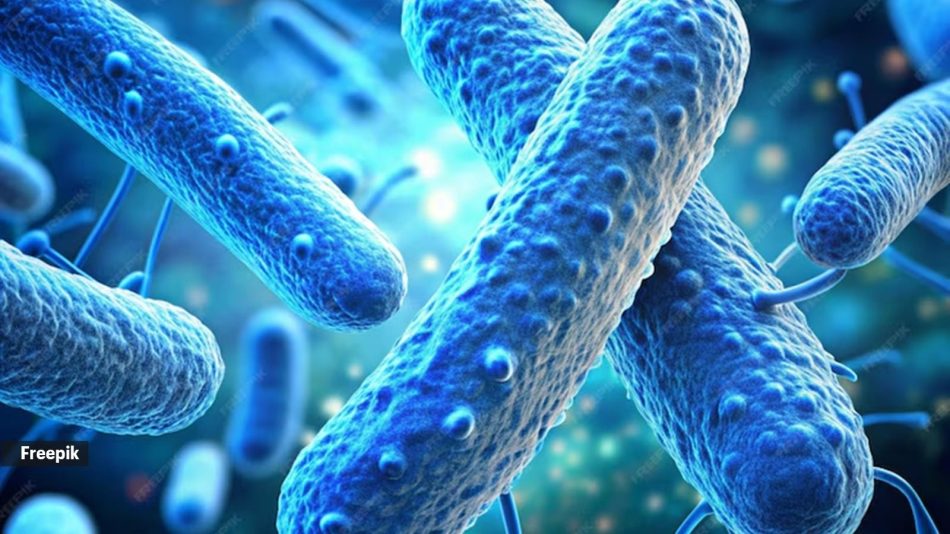
New TB research: IIT Bombay and Kolkata scientists detect how bacteria hide, adapt and survive
Tuberculosis (TB) remains a significant global health challenge, affecting millions of people each year. Recent research conducted by scientists from the Indian Institute of Technology (IIT) Bombay and Kolkata has shed light on the mechanisms that allow the TB bacteria to evade the immune system and develop drug resistance. This groundbreaking study could pave the way for new diagnostic and treatment strategies against TB.
Understanding Tuberculosis
Tuberculosis is caused by the bacterium Mycobacterium tuberculosis (Mtb). It primarily affects the lungs but can also impact other parts of the body. The World Health Organization (WHO) estimates that in 2021, there were approximately 10.6 million new TB cases globally, with 1.6 million deaths attributed to the disease. The rise of drug-resistant TB strains has further complicated treatment efforts, making research into the bacteria’s survival tactics crucial.
The Research Team and Their Findings
The collaborative research effort involved experts from IIT Bombay and Kolkata, who focused on the lipid membrane of the TB bacteria. Their study revealed how Mtb modifies its lipid composition to adapt to hostile environments, such as the human immune response and antibiotic treatments.
Key Discoveries
- Lipid Composition: The researchers found that Mtb alters its lipid membrane composition to create a protective barrier against antibiotics and immune cells.
- Survival Mechanisms: The study identified specific lipids that play a crucial role in the bacteria’s ability to survive under stress, including exposure to drugs and the host’s immune response.
- Drug Resistance: By understanding how Mtb adapts its lipid membrane, the researchers hope to develop strategies to counteract drug resistance.
Significance of the Research
This research is significant for several reasons:
1. Improved Diagnostics
By identifying the specific lipid changes associated with drug resistance, this study could lead to the development of new diagnostic tests. These tests could quickly determine the resistance profile of TB strains, allowing for more effective treatment plans tailored to individual patients.
2. New Treatment Approaches
The findings could inspire novel therapeutic strategies that target the lipid composition of Mtb. By disrupting the bacteria’s ability to modify its membrane, it may be possible to enhance the efficacy of existing antibiotics or develop new ones.
3. Understanding Pathogenesis
The study enhances our understanding of how Mtb interacts with the human immune system. This knowledge is vital for developing vaccines and other preventive measures against TB.
Future Directions
Building on these findings, the research team plans to further investigate the specific pathways involved in lipid modification. Future studies may focus on:
- Exploring the genetic basis of lipid biosynthesis in Mtb.
- Investigating the role of environmental factors in lipid composition changes.
- Testing potential drug candidates that target lipid metabolism in TB bacteria.
The Global Impact of TB Research
The implications of this research extend beyond India. TB is a global health issue, and understanding the mechanisms of drug resistance can have a profound impact on public health worldwide. The findings can contribute to international efforts to combat TB, especially in regions where the disease is endemic.
Collaboration and Funding
This research was made possible through collaboration between various institutions and funding from governmental and non-governmental organizations dedicated to fighting infectious diseases. Collaborative efforts are crucial in tackling complex health challenges like TB, as they bring together diverse expertise and resources.
Conclusion
The research conducted by IIT Bombay and Kolkata scientists marks a significant step forward in understanding how Mycobacterium tuberculosis survives and adapts in the human body. By uncovering the mechanisms behind lipid modification and drug resistance, this study opens new avenues for diagnostics and treatment strategies. Continued research in this area is essential for combating TB and improving health outcomes for millions of people worldwide.
Note: The information presented in this article is based on recent research findings and is intended for educational purposes. For more detailed information, refer to scientific publications and health organizations.