IIT Placement Data Reveals Declining Trends, Raises Concerns Over Job Market
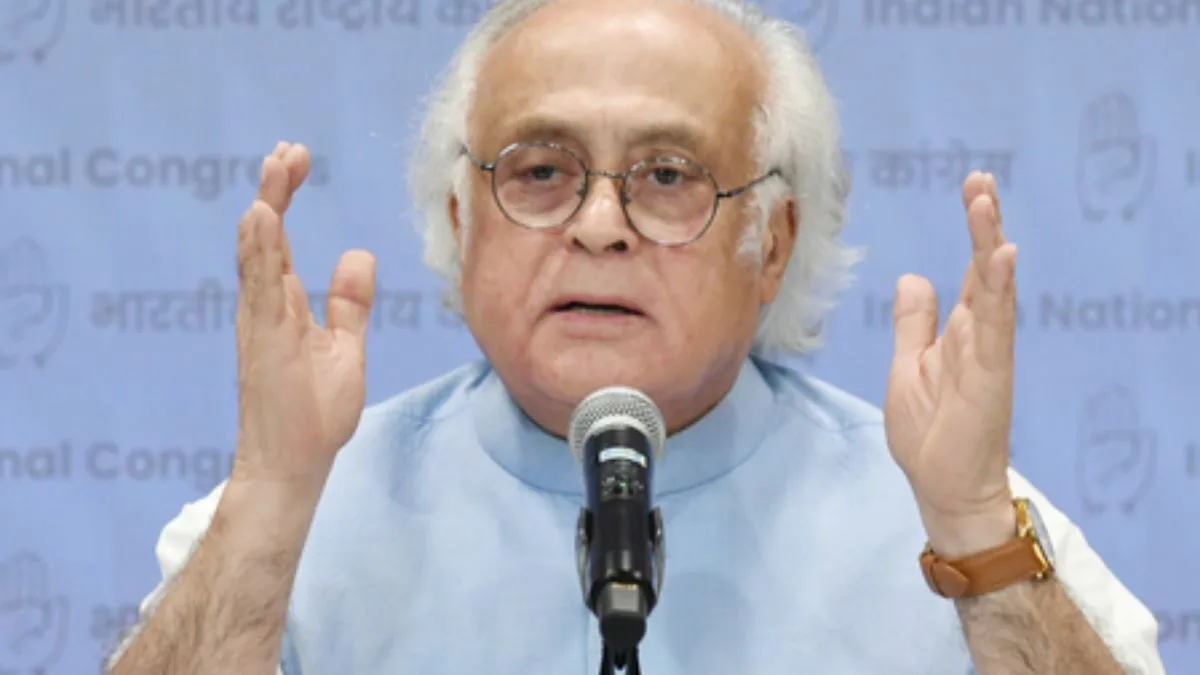
On November 10, 2025, Congress leader Jairam Ramesh expressed serious concerns regarding the declining placement rates and salary packages of graduates from the Indian Institutes of Technology (IITs). In a statement shared on social media platform X, he highlighted the alarming situation faced by students from some of India’s most prestigious educational institutions.
Key Findings from the Placement Data
Recent unpublished data from the Modi government indicates a troubling trend in the job market for IIT graduates. The findings are as follows:
- Oldest IITs: The seven oldest IITs experienced an 11-percentage point decline in placements and a decrease of ₹0.2 lakh in average salary packages.
- Next Eight IITs: The subsequent eight IITs saw a 9-percentage point decline in placements, coupled with a ₹2.2 lakh drop in average salary.
- Newest IITs: The eight newest IITs reported a 7.3-percentage point decline in placements and a ₹1 lakh reduction in average salary.
Underlying Causes of the Decline
Experts attribute these declines to a combination of factors that reflect changing market dynamics:
- AI-led Disruptions: The rise of artificial intelligence and automation has significantly altered the job landscape, leading to uncertainty in hiring practices.
- Market Uncertainty: Major companies have been undergoing layoffs, contributing to an unpredictable job market that affects recruitment.
- High Student Expectations: Graduates from IITs often have elevated salary expectations, which may not align with the current market conditions.
Impact on Graduates
The implications of these trends are profound for IIT graduates. With the prestigious reputation of these institutions, students typically anticipate lucrative job offers upon graduation. However, the declining placement rates and salary packages have raised concerns about:
- Job Security: Graduates are facing a more competitive environment with fewer job opportunities.
- Financial Stability: The decrease in average salary packages may lead to financial strain for new graduates, especially those with student loans.
- Career Choices: With fewer opportunities in traditional sectors, graduates may need to consider alternative career paths or entrepreneurship.
Responses from Educational Institutions
In light of these challenges, educational institutions are being urged to adapt their curricula and support systems to better prepare students for the evolving job market. A professor from IIT Indore commented, “The job market itself has become uncertain with AI-related disruptions and layoffs in major companies.” This sentiment echoes the need for educational reforms that align more closely with industry demands.
Political Reactions
The declining placement data has not only sparked concern among students and educators but has also become a point of political contention. Jairam Ramesh’s comments reflect a broader critique of the government’s handling of the employment crisis, emphasizing the need for effective policies to address mass unemployment and wage stagnation.
Future Outlook
As the job market continues to evolve, it is crucial for both educational institutions and policymakers to take proactive measures to support graduates. Some potential strategies include:
- Industry Collaboration: Strengthening partnerships between educational institutions and industries to ensure curricula remain relevant.
- Skill Development Programs: Implementing programs that focus on emerging technologies and soft skills to enhance employability.
- Career Counseling: Providing robust career guidance services to help students navigate the changing job landscape.
Conclusion
The declining placement rates and salary packages for IIT graduates signal a significant shift in the job market that warrants immediate attention. As the landscape becomes increasingly competitive and influenced by technological advancements, it is imperative for educational institutions and policymakers to collaborate in creating a supportive environment for future graduates.
Note: The information presented in this article is based on unpublished data and expert opinions as of November 2025.