IIT Guwahati Develops Material To Detect Fuel Adulteration And Clean Oil Spills
On November 10, 2025, researchers at the Indian Institute of Technology (IIT) Guwahati announced a significant breakthrough in the detection of fuel adulteration and the cleanup of oil spills. This innovative development could have far-reaching implications for environmental protection and fuel safety.
Research Overview
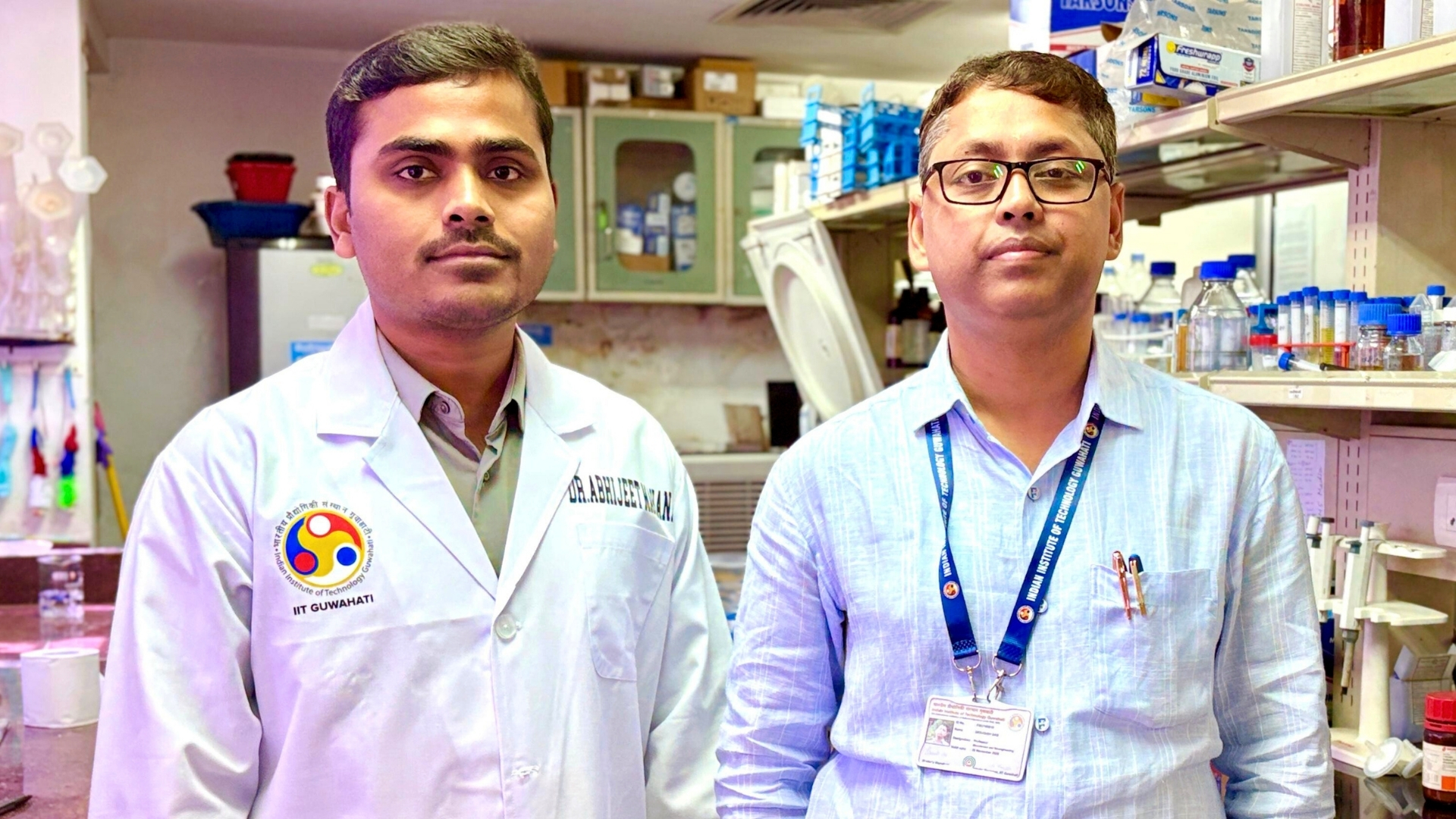
The research, published in the journal Chemical Engineering, was spearheaded by Professor Gopal Das from the Department of Chemistry, along with research scholars Rubi Moral and Oiyao Appun Pegu. The team created a novel material known as Phase-Selective Organogelator (PSOG). This material is capable of detecting kerosene adulteration in petrol and selectively removing oils from water.
How the PSOG Works
The PSOG operates through a self-assembly process that traps oils such as kerosene and diesel, forming semi-solid gels. These gels can be easily removed from water, minimizing the risk of contamination. This method represents a significant advancement over traditional cleanup techniques, which often lead to secondary pollution.
Environmental Impact of Oil Spills
Oil spills pose a severe threat to the environment, affecting marine life, coastlines, and local economies. According to the Oil Tanker Spill Statistics 2024, approximately 10,000 tons of oil were spilled into oceans and seas globally last year. Existing cleanup methods, including chemical absorbents and burning, can exacerbate pollution issues.
Advantages of the PSOG
Professor Das highlighted the advantages of the PSOG, stating, “Our PSOG selectively forms gels in the presence of specific oils such as kerosene and diesel, which could help target particular oil types in complex mixtures.” This targeted approach could lead to new methods in water remediation and fuel adulteration detection.
Addressing Fuel Adulteration in India
Fuel adulteration, particularly kerosene mixed with petrol, is a persistent issue in India, especially among low-income households. This dangerous mixture is highly flammable and has been linked to numerous stove explosion accidents across the country. The IIT Guwahati team aims to expand their research to detect other types of fuel adulteration and enhance the efficiency of their material.
Future Directions
The researchers are optimistic about the potential applications of their findings. By refining the PSOG and exploring its capabilities, they hope to develop a comprehensive solution for detecting fuel adulteration and addressing oil spills more effectively.
Potential Applications
- Detection of various types of fuel adulteration.
- Improved methods for oil spill cleanup.
- Enhanced safety measures for households using kerosene.
- Broader environmental protection initiatives.
Conclusion
The development of the PSOG by IIT Guwahati marks a significant step forward in both environmental science and fuel safety. As researchers continue to refine this material, it holds the promise of addressing critical issues related to fuel adulteration and oil spills, ultimately contributing to a safer and cleaner environment.
Note: This article is based on research findings and news reports as of November 2025.