IIT Guwahati Scientists Report Low-Cost Method for Removing Lead from Water
Researchers at the Indian Institute of Technology (IIT) Guwahati have developed a groundbreaking natural technique for removing lead from contaminated water. This innovative method utilizes cyanobacteria and presents a low-cost and sustainable alternative to conventional water treatment processes.
The Issue of Lead Contamination
Lead contamination is a significant global environmental concern, affecting an estimated 800 million children worldwide, including nearly 275 million in India alone. Lead typically enters water sources through various means, such as:
- Industrial discharge
- Agricultural runoff
- Aging pipelines
Once introduced into the environment, lead can persist for decades and poses serious health risks. Exposure to lead is linked to numerous health issues, including:
- Neurological disorders
- Cardiovascular problems
- Kidney damage
- Developmental disorders in children
The Innovative Solution
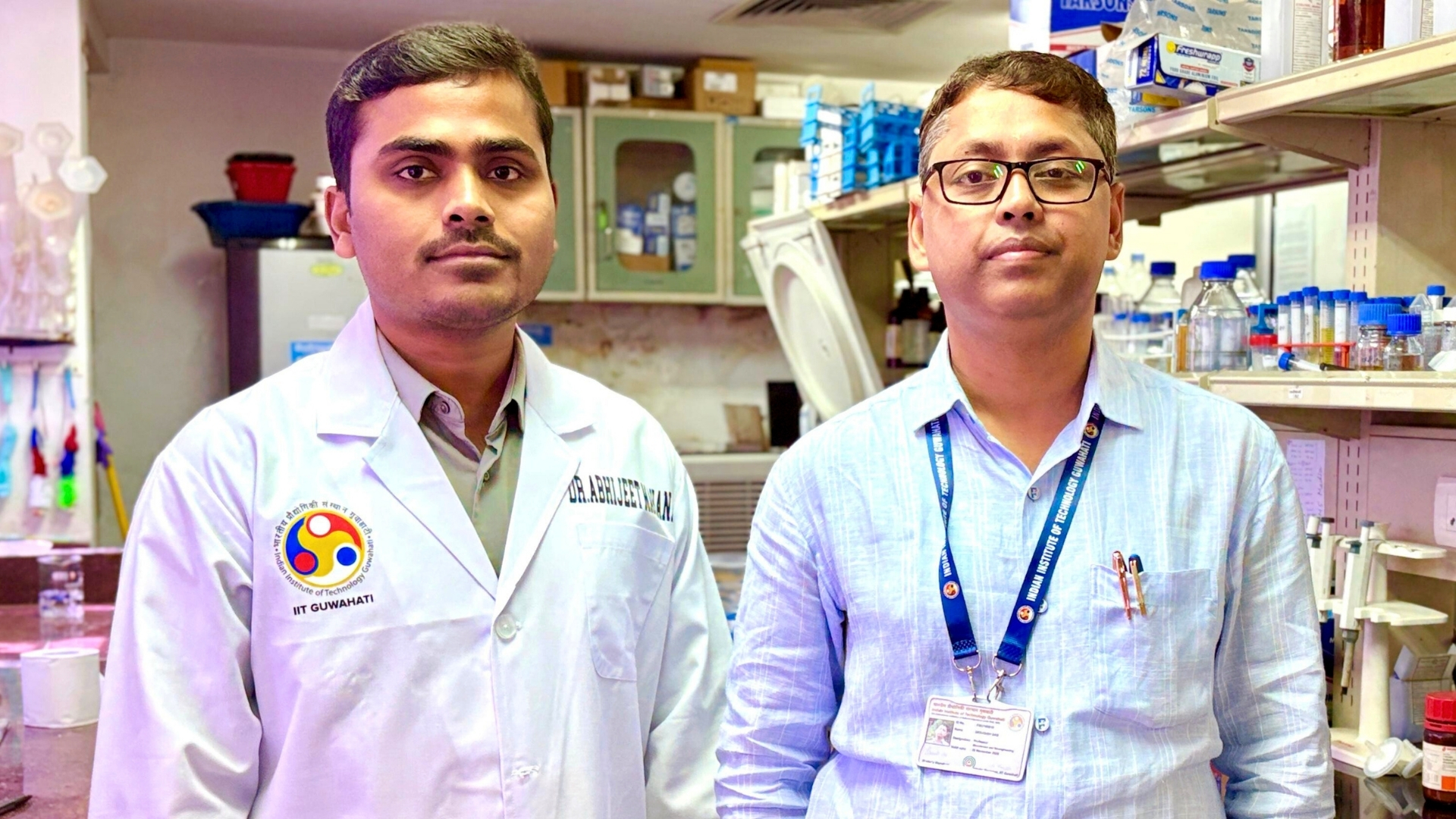
The IIT Guwahati research team, led by Professor Debasish Das from the Department of Biosciences and Bioengineering, alongside postdoctoral researcher Dr. Abhijeet Mahana and Professor Tapas K. Mandal from the Department of Chemical Engineering, focused on a photosynthetic cyanobacterial species known as Phormidium corium NRMC-50.
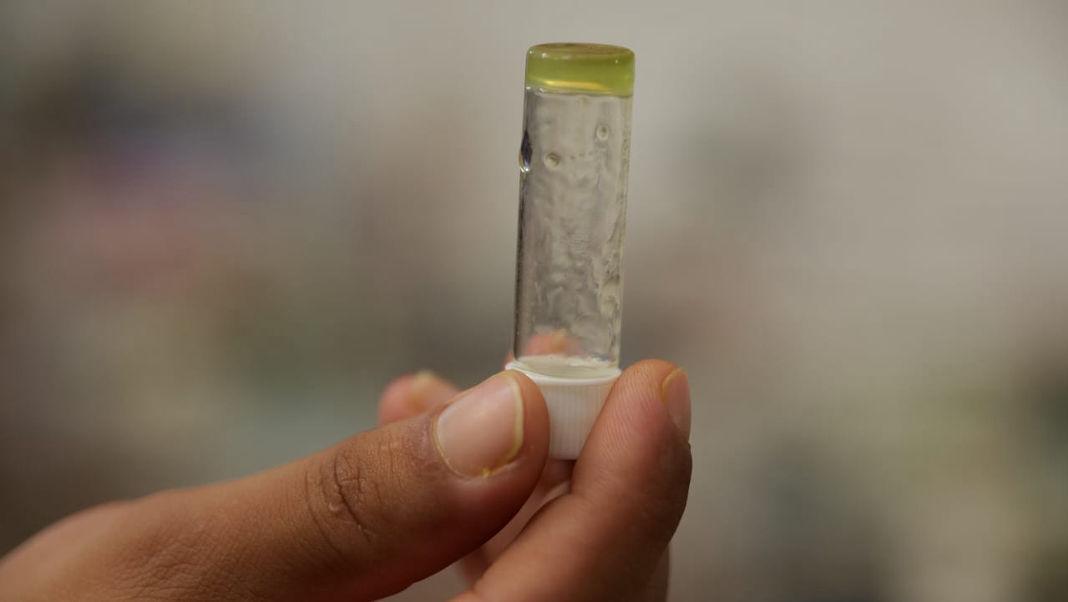
Through their study, published in the Journal of Hazardous Materials, the researchers examined various components of this microorganism to determine which were most effective in binding and removing lead from water. The results were promising, showing that the exopolysaccharides (EPS) extracted from the cyanobacteria were able to remove up to 92.5% of lead from contaminated water.
Cost-Effectiveness and Sustainability
Professor Das emphasized that this new method requires minimal energy and infrastructure, making it significantly cheaper than existing water treatment technologies. Preliminary estimates indicate that the overall cost of treatment using this method is approximately 40-60% lower than conventional techniques, while maintaining comparable or even superior efficiency in metal removal.
Moreover, cyanobacteria have the ability to absorb a wide range of pollutants, including:
- Pesticides
- Herbicides
- Hydrocarbons
- Dyes
- Industrial chemicals
The metals captured by these organisms can be recovered and transformed into useful products such as biochar, bioplastics, or biofuels. This self-replicating microorganism requires only sunlight, carbon dioxide, and limited nutrients, making it a promising alternative to synthetic adsorbents.
Future Directions
The next phase of the research project will focus on scaling the process from laboratory conditions to pilot-scale systems. This will involve testing the method in real wastewater environments to validate its effectiveness and practicality for broader application.
It is important to note that the research is still in the experimental stage and will require further validation before any commercial deployment can take place.
Conclusion
The development of this low-cost method for removing lead from water by IIT Guwahati scientists represents a significant advancement in environmental science and public health. With the potential to address one of the most pressing environmental issues of our time, this innovative approach could pave the way for more sustainable water treatment solutions in the future.
Note: The information provided in this article is based on research findings and is intended for educational purposes. Further validation and testing are necessary before implementation in real-world scenarios.