From missing data to meaningful impact: IIT Gandhinagar PhD scholar wins national recognition for water and climate research
IIT Gandhinagar PhD Scholar Wins National Recognition for Water and Climate Research
The intersection of water resources and climate change is a critical area of research, especially in a world facing increasing environmental challenges. Recognizing the importance of this field, a PhD scholar from the Indian Institute of Technology (IIT) Gandhinagar has made significant strides in addressing these issues. This article explores the scholar’s groundbreaking research, the recognition received, and the implications for future water resource management.
The Scholar’s Journey
The journey of the PhD scholar, who wishes to remain anonymous, began with a keen interest in environmental science and engineering. Enrolling at IIT Gandhinagar, the scholar was determined to tackle the pressing issues surrounding water scarcity and climate change. The research focused on the impact of climate variability on water resources, particularly in regions that are vulnerable to extreme weather events.
Research Focus
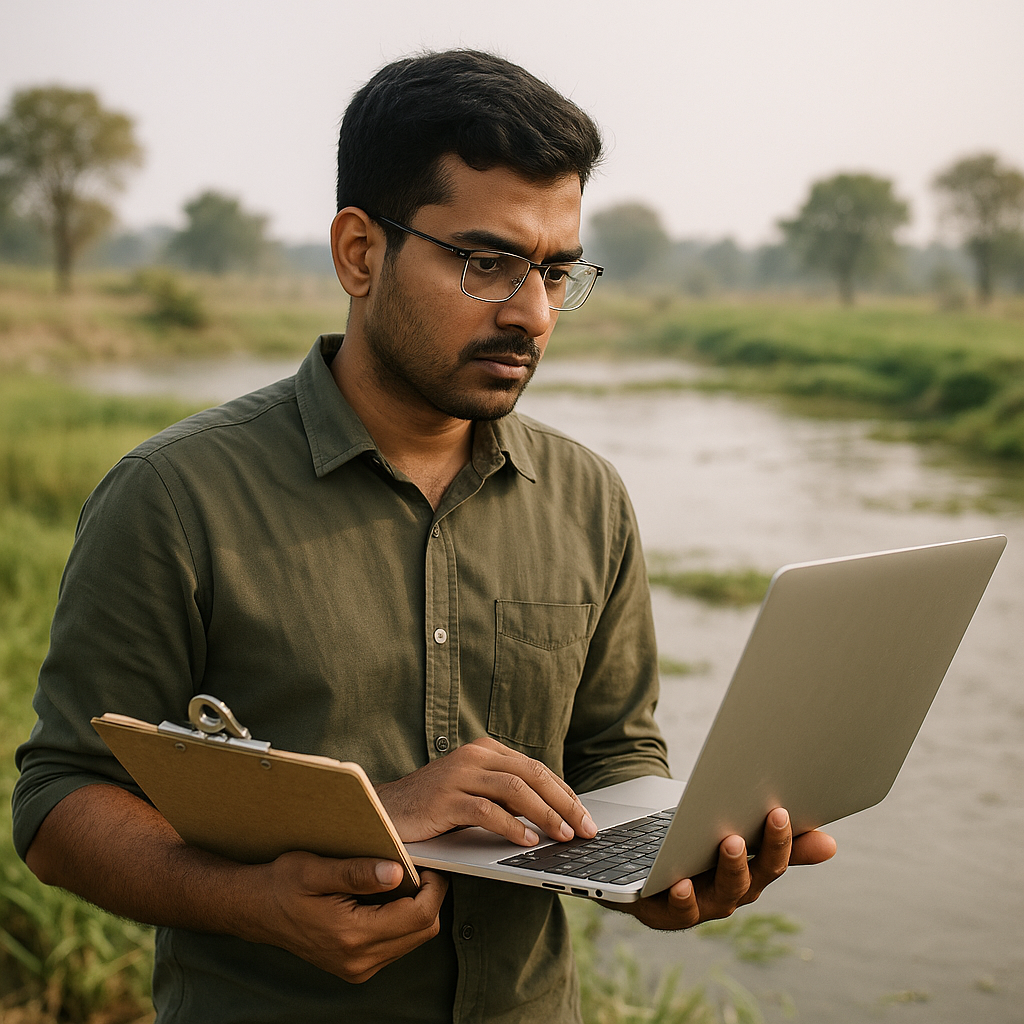
The scholar’s research aimed to fill the gaps in data regarding water availability and quality in the context of climate change. The study involved extensive fieldwork, data collection, and analysis, focusing on the following key areas:
- Climate Variability: Understanding how changing climate patterns affect precipitation and temperature, which in turn influence water resources.
- Water Quality Assessment: Evaluating the impact of climate change on the quality of water sources, including rivers, lakes, and groundwater.
- Policy Recommendations: Developing actionable strategies for policymakers to manage water resources sustainably in light of climate change.
Methodology
The scholar employed a multi-faceted approach to research, which included:
- Field Surveys: Conducting surveys in various regions to gather data on local water sources and their conditions.
- Data Analysis: Utilizing statistical tools and models to analyze the collected data and draw meaningful conclusions.
- Collaboration: Working with local communities and government agencies to ensure that the research was grounded in real-world challenges.
National Recognition
As a result of the impactful research, the scholar received national recognition from various academic and environmental organizations. This accolade not only highlights the importance of the research but also emphasizes the need for continued focus on water and climate issues in India and beyond.
Implications of the Research
The findings of the research have far-reaching implications for water resource management in the context of climate change. Some of the key implications include:
- Informed Policy Making: The research provides a solid foundation for policymakers to develop strategies that address water scarcity and quality issues exacerbated by climate change.
- Community Engagement: The emphasis on collaboration with local communities ensures that the solutions proposed are practical and culturally relevant.
- Future Research Directions: The study opens up avenues for further research, particularly in under-researched areas that are vulnerable to climate impacts.
Challenges Faced
Despite the success, the scholar faced numerous challenges throughout the research process. Some of these challenges included:
- Data Limitations: Accessing reliable data in certain regions proved difficult, necessitating innovative data collection methods.
- Fieldwork Conditions: Conducting field surveys in remote areas often involved logistical challenges and safety concerns.
- Interdisciplinary Nature: Bridging the gap between environmental science, engineering, and policy required a diverse skill set and collaboration with experts from various fields.
The Future of Water and Climate Research
Looking ahead, the scholar aims to continue research in this vital area, focusing on the following aspects:
- Innovative Technologies: Exploring the use of technology, such as remote sensing and artificial intelligence, to enhance data collection and analysis.
- Global Collaborations: Engaging with international researchers to share knowledge and best practices in water resource management.
- Public Awareness: Raising awareness about the importance of sustainable water management practices among the general public and stakeholders.
Conclusion
The recognition of the IIT Gandhinagar PhD scholar underscores the importance of research in addressing the challenges posed by climate change to water resources. By focusing on data-driven solutions and community engagement, the scholar’s work not only contributes to academic knowledge but also has the potential to create meaningful impact in the field of water management. As the world grapples with the consequences of climate change, such research will be crucial in ensuring sustainable water resources for future generations.
Note: The information presented in this article is based on the research conducted by the IIT Gandhinagar PhD scholar and aims to highlight the significance of their contributions to the field of water and climate research.