Seismic microzonation vital for safe cities: IIT Indore Professor
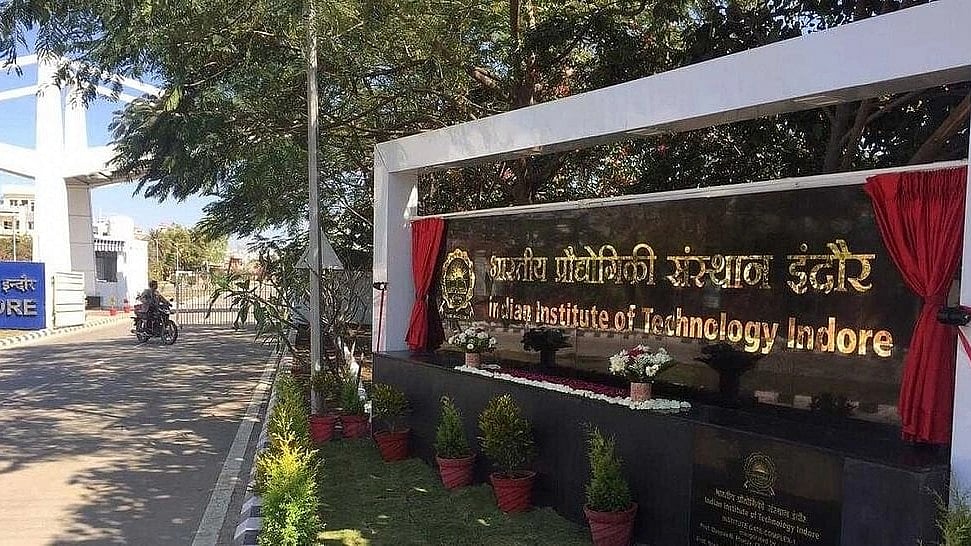
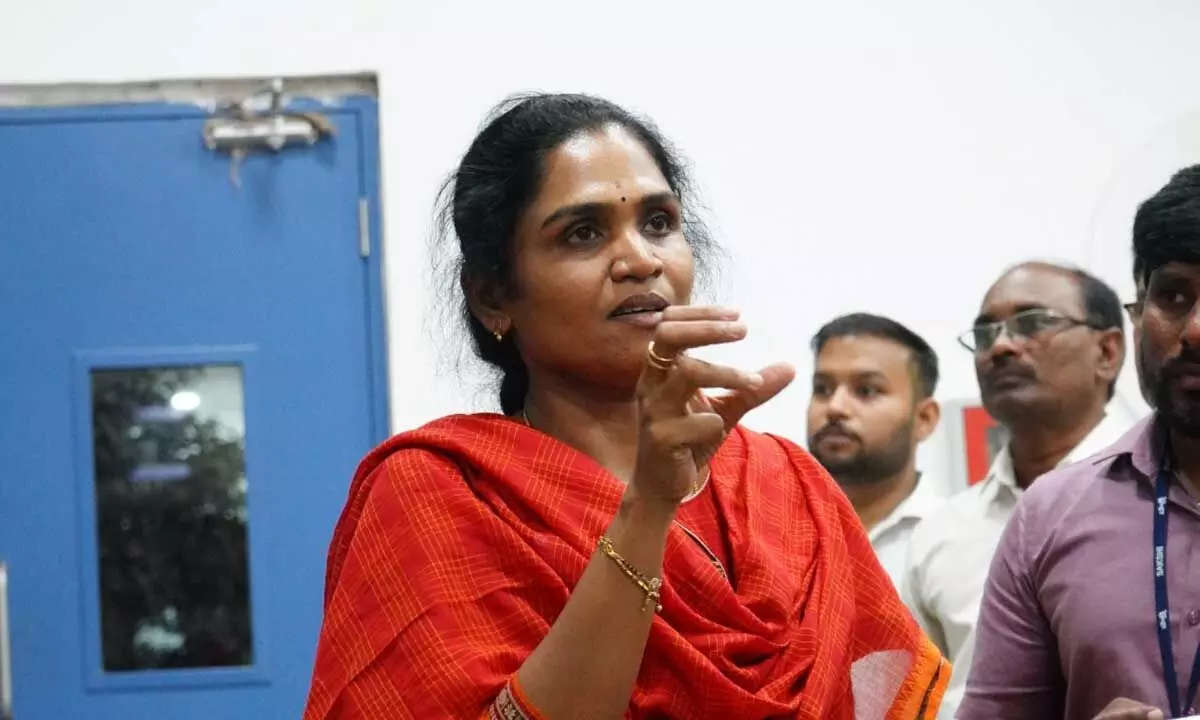
In an era of rapid urbanization, the importance of earthquake-resilient urban planning cannot be overstated. Professor Neelima Satyam Devarakonda, Institute Chair Professor of Civil Engineering at the Indian Institute of Technology (IIT) Indore, has emphasized the critical role of seismic microzonation in ensuring the safety of urban centers such as Vijayawada and Visakhapatnam. During a recent media delegation organized by the Press Information Bureau, she presented compelling arguments for the implementation of detailed seismic studies in these rapidly growing cities.
Understanding Seismic Microzonation
Seismic microzonation refers to the process of assessing and mapping the varying levels of seismic hazard across different areas of a city. This involves detailed studies of the ground behavior during earthquakes, which can significantly differ even over short distances. By understanding these variations, urban planners and engineers can develop tailored building codes and design guidelines that enhance structural safety from the foundation stage onward.
The Role of IIT Indore’s GeoHazards Research Laboratory
Under the leadership of Professor Devarakonda, the GeoHazards Research Laboratory at IIT Indore has been at the forefront of advanced studies in seismic hazard assessment, landslide monitoring, debris flow modeling, and sustainable coastal protection. The lab’s impressive track record includes the publication of 146 research papers in esteemed international journals and the securing of six patents, showcasing its pioneering contributions to disaster-resilient infrastructure.
Research Focus Areas
- Seismic hazard analyses
- Site response studies
- Landslide monitoring
- Debris flow modeling
- Sustainable coastal protection
Findings from Vijayawada and Visakhapatnam
Professor Devarakonda’s team has conducted comprehensive seismic hazard analyses and site response studies specifically for Vijayawada and Visakhapatnam. Their research integrates geological, geotechnical, and seismic data, revealing critical insights into the vulnerabilities of these urban areas.
Vulnerability to Soil Liquefaction
In Vijayawada, certain regions, particularly those located near reservoirs, have been identified as susceptible to soil liquefaction during strong seismic events. Soil liquefaction occurs when saturated soil substantially loses strength and stiffness due to applied stress, often leading to catastrophic structural failures.
Influence of Stratigraphy in Visakhapatnam
In Visakhapatnam, the research has shown that the stratigraphy of sand, silt, and gravel layers plays a significant role in influencing site response. These geological characteristics can amplify ground shaking during earthquakes, making it essential for urban planners to consider them in their designs.
The Importance of Risk-Sensitive Development
While earthquakes cannot be predicted or prevented, Professor Devarakonda emphasizes that risk-sensitive development is crucial for minimizing potential damage. Urban planners, construction firms, and infrastructure developers must adopt location-specific design codes and safety measures tailored to their unique contexts.
Recommendations for Earthquake-Resistant Infrastructure
The research team at IIT Indore has provided scientific recommendations aimed at enhancing the resilience of urban infrastructure. These include:
- Designing earthquake-resistant foundations
- Implementing resilient infrastructure practices
- Promoting risk-informed urban planning
Addressing Rainfall-Induced Failures
The research conducted by Professor Devarakonda’s team extends beyond seismic activity. They are also investigating rainfall-induced slope failures and soil instability. By integrating soil water pressure measurements, moisture variations, and physics-based mechanical models, the team has developed early warning systems that can better predict conditions leading to failures.
Supporting Sustainable Infrastructure and Smart City Development
The ultimate goal of these studies is to support sustainable infrastructure and smart city development across India. By linking geotechnical engineering with policy frameworks, construction standards, and real-time monitoring systems, the IIT Indore GeoHazards Lab is actively contributing to creating safer and more resilient urban environments.
A Call to Action
Professor Devarakonda concludes her insights by stressing that seismic microzonation is not merely an academic exercise but a practical necessity for cities like Vijayawada and Visakhapatnam. The rapid pace of urbanization and the unique geological conditions of these areas demand scientifically informed planning to ensure the safety and resilience of urban infrastructure.
Conclusion
In summary, the work being done at IIT Indore underlines the essential nature of seismic microzonation in the context of urban planning. As cities continue to grow and evolve, the integration of scientific research into practical applications will be vital in safeguarding urban populations against the inevitable risks posed by natural disasters.
Note: The insights presented in this article are based on the research and findings from Professor Neelima Satyam Devarakonda and her team at IIT Indore.