Scientists at IIT-D and AIIMS Develop Swallowable Microdevice for Microbiome Study
On December 26, 2025, researchers from the Indian Institute of Technology (IIT) Delhi and the All India Institute of Medical Sciences (AIIMS) announced a groundbreaking development in the field of microbiome research. They have created an innovative ingestible microdevice that can sample bacteria directly from the small intestine, significantly advancing our understanding of the human gut microbiome.
The Importance of the Gut Microbiome
The human gut microbiome consists of trillions of microorganisms, including bacteria, viruses, fungi, and other microbes that play a crucial role in digestion, metabolism, and overall health. Understanding these microbes is essential for diagnosing and treating various health conditions, including obesity, diabetes, and gastrointestinal diseases.
Current Limitations in Microbiome Research
Traditionally, researchers have relied on invasive methods such as endoscopy or ileostomy to obtain samples from the gut. Alternatively, stool samples have been used, but these do not accurately reflect the microbial composition in the upper gastrointestinal (GI) tract. This gap in research has limited our understanding of the microbiome’s role in health and disease.
The Innovative Microdevice
The newly developed microdevice represents a significant advancement over existing tools. According to Prof. Sarvesh Kumar Srivastava, Principal Investigator at the Medical Microdevices and Medicine Laboratory (3MLab) at IIT Delhi, “We need miniaturized devices to explore the inner space of the human body.”
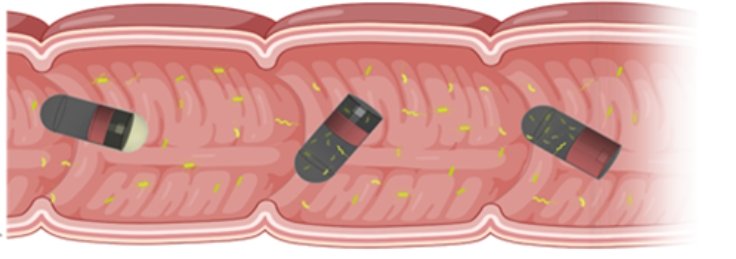
The prototype microdevice is approximately the size of a grain of rice and is designed to be swallowed. Once ingested, it autonomously collects microbes from specific regions of the upper GI tract. The device remains sealed in the stomach and only opens in the intestine to gather bacterial samples. After collection, it seals itself again to protect the sample as it moves through the gut.
Validation and Future Prospects
The research team has already filed for a patent and successfully validated their gut-sampling technology in an animal model. The next steps involve advancing this innovative platform to assist Indian patients in clinical settings, pending necessary regulatory approvals.
Co-senior author Dr. Samagra Agarwal from the Department of Gastroenterology and Human Nutrition Unit at AIIMS New Delhi emphasized the significance of this research: “The small intestine plays a crucial role in health and disease. Understanding the microbes and chemicals being released there could be key to early disease detection, monitoring of chronic diseases, and developing more targeted treatments.”
Funding and Support
This pioneering project is funded by the Indian Council of Medical Research (ICMR), which aims to support innovative research that can lead to improved healthcare solutions in India.
Potential Impact on Healthcare
The implications of this swallowable microdevice are vast. By providing a more accurate and less invasive means of studying the gut microbiome, it could lead to:
- Enhanced understanding of gastrointestinal diseases.
- Improved diagnostics and early detection of health issues.
- More personalized treatment options based on individual microbiome profiles.
- Insights into the relationship between gut health and systemic diseases.
Conclusion
The development of this swallowable microdevice marks a significant milestone in microbiome research. By bridging the gap between invasive procedures and non-invasive stool testing, this technology opens new avenues for understanding human health and disease. As researchers continue to refine this technology and seek regulatory approval, the potential benefits for patients and healthcare providers are immense.
Note: The information presented in this article is based on the latest research and developments as of December 2025. Future advancements may further enhance our understanding of the gut microbiome and its implications for health.