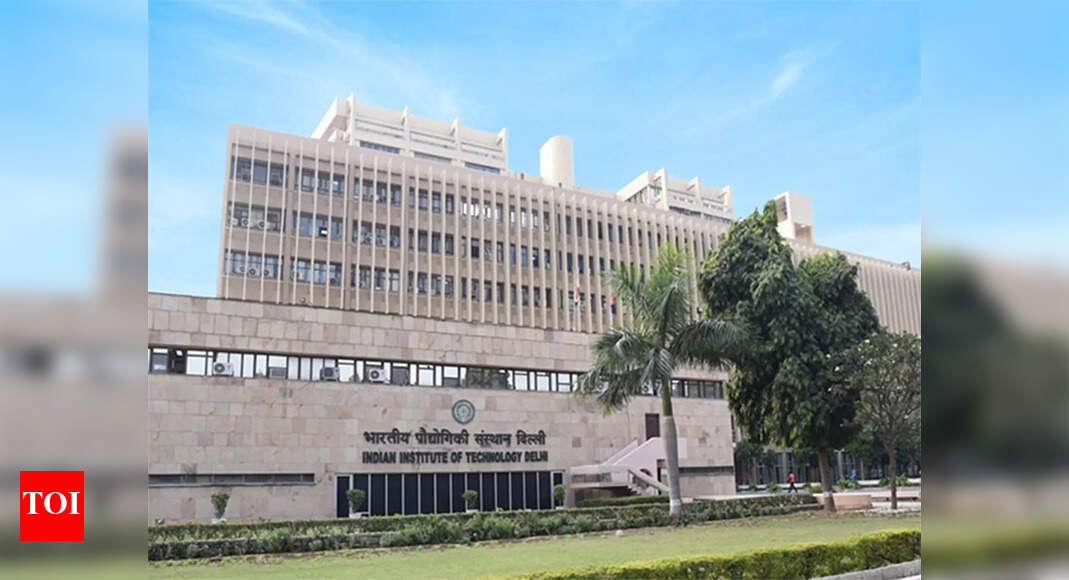
QS Asia University Rankings 2026: 7 Indian Universities Among Top 100
India has made significant strides in the QS Asia University Rankings 2026, with seven of its universities securing positions in the top 100. The Indian Institute of Technology (IIT) Delhi leads the pack, showcasing the country’s growing academic reputation and research capabilities. However, challenges remain in areas such as internationalization and faculty resources.
Overview of the Rankings
The QS Asia University Rankings is an annual assessment that evaluates universities across Asia based on various criteria, including academic reputation, employer reputation, faculty/student ratio, and research impact. The 2026 rankings highlight India’s progress in higher education, particularly through its prestigious IITs.
Top 7 Indian Institutions in the Rankings
The following seven Indian universities have made it to the top 100 in the QS Asia University Rankings 2026:
- 59th: IIT Delhi – Score: 78.6
- 64th: IISc Bangalore – Score: 76.5
- 70th: IIT Madras – Score: 75.1
- 71st: IIT Bombay – Score: 75.0
- 77th: IIT Kanpur – Score: 73.4
- 79th: IIT Kharagpur – Score: 73.5
- 100th: University of Delhi – Score: 68.5
IIT Delhi: Leading the Way
IIT Delhi has emerged as India’s top-ranked institution in Asia, placing 59th overall. The institute’s strong performance is attributed to its impressive research impact and employer reputation, which are crucial factors in global university rankings. Experts attribute IIT Delhi’s success to its increasing global collaborations, a steady rise in publication output, and a strong focus on innovation-led disciplines.
Strong Presence of IITs
Five IITs have secured positions within the top 100, underscoring India’s strength in engineering and technology education. Alongside IIT Delhi, the Indian Institute of Science (IISc) Bangalore stands out as the leading science research institution in India, ranked 64th with a score of 76.5, driven by high citation rates and academic standing.
A Broader Representation Beyond IITs
The inclusion of the University of Delhi in the top 100 signifies a shift in India’s higher education landscape. This development indicates that India’s elite universities are no longer confined to science and engineering disciplines. Improvements in faculty qualifications, research diversity, and academic reputation across larger public universities are contributing to this broader representation.
Top 10 Asian Universities
The QS Asia University Rankings 2026 also reveal the dominance of universities from Hong Kong, China, and Singapore at the top. The top 10 universities are as follows:
- The University of Hong Kong
- Peking University
- National University of Singapore (NUS)
- Nanyang Technological University (NTU)
- Fudan University
- Hong Kong University of Science and Technology (HKUST)
- Chinese University of Hong Kong (CUHK)
- City University of Hong Kong (CityU)
- Tsinghua University
- Polytechnic University of Hong Kong (PolyU)
Areas for Improvement
Despite the encouraging performance of Indian universities, there are still critical areas that require attention:
- Narrow Margin in Scores: IIT Delhi’s score of 78.6 is still lower than many leading Asian universities, which often score in the mid-80s to 90s.
- Internationalization: Indian institutions generally have low ratios of foreign students and faculty, limiting their global visibility and learning diversity.
- Faculty Resources and Funding: The faculty-student ratios in Indian universities lag behind top Asian counterparts, indicating a need for greater investment in research infrastructure and talent retention.
- Concentrated Success: The fact that six of the seven top-100 entries are IITs suggests a slow progression for other universities to reach elite status.
Conclusion
India’s representation in the QS Asia University Rankings 2026 reflects a positive trend in higher education. While the performance of IITs is commendable, there is a pressing need for broader improvements across all universities to enhance their global standing.
Note: The QS Asia University Rankings are an important indicator of educational quality and reputation in the region, and ongoing efforts are essential for continued advancement.