Prof Rajaraman, ‘Pitamah’ of India’s Computer Science Education, Dies at 92
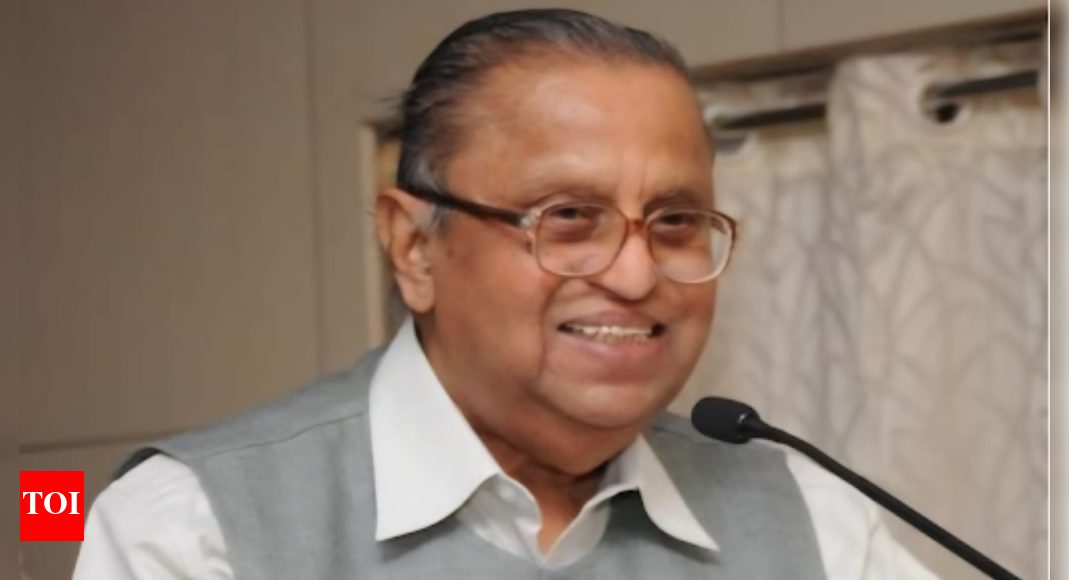
BENGALURU: Prof Vaidyeswaran Rajaraman, a revered figure in the field of computer science education in India, passed away on Saturday at the age of 92 due to age-related ailments. His contributions to the field have earned him the title of “Pitamah” or grandfather, reflecting his foundational role in shaping the landscape of computer science in the country.
Early Life and Education
Born in 1933, Prof Rajaraman dedicated over six decades to the advancement of computing in India. He began his academic journey at the Indian Institute of Science (IISc), where he was instrumental in building the first analogue computer, the PREDA (Philbrick-Rideout Electronic Differential Analyzer). His early work laid the groundwork for future innovations in computing technology.
Contributions to Computer Science Education
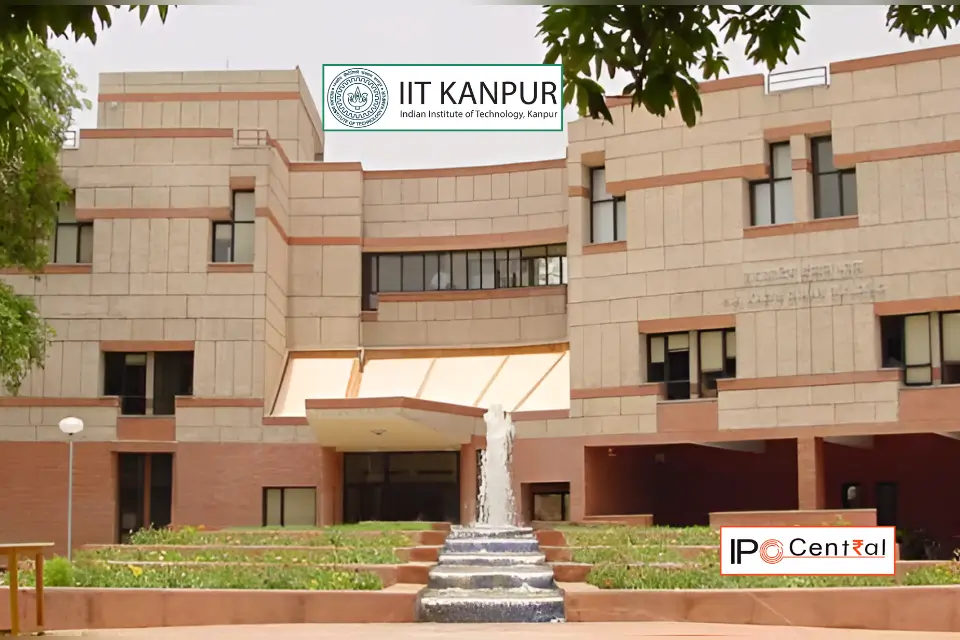
In 1965, Prof Rajaraman established India’s first formal academic program in computer science at the Indian Institute of Technology (IIT) Kanpur. This program was pivotal in nurturing a generation of computer scientists and engineers who would go on to play significant roles in the burgeoning IT industry. Notable alumni include:
- Faqir Chand Kohli – First CEO of Tata Consultancy Services (TCS)
- N. R. Narayana Murthy – Co-founder of Infosys
Murthy reflected on his time as a student, stating, “He was a scholar and a gentleman. He and his very kind wife, Dharma, were like guardians for every student in the Electrical Engineering department at IITK.” This mentorship was a hallmark of Prof Rajaraman’s teaching philosophy, where he was always available to guide and support his students.
Supercomputing and Research Initiatives
Prof Rajaraman served as the chairman of the Supercomputer Education and Research Centre (SERC) at IISc from 1982 to 1994. During this time, he was instrumental in developing India’s supercomputing and parallel computing capabilities, which empowered numerous research institutions with advanced computational resources. His visionary leadership led to the creation of the Master of Computer Applications (MCA) program, which addressed the critical human resource needs of the emerging IT sector.
Advocacy for Indigenous Technology
In 1987, he chaired a committee set up by the Science Advisory Council to the Prime Minister, where he advocated for the establishment of the Centre for the Development of Advanced Computing. This initiative aimed to develop indigenous supercomputers, further solidifying India’s position in the global technology landscape.
Transformative Impact on E-Governance
Prof Rajaraman’s influence extended beyond academia into public service and governance. As a member of Karnataka’s Technical Advisory Panel from 1985 to 2014, he played a crucial role in pioneering digital governance initiatives. His contributions included:
- The Bhoomi project for land registration
- The Kaveri project for property registration
These projects were among the first to leverage technology for improving government services, setting a precedent for e-governance in India.
A Legacy of Excellence
Throughout his career, Prof Rajaraman received numerous accolades for his contributions to science and technology. He was awarded the Shanti Swarup Bhatnagar Prize in 1976 and was honored with the Padma Bhushan in 1998, one of India’s highest civilian awards.
Remembering Prof Rajaraman
The news of Prof Rajaraman’s passing has left a profound impact on the academic and tech communities. Kris Gopalakrishnan, co-founder of Infosys, remarked, “Prof Rajaraman is the doyen of Indian computer science education. His textbooks have served as the first introduction to programming for many Indian students. We have lost a pioneer of the computer industry in India.”
Prof N Balakrishnan, a supercomputer expert, shared, “He is one of the great visionaries who thought of supercomputers when people didn’t know if it was spelt as one word or two. In computer education, there are no two opinions about his contributions at all. Above all, he was a great human being.” His legacy will continue to inspire future generations of computer scientists and engineers.
Prof Rajaraman is survived by his wife, Dharma Rajaraman, who stood by him throughout his illustrious career.
Note: The contributions of Prof Rajaraman have significantly shaped the trajectory of computer science education in India, and his legacy will be remembered for years to come.