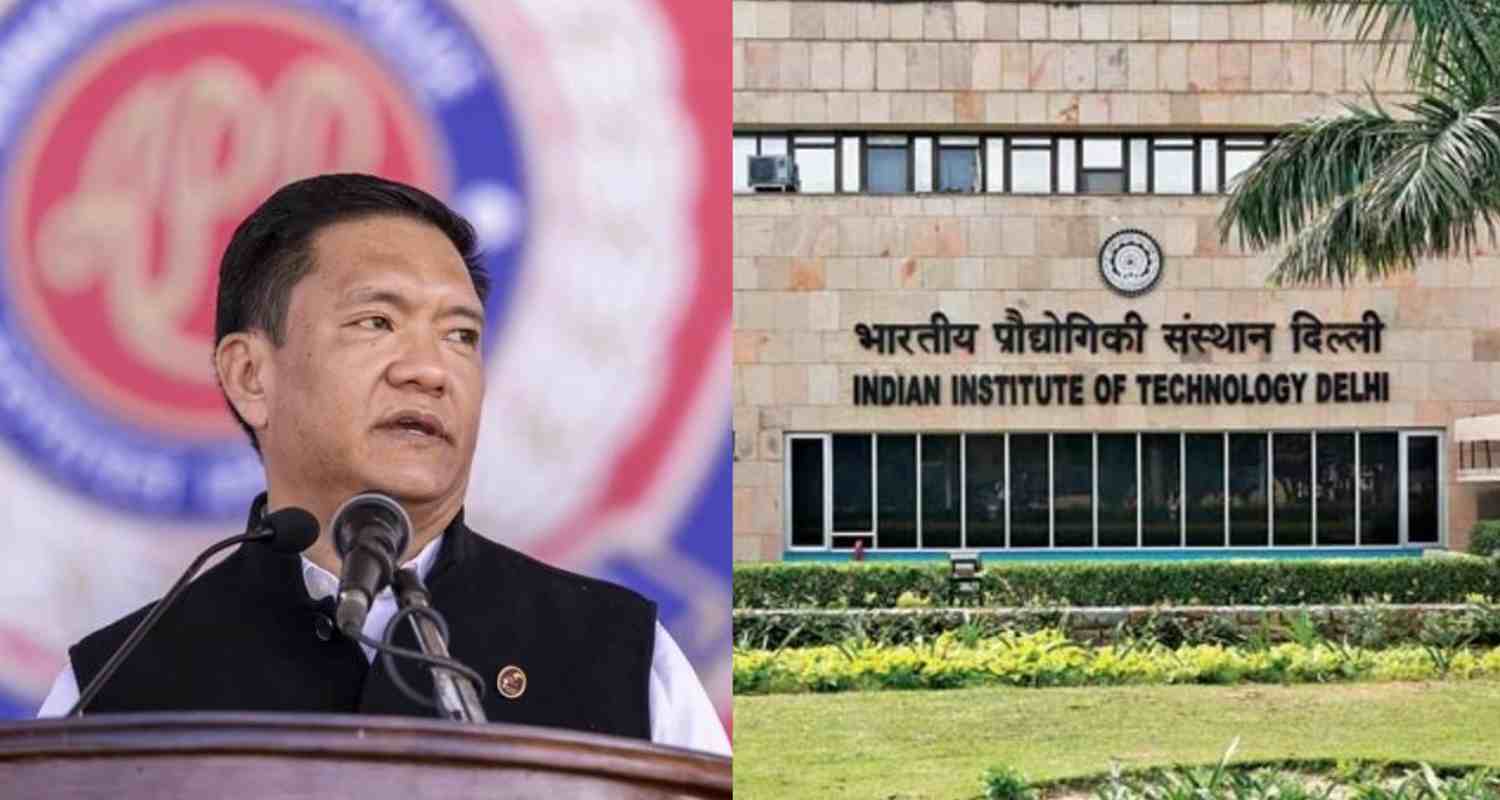
Panipat Gets Delhi IIT’s Green Textile Technology
In a significant development for the textile industry, the Indian Institute of Technology (IIT) Delhi has introduced innovative green textile technologies in Panipat. This initiative is part of a broader effort to promote sustainability and recycling in the textile sector, particularly focusing on high-performance materials.
Overview of the Initiative
The Atal Centre of Textile Recycling and Sustainability, led by IIT Delhi, has successfully transferred multiple technologies to industry partners. These technologies are aimed at recycling aramid waste, technical gloves, and even the national flag. The unveiling of these technologies took place during an event organized by the Punjab, Haryana, and Delhi Chamber of Commerce and Industry (PHDCCI) in Panipat.
Technologies Transferred
Among the key technologies transferred are:
- Recycling of Aramid Waste: Aramid fibers are high-performance materials used extensively in defense, aerospace, and protective textiles. The recycling methods developed by IIT Delhi aim to minimize waste and promote the reuse of these critical materials.
- Recycling of Technical Gloves: The initiative also includes processes for recycling technical gloves, which are commonly used in various industrial applications.
- Recycling of National Flags: A notable aspect of this initiative is the dignified recycling of retired national flags. This effort is being spearheaded by the Sewaj Neesim Foundation, which is led by Maj. Gen. Ashim Kohli (Retd.).
Importance of Sustainable Practices
The introduction of these technologies is crucial in the context of environmental sustainability. The textile industry is known for its significant waste generation and environmental impact. By implementing recycling practices, the industry can reduce its carbon footprint and contribute to a circular economy.
Benefits of Recycling in the Textile Industry
Recycling in the textile sector offers several benefits, including:
- Reduction of Waste: Recycling helps divert textile waste from landfills, significantly reducing the overall waste generated by the industry.
- Conservation of Resources: By recycling materials like aramid fibers, the industry can conserve valuable resources and reduce the need for virgin materials.
- Economic Opportunities: The development of recycling technologies can lead to new business opportunities and job creation in the green technology sector.
- Enhanced Brand Image: Companies that adopt sustainable practices can improve their brand image and appeal to environmentally conscious consumers.
Government Support and Initiatives
The Indian government has been actively promoting sustainable practices in the textile industry. Ashok Malhotra, the Mission Director of the National Technical Textiles Mission, emphasized the importance of IIT Delhi’s contributions to the mission. He stated, “With pioneering contributions from IIT Delhi’s advanced research in textile recycling and sustainability, the mission empowers startups and industries to promote indigenisation, circular economy principles, and cutting-edge manufacturing.”
National Technical Textiles Mission
The National Technical Textiles Mission aims to position India as a global leader in technical textiles. The mission focuses on:
- Promoting research and development in technical textiles.
- Encouraging innovation and entrepreneurship in the sector.
- Facilitating the adoption of advanced manufacturing technologies.
- Supporting sustainable practices and environmental responsibility.
Future Prospects
The successful implementation of these technologies in Panipat marks a significant step towards a more sustainable textile industry in India. As the initiative gains traction, it is expected to inspire more industries to adopt green technologies and practices.
Collaboration with Industry Partners
The collaboration between IIT Delhi and industry partners is crucial for the successful implementation of these technologies. By working together, they can ensure that the recycling processes are efficient, effective, and scalable. This partnership will also facilitate knowledge sharing and capacity building within the industry.
Conclusion
The introduction of green textile technologies by IIT Delhi in Panipat represents a significant advancement in the pursuit of sustainability in the textile sector. By focusing on recycling and innovative practices, this initiative not only addresses environmental concerns but also promotes economic growth and job creation. As the textile industry continues to evolve, the adoption of such technologies will be essential for its long-term viability and success.
Note: The information presented in this article is based on developments as of November 2025 and may be subject to change as new technologies and practices emerge in the textile industry.