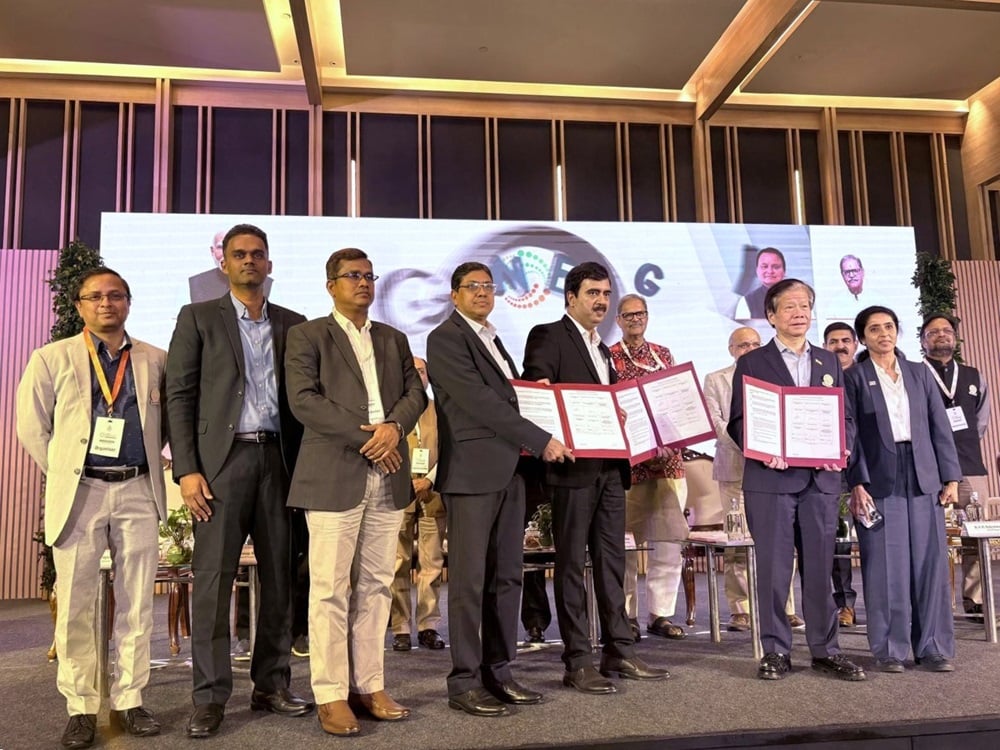
NTU, Indian Partners Launch Odisha Energy Research
The Nanyang Technological University (NTU) in Singapore has recently announced a collaborative initiative with various Indian partners to launch a significant energy research project in Odisha, India. This initiative aims to address the growing energy demands in the region while promoting sustainable energy practices and technological advancements.
Overview of the Initiative
The collaboration focuses on developing innovative solutions to enhance energy efficiency and sustainability in Odisha. The project will leverage NTU’s expertise in energy research and technology, alongside the local knowledge and resources of Indian partners. This partnership is expected to foster knowledge exchange and drive research that aligns with global energy goals.
Key Objectives
- Enhance Energy Efficiency: The project aims to develop methods and technologies that improve energy efficiency in various sectors, including residential, industrial, and commercial.
- Promote Renewable Energy: A significant focus will be on integrating renewable energy sources into the existing energy infrastructure, reducing reliance on fossil fuels.
- Research and Development: The collaboration will support R&D initiatives that explore new energy technologies and innovative practices.
- Capacity Building: The project will include training programs and workshops to build local expertise in energy management and sustainable practices.
Significance of the Project
Odisha, like many regions in India, faces challenges related to energy access and sustainability. The demand for energy is rapidly increasing due to population growth and economic development. This project is significant as it aims to address these challenges through research and collaboration.
Furthermore, the initiative aligns with India’s commitment to achieving sustainable development goals and transitioning to a low-carbon economy. By focusing on energy efficiency and renewable sources, the project will contribute to reducing greenhouse gas emissions and promoting environmental sustainability.
Collaborating Partners
The initiative brings together a diverse group of stakeholders, including:
- Nanyang Technological University (NTU): A leading global university known for its research in engineering and technology.
- Indian Institute of Technology (IIT) Bhubaneswar: A premier engineering institution that will contribute its expertise in technology and research.
- Government of Odisha: The state government will provide support and facilitate the implementation of research findings.
- Local Industries: Various local industries will be involved to ensure that research outputs are practical and applicable in real-world scenarios.
Research Areas
The research will cover several critical areas, including:
- Smart Grids: Exploring the implementation of smart grid technologies to enhance the reliability and efficiency of energy distribution.
- Energy Storage Solutions: Investigating advanced energy storage technologies that can support renewable energy integration.
- Energy Management Systems: Developing systems that optimize energy consumption in various sectors.
- Policy Frameworks: Analyzing existing energy policies and proposing frameworks that promote sustainable energy practices.
Expected Outcomes
The collaborative research initiative is expected to yield several positive outcomes, including:
- Innovative Technologies: Development of new technologies that enhance energy efficiency and promote renewable energy use.
- Policy Recommendations: Formulation of actionable policy recommendations that can guide energy management in Odisha.
- Capacity Building: Enhanced skills and knowledge among local professionals and stakeholders in energy management.
- Community Engagement: Increased awareness and participation of local communities in sustainable energy practices.
Future Prospects
The NTU and Indian partners’ collaboration is a step towards a more sustainable energy future for Odisha. As the project progresses, it is expected to pave the way for further research initiatives and collaborations in the energy sector. The outcomes of this project could serve as a model for similar initiatives in other regions of India and beyond.
Moreover, the partnership underscores the importance of international collaboration in addressing global energy challenges. By combining resources, expertise, and local knowledge, stakeholders can develop effective solutions that benefit both the environment and the economy.
Conclusion
The launch of the Odisha Energy Research initiative by NTU and its Indian partners marks a significant milestone in the pursuit of sustainable energy solutions. By focusing on energy efficiency, renewable sources, and local capacity building, this collaboration aims to make a meaningful impact on the energy landscape in Odisha. As the project unfolds, it will be essential to monitor its progress and outcomes to ensure that the goals of sustainability and efficiency are met.
Note: The information provided in this article is based on the latest available data and may be subject to change as the project develops.