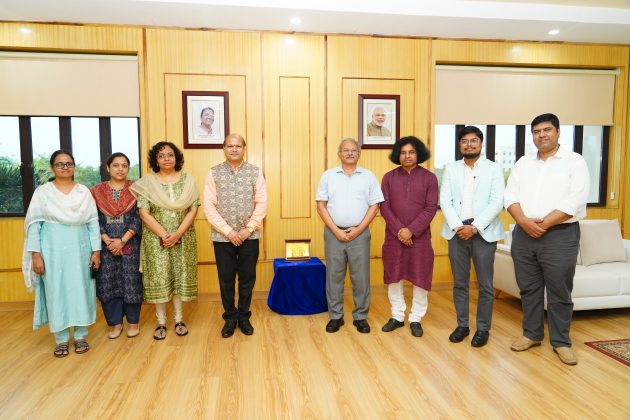
NHRC Special Monitor Visits IIT Bhubaneswar, Commends Inclusive and Rights-Based Campus Initiatives
The National Human Rights Commission (NHRC) Special Monitor recently visited the Indian Institute of Technology (IIT) Bhubaneswar to assess the institution’s commitment to human rights and inclusivity. The visit aimed to evaluate various initiatives undertaken by the institute to promote a rights-based approach within the campus environment.
Purpose of the Visit
The NHRC’s engagement with educational institutions is part of a broader initiative to ensure that human rights are integrated into the fabric of academic life. The Special Monitor’s visit to IIT Bhubaneswar was focused on understanding how the institution fosters an inclusive environment for all students, particularly those from marginalized communities.
Key Initiatives Highlighted
During the visit, several initiatives implemented by IIT Bhubaneswar were highlighted, showcasing the institute’s commitment to inclusivity and human rights. These initiatives include:
- Scholarship Programs: The institute offers various scholarships and financial aid programs aimed at supporting students from economically disadvantaged backgrounds.
- Awareness Campaigns: Regular workshops and seminars are conducted to raise awareness about human rights issues among students and staff.
- Diversity and Inclusion Policies: IIT Bhubaneswar has established policies that promote diversity in admissions and encourage the participation of underrepresented groups in academic and extracurricular activities.
- Support Services: The institute provides counseling and support services for students facing mental health issues or social challenges, ensuring a safe and supportive environment.
Commendations from the NHRC
The NHRC Special Monitor expressed appreciation for the proactive measures taken by IIT Bhubaneswar in promoting a culture of inclusivity. The monitor emphasized the importance of creating an environment where every student feels valued and empowered to succeed.
In particular, the monitor commended the following aspects:
- Student Engagement: The active involvement of students in various committees and decision-making processes was noted as a positive step towards fostering a sense of ownership and responsibility.
- Collaboration with NGOs: The institute’s collaboration with non-governmental organizations to provide outreach and support to underprivileged communities was highlighted as a commendable initiative.
- Feedback Mechanisms: The establishment of feedback mechanisms that allow students to voice their concerns and suggestions regarding campus policies was praised as an essential component of a rights-based approach.
Challenges and Recommendations
Despite the commendable initiatives, the NHRC Special Monitor also identified some challenges that need to be addressed to further enhance the rights-based approach at IIT Bhubaneswar. These challenges include:
- Awareness and Training: There is a need for continuous training and awareness programs for faculty and staff to ensure they are equipped to handle issues related to human rights and inclusivity effectively.
- Resource Allocation: Adequate resources must be allocated to support existing initiatives and develop new programs that address the evolving needs of the student population.
- Monitoring and Evaluation: Implementing a robust monitoring and evaluation framework to assess the impact of various initiatives on student well-being and inclusivity is crucial.
Future Directions
Looking ahead, the NHRC Special Monitor encouraged IIT Bhubaneswar to continue its efforts in promoting human rights and inclusivity. The following future directions were suggested:
- Strengthening Partnerships: Building stronger partnerships with civil society organizations and other educational institutions can enhance the effectiveness of outreach programs.
- Innovative Programs: Developing innovative programs that address specific challenges faced by marginalized groups can further promote inclusivity.
- Regular Assessments: Conducting regular assessments of the campus climate regarding inclusivity and human rights can help identify areas for improvement.
Conclusion
The visit of the NHRC Special Monitor to IIT Bhubaneswar underscores the importance of integrating human rights into the educational framework. By fostering an inclusive environment, the institute not only enhances the educational experience for its students but also contributes to the broader goal of promoting human rights in society. The commendations and recommendations provided by the NHRC serve as a valuable guide for IIT Bhubaneswar as it continues to evolve and strengthen its commitment to inclusivity and rights-based initiatives.
Note: The information presented in this article is based on the recent visit of the NHRC Special Monitor to IIT Bhubaneswar and reflects the ongoing efforts to promote human rights and inclusivity within educational institutions.