NFR & IIT Guwahati Collaborate for AI-Based Monitoring System
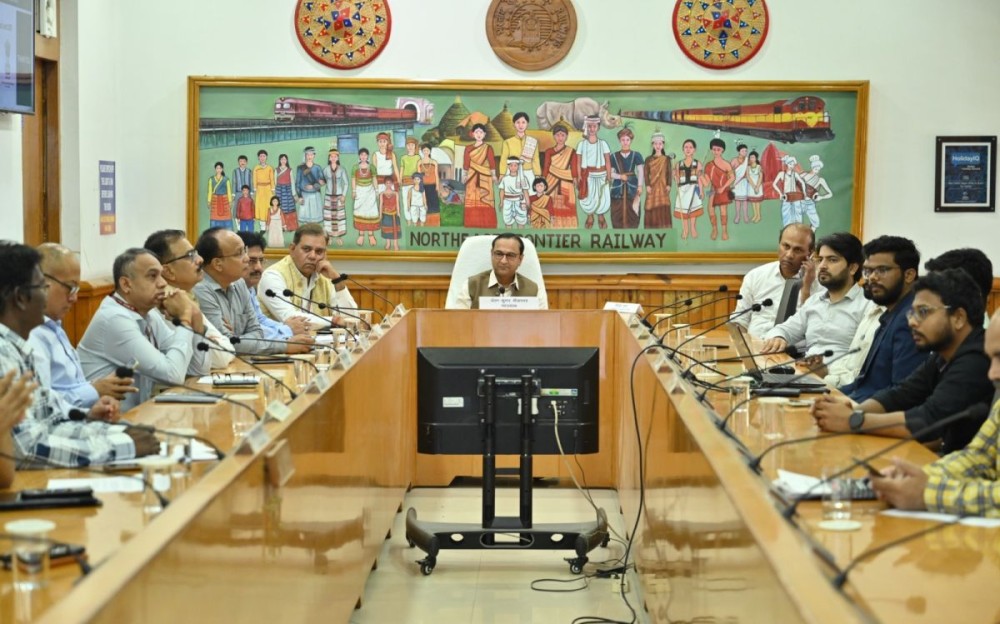
On November 6, 2025, the Northeast Frontier Railway (NFR) and the Indian Institute of Technology Guwahati Technology Innovation and Development Foundation (IITG TIDF) unveiled an innovative AI-based surveillance system designed to monitor wagon door locks. This advanced system, named DRISHTI, was showcased at the NFR headquarters in Maligaon and represents a significant step towards enhancing railway safety and operational efficiency.
Overview of the Collaboration
The collaboration between NFR and IITG was formalized through a Memorandum of Understanding (MoU) signed on November 19. The primary objective of this partnership is to develop intelligent monitoring solutions that leverage high-speed imaging, computer vision, and artificial intelligence. The presentation of DRISHTI was attended by key officials, including the General Manager of NFR and several Heads of Departments (PHoDs) from the zone.
Challenges Addressed by DRISHTI
One of the main challenges faced by NFR involves the detection of unlocked or tampered doors on moving freight wagons. Traditional manual checks are not only time-consuming but also impractical, especially for long-haul trains. The introduction of DRISHTI aims to provide a solution to these operational challenges.
Key Features of the System
- Real-Time Monitoring: DRISHTI is designed to monitor wagon door locks in real time, allowing for immediate detection of any anomalies.
- Automated Alerts: The system can issue automated alerts if it detects any issues with door locking mechanisms, ensuring that safety is not compromised during transit.
- Minimal Human Intervention: By reducing the need for manual checks, DRISHTI enhances operational efficiency and reliability.
Technology Behind DRISHTI
The prototype of DRISHTI has been under trial for the past ten months on selected wagons. It utilizes AI-powered cameras and sensors that are strategically mounted to capture and analyze the positions and locking conditions of the doors in real time. Preliminary results from these trials have shown promising accuracy, validating the potential of the system.
Components of the System
DRISHTI integrates several advanced technologies, including:
- High-Speed Imaging: Allows for rapid capture of images to monitor door conditions effectively.
- Computer Vision: Enables the system to interpret and analyze the captured images to assess the status of the locks.
- Artificial Intelligence: Powers the decision-making process, allowing for quick identification of any discrepancies or issues.
Future Plans and Implementation
Following the successful trials, plans are underway to refine and scale the technology for broader deployment across the NFR network. This initiative is expected to:
- Enhance freight security by ensuring that all wagon doors are properly secured during transit.
- Strengthen the integrity of wagon sealing, which is crucial for preventing cargo theft and ensuring safety.
- Bring greater transparency and reliability to railway operations, ultimately improving service quality for customers.
Conclusion
The collaboration between NFR and IIT Guwahati represents a significant advancement in railway safety and operational efficiency. With the implementation of the DRISHTI system, NFR aims to address critical challenges related to freight wagon security, enhancing both the safety of passengers and the reliability of services offered. As technology continues to evolve, initiatives like this will play a crucial role in modernizing railway operations and ensuring a safer transport system.
Note: The information presented in this article is based on the latest updates from the NFR and IIT Guwahati as of November 2025.