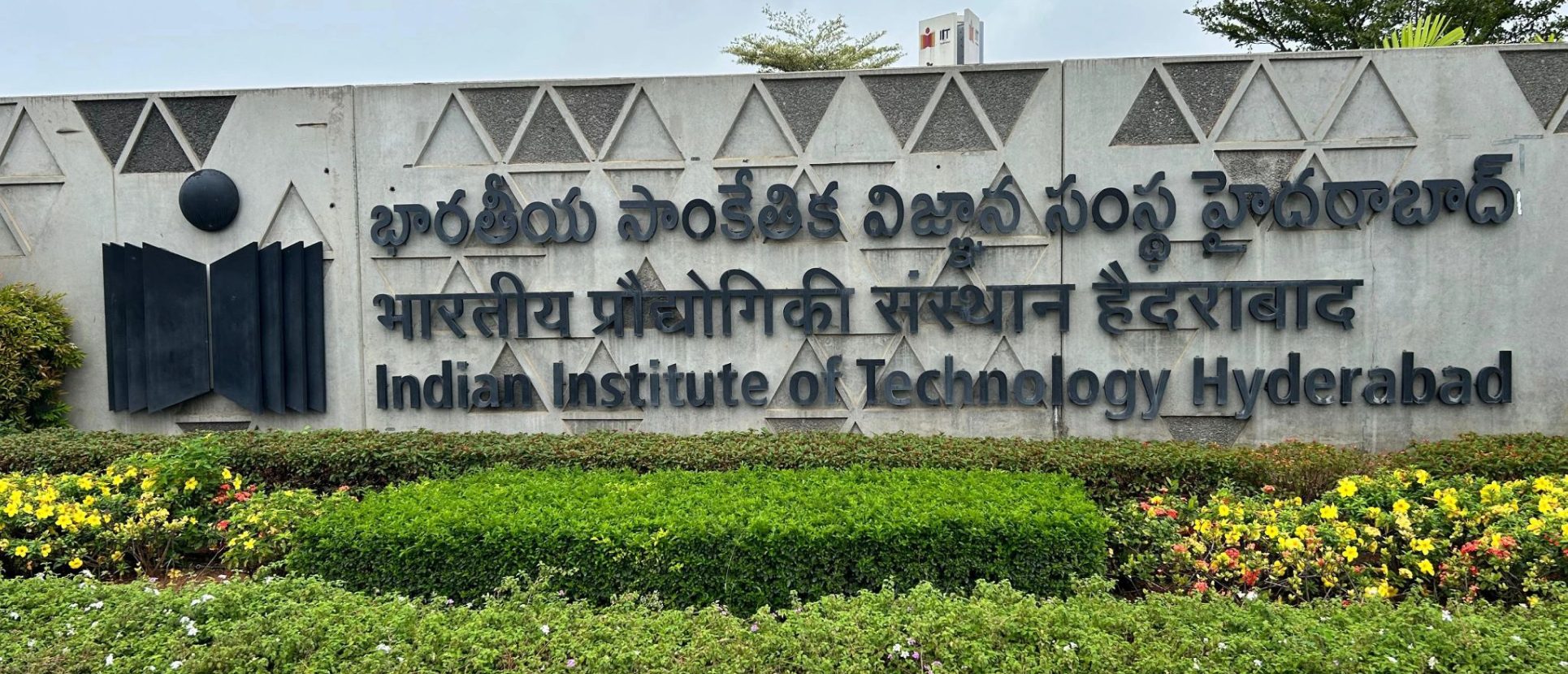
New AI Tool by IIT Hyderabad to Diagnose Brain Tumours without Surgery
Researchers at the Indian Institute of Technology (IIT) Hyderabad have made a significant breakthrough in the field of medical diagnostics with the development of an innovative AI platform named RadGLO. This tool allows for the non-invasive diagnosis of brain tumours using advanced imaging techniques, specifically MRI scans, eliminating the need for surgical biopsies.
Understanding RadGLO and Its Functionality
RadGLO leverages a technique known as radiomics, which involves extracting a multitude of quantitative features from MRI images. These features include aspects such as texture, shape, and intensity of the tumour, which are crucial for making accurate diagnoses. The integration of AI allows RadGLO to analyze these features to provide insights into the tumour’s characteristics, including:
- Determining tumour grade
- Predicting treatment response
- Forecasting survival outcomes
Components of the AI Platform
As part of this project, researchers developed two distinct platforms:
- RadGLO (Glioma Radiomics Analysis Platform): This interactive web tool links MRI features to nearly 20,000 genes. It assists healthcare professionals in differentiating between aggressive and less aggressive gliomas, providing a deeper understanding of the tumour’s genetic basis.
- RaSPr (Radiomic Survival Predictor): This component utilizes the extracted radiomic features to assess the aggressiveness of the tumour. It categorizes patients into high-risk (poor survival) and low-risk (better survival) groups, thereby enabling doctors to make more informed treatment decisions.
Benefits of Non-Invasive Diagnosis
The introduction of RadGLO marks a significant advancement in the realm of neuro-oncology. Traditional methods of diagnosing brain tumours often involve invasive procedures, which carry risks and complications. In contrast, RadGLO offers several advantages:
- Minimized Risk: By eliminating the need for surgical biopsies, patients face reduced risk of complications associated with invasive procedures.
- Faster Diagnosis: The AI tool can quickly analyze MRI scans, leading to faster diagnosis and treatment initiation.
- Personalized Treatment Plans: The insights gained from RadGLO allow for tailored treatment strategies based on the genetic profile of the tumour.
Implications for Future Research and Treatment
The development of RadGLO is not just a leap forward for diagnostic capabilities; it also opens new avenues for research in brain tumour treatment. With the ability to predict treatment responses and survival outcomes, clinicians can better strategize therapeutic approaches. Moreover, the platform’s genetic insights can pave the way for targeted therapies, which may improve patient outcomes significantly.
Conclusion
IIT Hyderabad’s RadGLO represents a transformative step in the diagnosis and management of brain tumours. By harnessing the power of AI and radiomics, this tool not only enhances diagnostic accuracy but also fosters a more personalized approach to treatment. As research continues and technology evolves, such innovations will likely play a crucial role in improving patient care in oncology.
Note: The information provided in this article is based on the latest developments as of October 2023 and aims to highlight the advancements in digital health technology.