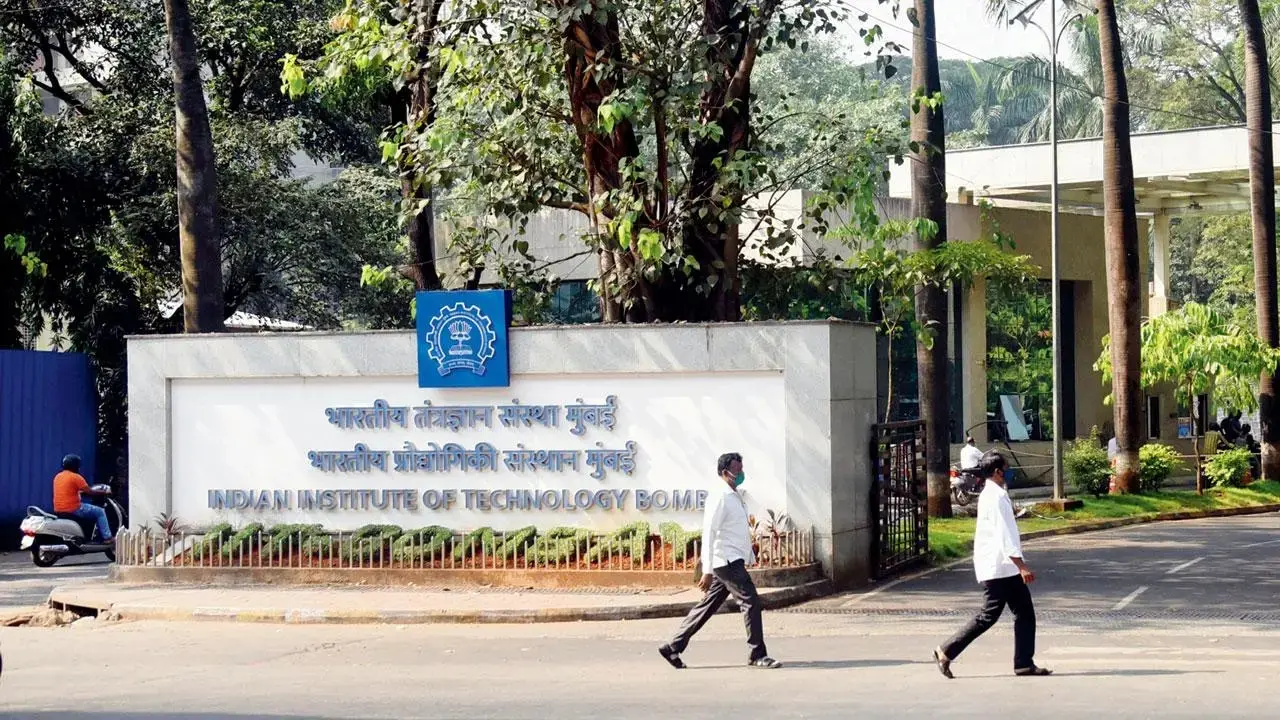
Mumbai: New IIT Bombay’s Strategic Plan Targets Global Leadership in Technology and Innovation
On December 9, 2025, IIT Bombay unveiled its ambitious strategic plan for the years 2026 to 2030, aiming to position itself among the world’s top technology universities by the end of the decade. This comprehensive roadmap emphasizes excellence in education, cutting-edge research, innovation, and societal impact.
Key Themes of the Strategic Plan
The strategic plan is built around three main themes:
- Learning-Centric Education
- Frontier Research Leadership
- Industry and Society Relevant Research & Translation
According to an official statement, the plan seeks to implement a significant shift towards student-driven and experiential learning. This approach aims to foster a more engaging educational environment that encourages active participation from students.
Global Academic Pathways
IIT Bombay plans to expand its global academic pathways by introducing joint degree programs and enhancing its online education offerings. The institute aims to provide more digital degrees and certificate courses to learners worldwide, thereby increasing accessibility to its educational resources.
Research Leadership in Priority Fields
The strategic plan outlines IIT Bombay’s commitment to strengthening its research leadership in several priority fields, including:
- Artificial Intelligence and Machine Learning
- Climate Technology
- Healthcare and MedTech
- Quantum Technologies
- Semiconductors
- Advanced Materials
- Space and Defence
To support these initiatives, the institute will establish new interdisciplinary centers and focus on the targeted recruitment of top faculty members in high-impact areas.
Engagement with Industry
The strategic plan emphasizes the importance of deepening IIT Bombay’s engagement with industry. This includes:
- Supporting more start-ups
- Accelerating the conversion of research into market-ready products
- Developing solutions that address societal challenges
By fostering stronger ties with the industry, IIT Bombay aims to enhance the practical applications of its research and contribute to economic growth.
Key Enablers for Success
To achieve the goals outlined in the strategic plan, IIT Bombay has identified six key enablers:
- Faculty Development: Investing in the professional growth of faculty members to enhance teaching and research capabilities.
- World-Class Infrastructure: Upgrading facilities to support advanced research and learning environments.
- Net-Zero Campus: Committing to sustainability and environmental responsibility in campus operations.
- Modernized Management: Implementing efficient administrative practices to streamline operations.
- Financial Sustainability: Ensuring long-term financial health through strategic partnerships and funding sources.
- Stronger Alumni and Corporate Partnerships: Leveraging alumni networks and corporate collaborations to enhance resources and opportunities.
Additionally, enhanced wellness support for students, staff, and faculty will be a priority, ensuring a healthy and productive academic environment.
Consultative Development Process
The strategic plan was developed through extensive consultations with various stakeholders, including faculty, students, alumni, industry leaders, and staff. This collaborative approach has helped to lay out a clear and ambitious direction for IIT Bombay’s growth and global impact over the next decade.
New Hostel Inauguration
In conjunction with the strategic plan announcement, IIT Bombay also inaugurated Hostel 19, designed to accommodate over 1,000 students. The ceremony was led by Dr. K. Radhakrishnan, the newly appointed Chairperson of the Board of Governors, alongside Director Prof. Shireesh Kedare and senior institute officials.
Hostel 19 features a G+9 structure encompassing approximately 300,000 square feet, designed around a courtyard-style layout to enhance natural light, ventilation, and community interaction. The facilities include:
- A 650-seat dining hall
- A fully equipped kitchen
- A 24/7 cafeteria
- Gym facilities
- Indoor games rooms
- Music, dance, and yoga rooms
- Computer and study spaces
- A recreational terrace atop the dining block
Conclusion
The strategic plan of IIT Bombay represents a significant step towards achieving global leadership in technology and innovation. By focusing on education, research, and industry collaboration, the institute aims to not only enhance its academic reputation but also contribute meaningfully to society.
Note: The information presented in this article is based on the latest updates from IIT Bombay and is subject to change as the strategic plan is implemented.