Meet the 25-Year-Old IIT Grads Behind AI Startup Giga: They Just Raised $61 Million
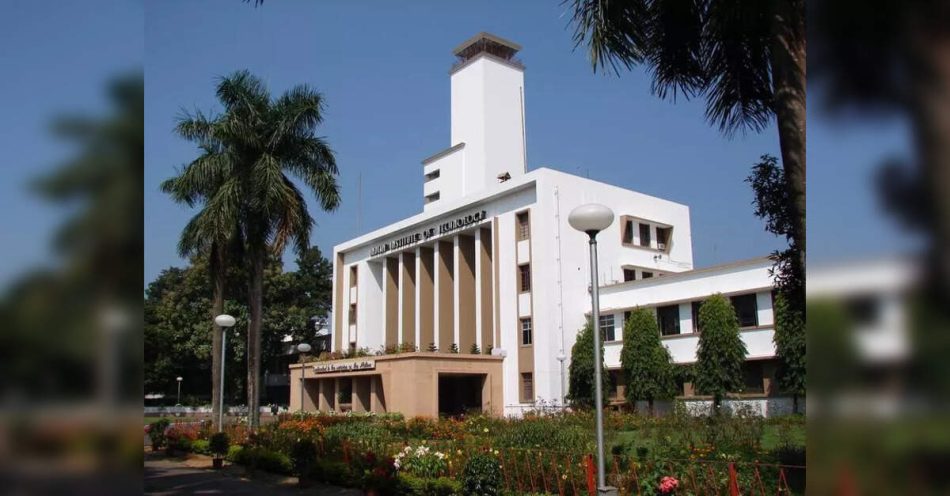
In a remarkable achievement, two young engineers from IIT Kharagpur, Varun Vummadi and Esha Manideep, have successfully raised $61 million in Series A funding for their AI startup, Giga. The San Francisco-based company specializes in creating voice-based AI agents for businesses, and this funding round was led by Redpoint Ventures, with participation from Y Combinator and Nexus Venture Partners.
A Bold Decision
The journey of Giga is particularly inspiring, especially considering the founders’ decision to turn down lucrative job offers and prestigious academic opportunities just two years ago. Varun Vummadi had received a PhD offer from Stanford University along with a job offer worth $525,000 from a leading high-frequency trading (HFT) firm. Esha Manideep also declined a $150,000 job as a systems engineer at a prominent Indian HFT firm. Their choice to pursue their passion for machine learning and AI innovation has now paid off significantly.
Social Media Recognition
A LinkedIn post by Vummadi reflecting on his decision has recently gone viral, resonating with many aspiring entrepreneurs. He described the emotional turmoil of walking away from secure and high-paying opportunities to chase a dream that seemed uncertain at the time. The post has been widely shared on social media, with users praising the duo’s decision as a “masterclass in long-term thinking.”
A Shift in Career Paths
The story of Vummadi and Manideep is emblematic of a broader trend among young Indian engineers who are re-evaluating traditional career paths. Instead of opting for stable jobs in finance or academia, many are diving into the startup ecosystem, drawn by the allure of innovation and the chance to make a significant impact.
Another example of this shift is Varun Goyal, a 25-year-old engineer who left a lucrative career in quantitative trading to join an AI startup. Goyal, a graduate of IIT Kanpur and the University of Illinois Urbana-Champaign, expressed that the collaborative and fast-paced culture of startups is far more fulfilling than his previous work environment. He noted that while the transition meant longer hours and lower pay, the learning opportunities made it worthwhile.
Building Giga
Giga’s mission is to revolutionize customer support by automating interactions through intelligent voice-based AI agents capable of managing thousands of conversations daily. The technology has already attracted major clients, including DoorDash, showcasing its potential in the market.
In a video announcement celebrating their funding success, Vummadi and Manideep shared their excitement about the future of Giga. Their reactions to the $61 million funding varied; while Manideep expressed a focus on the company’s future impact, Vummadi candidly shared his enthusiasm for the financial milestone, which resonated well with the audience on social media.
The New Generation of Engineers
The rise of Giga and similar startups illustrates a new wave of ambition among young engineers in India. These individuals are willing to take risks for the sake of innovation, demonstrating that the startup culture can lead to significant rewards. Vummadi’s straightforward excitement about the funding reflects a genuine passion for their work and the journey ahead.
As the tech landscape continues to evolve, the stories of Vummadi, Manideep, and others like them serve as a reminder that pursuing one’s passion can lead to extraordinary outcomes. Their success not only highlights the potential of AI technology but also inspires a new generation of engineers to rethink their career trajectories.
Conclusion
The journey of Varun Vummadi and Esha Manideep exemplifies the spirit of innovation and risk-taking that is becoming increasingly prevalent among young professionals in India. Their decision to prioritize passion over immediate financial security has resulted in a significant achievement for their startup, Giga, and serves as an inspiration for aspiring entrepreneurs everywhere.
Note: This article is based on information available as of November 2025.