India’s Top IITs Rank Slip as China & Singapore Surge Ahead in QS Asia Rankings 2026
In a significant shift in the academic landscape, the latest QS World University Rankings for Asia in 2026 reveal that India’s premier institutions, particularly the Indian Institutes of Technology (IITs), have experienced a notable decline in their rankings. This downturn comes at a time when universities from China, Singapore, South Korea, and Malaysia are making impressive gains, highlighting a growing disparity in higher education quality across Asia.
Declining Rankings of Indian Institutions
The QS Asia Rankings 2026 indicate that several leading Indian institutions have recorded their lowest positions in recent years. Among the top ten Indian universities listed, five IITs have seen a sharp drop in their rankings, raising concerns about the future of higher education in India. The following are the rankings of the top Indian institutions as per the QS Asia Rankings 2026:
Top Indian Institutions – QS Asia Rankings 2026
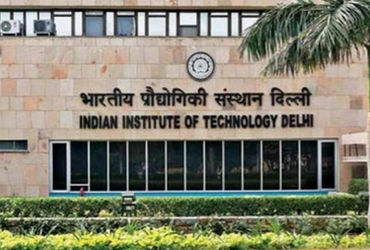
- 59 – IIT Delhi, New Delhi
- 63 – Indian Institute of Science (IISc), Bengaluru
- 70 – IIT Madras, Chennai
- 71 – IIT Bombay, Mumbai
- 77 – IIT Kanpur, Kanpur
- 77 – IIT Kharagpur, Kharagpur
- 95 – University of Delhi, New Delhi
- 114 – IIT Roorkee, Roorkee
- 115 – IIT Guwahati, Guwahati
- 130 – Jawaharlal Nehru University (JNU), New Delhi
Factors Contributing to the Decline
Several factors have contributed to the declining rankings of Indian institutions, particularly the IITs. These include:
- Poor International Faculty Presence: A lack of international faculty members has hindered the global appeal and competitiveness of Indian institutions. The presence of diverse faculty can enhance the learning environment and attract more students.
- Weaker Global Research Visibility: Indian universities have struggled to make a significant impact on global research. The lack of collaboration with international research institutions and limited funding for innovative projects have contributed to this issue.
- Low Foreign Student Enrollment: The number of foreign students enrolling in Indian institutions has been declining. This trend not only affects the diversity of the student body but also impacts the institutions’ global rankings.
Comparative Performance of Other Asian Universities
While Indian institutions are facing challenges, universities from other Asian countries are rising in prominence. Chinese universities, in particular, have made remarkable progress in recent years, with many institutions breaking into the top ranks of global education. Singaporean universities, renowned for their research output and academic excellence, have also surged ahead, further emphasizing the competitive landscape in Asia.
Key Competitors
Some of the top-performing institutions from China and Singapore include:
- 1 – Tsinghua University, China
- 2 – Peking University, China
- 3 – National University of Singapore (NUS), Singapore
- 4 – Nanyang Technological University (NTU), Singapore
Implications for Indian Higher Education
The decline in rankings poses serious implications for Indian higher education. As global competition intensifies, Indian institutions must adopt strategies to improve their standing. This includes enhancing research capabilities, attracting international faculty, and increasing foreign student enrollment. Additionally, fostering collaborations with leading universities worldwide can help improve visibility and reputation.
Conclusion
The QS Asia Rankings 2026 serve as a wake-up call for Indian institutions, especially the IITs, to reassess their strategies and priorities. With the rise of universities from China, Singapore, and other countries, it is crucial for Indian institutions to innovate and adapt to maintain their relevance in the global education landscape.
Note: The information presented in this article is based on the QS World University Rankings for Asia 2026 and reflects the current state of higher education in India and Asia.