IIT Madras’ New Road Dust Collector Tech to Create Dust-Free, Clean Cities
As urban areas continue to grapple with increasing pollution levels, a groundbreaking technology developed by researchers at the Indian Institute of Technology Madras (IIT Madras) promises to keep city streets cleaner and significantly reduce harmful airborne dust. This innovation aims to address one of the major contributors to air pollution: road dust.
The Problem of Road Dust and Air Pollution
Road dust, particularly fine particles known as PM2.5, poses serious health risks. Inhaling these particles can lead to a variety of respiratory issues, including asthma, chronic cough, and other lung diseases. In India, traditional road sweeping methods primarily involve the use of long broomsticks. This labor-intensive approach not only exposes sweepers to hazardous dust but also proves to be inefficient in terms of coverage and effectiveness.
The Innovative Solution
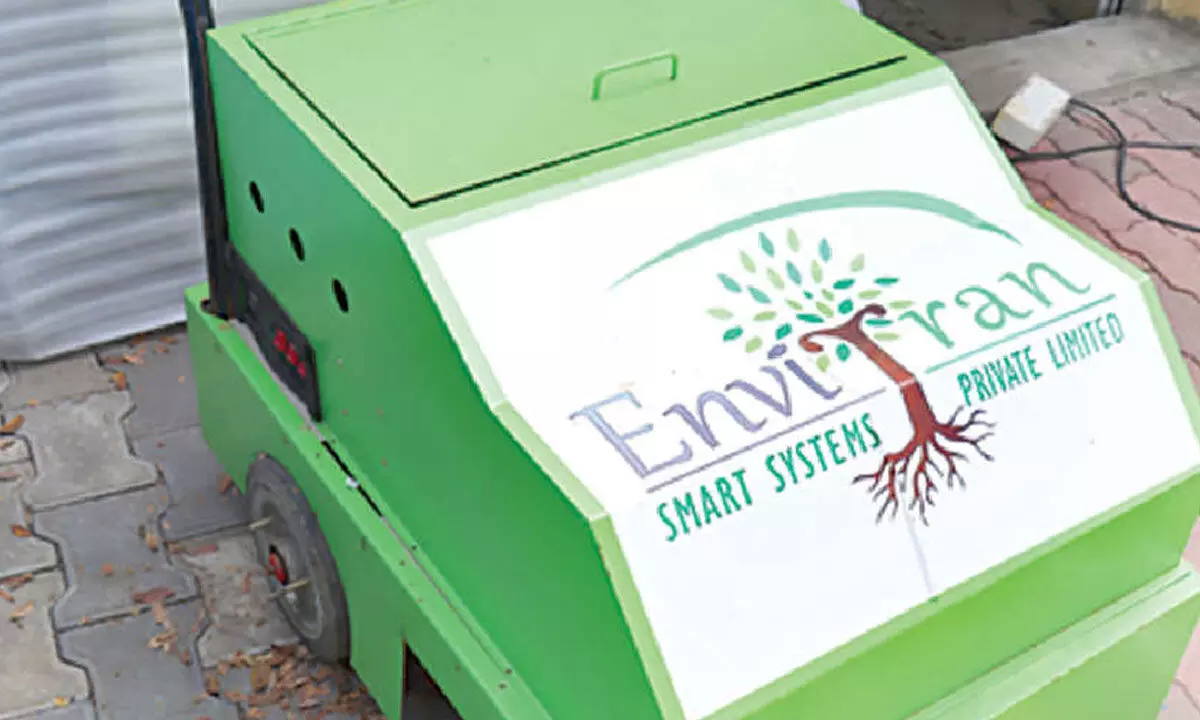
To combat these challenges, IIT Madras has developed a new road dust collector (RDC) that is designed to be easy to use, cost-effective, and efficient. Unlike large, expensive machines that are often impractical for narrow lanes and crowded areas, the RDC is a walk-behind device that simplifies the street cleaning process.
Key Features of the Road Dust Collector
- Cyclone Separator System: The RDC employs a unique cyclone separator that effectively collects both fine and coarse dust, storing them in separate bins. This feature not only enhances cleaning efficiency but also allows for the potential reuse of fine dust in manufacturing products like earthen pots.
- Self-Adjusting Brush: The device is equipped with a self-adjusting brush that adapts to uneven and sloping road surfaces, ensuring thorough cleaning regardless of the terrain.
- Energy Efficiency: A small battery-powered fan contributes to the RDC’s energy efficiency and eco-friendliness, making it a sustainable option for urban cleaning.
- Compact Design: Its lightweight and compact design make the RDC ideal for navigating narrow streets and congested areas, where larger machines cannot operate effectively.
Benefits of the Road Dust Collector
The introduction of the RDC is expected to yield numerous benefits for urban environments:
- Improved Public Health: By significantly reducing dust pollution, the RDC will lower the risks associated with respiratory diseases, contributing to better overall public health.
- Enhanced Safety for Sweepers: The device protects manual sweepers from direct exposure to dust, thereby reducing health risks and easing the physical strain associated with traditional sweeping methods.
- Cost-Effectiveness: The RDC is designed to be low-cost, durable, and easy to maintain, offering cities a financially viable solution for street cleaning.
- Environmental Protection: By minimizing the amount of dust that gets stirred back into the air, the RDC helps to protect the environment and improve air quality.
Commercialization and Future Prospects
Recognizing the potential of this innovative technology, IIT Madras has partnered with Envitran Smart Systems to facilitate the commercialization of the road dust collector. This collaboration aims to bring the RDC to urban areas across India and potentially beyond, providing a practical solution to the pressing issue of urban dust pollution.
Conclusion
The development of the road dust collector by IIT Madras represents a significant advancement in urban cleaning technology. By addressing the challenges associated with traditional street sweeping methods, this innovative device not only aims to create cleaner cities but also prioritizes the health and safety of the workers involved in street cleaning. As urban pollution continues to escalate, solutions like the RDC are essential for fostering healthier living environments.
Note: This article is based on information available as of December 2025 and reflects the ongoing efforts to improve urban air quality through technological innovation.