
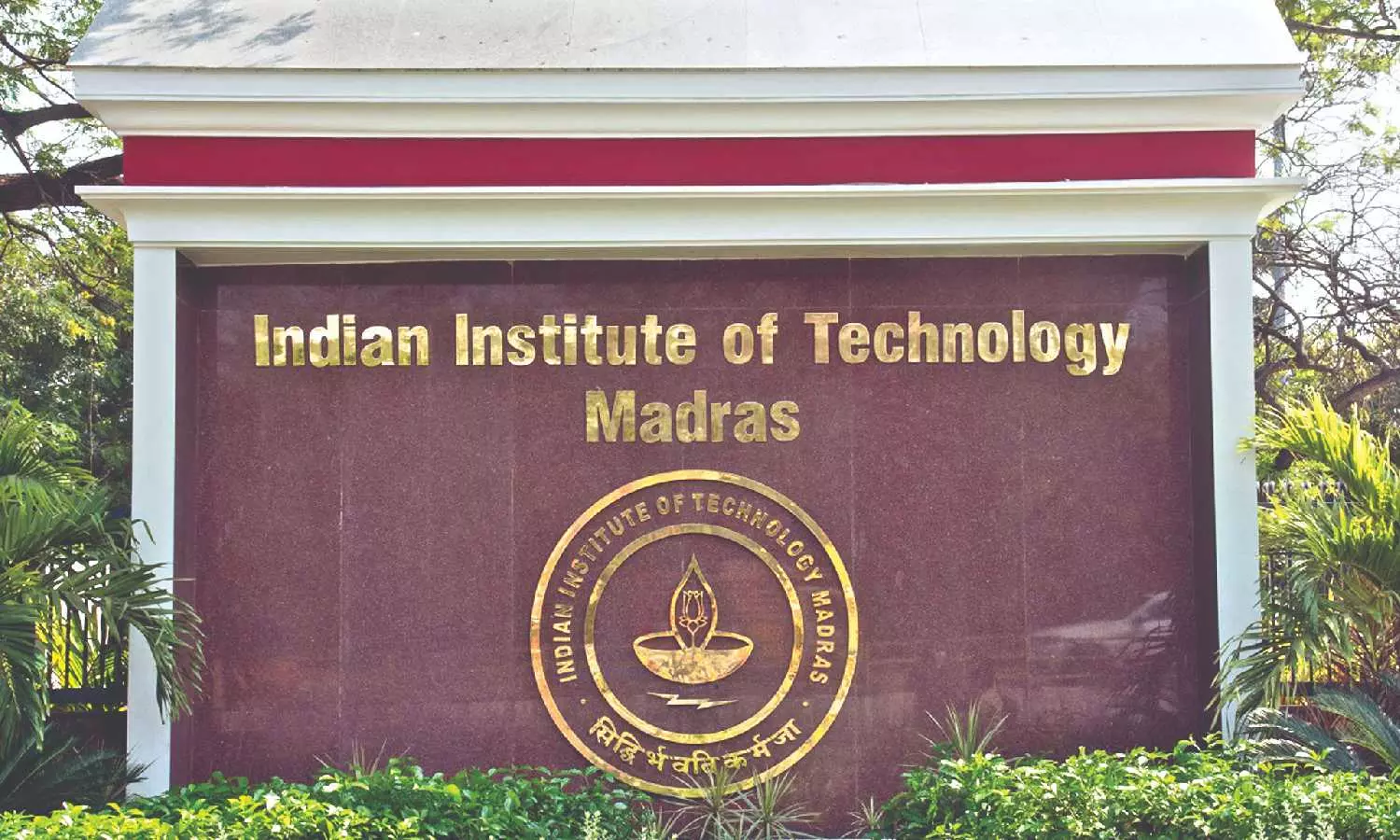
IIT-M, IRFC Launch India’s First Single-Cell Omics Translational Research Lab
The Indian Institute of Technology Madras (IIT-M) and the Indian Railway Finance Corporation (IRFC) have jointly inaugurated India’s first single-cell omics translational research laboratory. This pioneering facility aims to advance the field of single-cell analysis, which has significant implications for various scientific and medical research areas, including genomics, proteomics, and personalized medicine.
Understanding Single-Cell Omics
Single-cell omics refers to a suite of techniques that allow researchers to analyze the genetic material, proteins, and other molecules at the individual cell level. This approach provides a deeper understanding of cellular diversity and function, which is crucial for developing targeted therapies and understanding complex diseases.
Significance of the New Laboratory
The establishment of this lab represents a major milestone in India’s scientific landscape. Here are some key points highlighting its importance:
- Cutting-Edge Research: The lab will facilitate groundbreaking research in single-cell biology, enabling scientists to explore cellular mechanisms with unprecedented resolution.
- Personalized Medicine: By understanding the unique characteristics of individual cells, researchers can develop more effective treatments tailored to specific patient needs.
- Collaboration Opportunities: The lab will serve as a hub for collaboration among researchers, clinicians, and industry partners, fostering innovation and knowledge exchange.
- Training and Education: The facility will also focus on training the next generation of scientists in advanced omics techniques, ensuring a skilled workforce in this emerging field.
Key Features of the Laboratory
The single-cell omics translational research lab is equipped with state-of-the-art technology and resources, including:
- Advanced Sequencing Technologies: The lab features high-throughput sequencing platforms that allow for detailed genomic and transcriptomic analysis at the single-cell level.
- Imaging and Analysis Tools: Cutting-edge imaging technologies will enable researchers to visualize cellular processes in real-time, providing insights into cell behavior and interactions.
- Bioinformatics Support: A robust bioinformatics infrastructure will support data analysis, helping researchers interpret complex datasets generated from single-cell experiments.
Applications of Single-Cell Omics
The applications of single-cell omics are vast and varied. Some notable areas include:
- Cancer Research: Understanding tumor heterogeneity and the microenvironment can lead to more effective cancer therapies.
- Neuroscience: Investigating the cellular composition of the brain can provide insights into neurological disorders and brain function.
- Immunology: Single-cell analysis can help decipher immune responses, leading to better vaccine development and treatments for autoimmune diseases.
- Developmental Biology: Studying individual cells during development can illuminate the processes that govern cell differentiation and organ formation.
Future Prospects
The launch of this laboratory is expected to catalyze advancements in various scientific domains. As researchers utilize the facility, it is anticipated that:
- New discoveries will emerge that enhance our understanding of complex biological systems.
- Collaborative projects will lead to innovative solutions for pressing health challenges.
- India will strengthen its position in the global scientific community, particularly in the field of omics research.
Conclusion
The collaboration between IIT-M and IRFC marks a significant step forward in the field of single-cell omics research in India. By providing researchers with the tools and resources needed to explore cellular biology at an unprecedented level, this lab has the potential to transform our understanding of health and disease, paving the way for innovative therapeutic strategies.
Note: The establishment of this lab is a testament to India’s commitment to advancing scientific research and fostering innovation in healthcare.


