IIT Kharagpur Study: Paper Cups Release 25,000 Microplastics into Hot Tea in 15 Minutes, Risking Cancer Daily
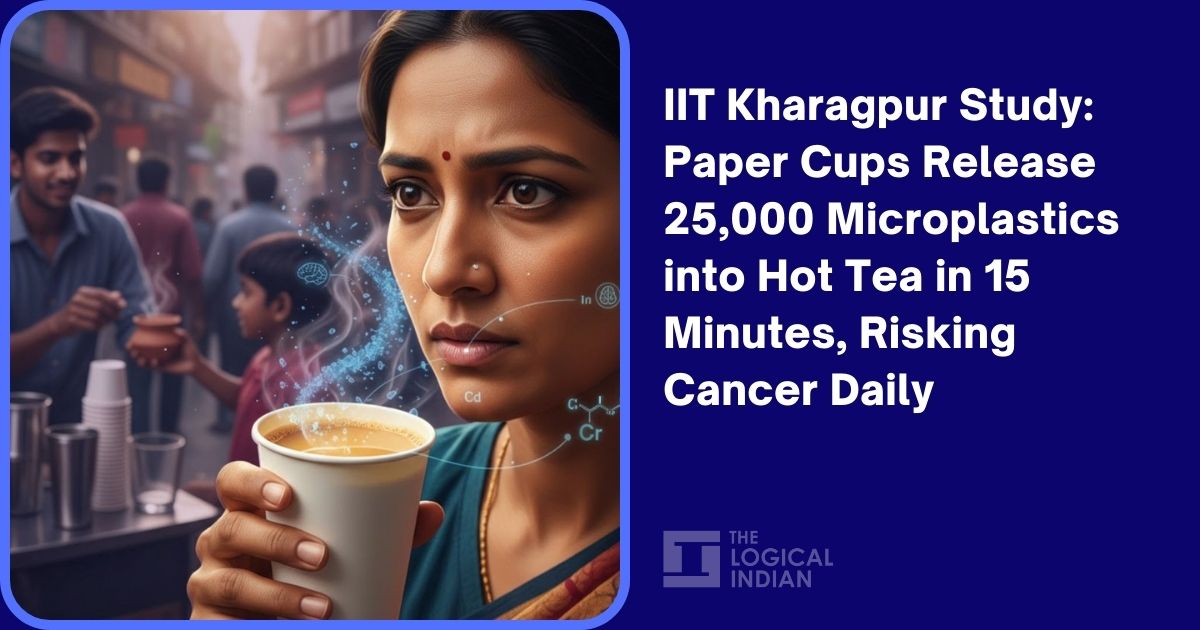
A groundbreaking study from IIT Kharagpur, led by Associate Professor Sudha Goel, has revealed alarming findings regarding the use of disposable paper cups for hot beverages. The research indicates that these cups leach approximately 25,000 microplastic particles into a 100ml serving of hot tea or coffee within just 15 minutes. This translates to over 75,000 particles for individuals consuming three cups daily, raising significant health concerns.
Health Risks Associated with Microplastics
The microplastics released from the polyethylene plastic lining of paper cups pose serious health risks. These include:
- Cancer risks
- Hormonal imbalances
- Nervous system damage
These microplastics can carry toxic heavy metals such as cadmium and chromium, further exacerbating health issues. Dr. Manish Sharma, Chief Medical and Health Officer in Bhopal, has labeled paper cups a “silent health hazard” and advocates for a switch to traditional alternatives like kulhads (clay cups), glass, or steel to ensure both health and environmental safety.
Study Details and Expert Warnings
The IIT Kharagpur research meticulously simulated real-world conditions by pouring hot water at temperatures between 85-90°C into standard disposable paper cups. The heat caused the polyethylene lining to degrade, releasing tens of thousands of microplastic particles ranging from 10 to 1000 micrometers directly into the beverage. Dr. Sudha Goel emphasized the gravity of the findings, stating, “Our research has confirmed contamination of the hot liquid served in paper cups due to the degradation of microplastics and other hazardous components from the lining material.”
This discovery builds on laboratory analysis using advanced microscopy and spectroscopy, revealing not just the quantity but also the insidious nature of these invisible contaminants. Health experts have echoed the alarm, linking chronic microplastic exposure to a cascade of biological disruptions. Dr. Sharma has urged citizens to abandon plastic-lined disposables, calling them a “ticking time bomb for public health.” He encourages opting for natural materials like kulhads, glass, or steel to protect personal health and the environment.
Environmental and Cultural Context
India’s tea culture, where over a billion cups are consumed daily, makes this study particularly relevant. The reliance on disposable paper cups has grown, especially in roadside tea stalls and office canteens, due to their perceived convenience and hygiene, particularly in the wake of the COVID-19 pandemic. However, this convenience overlooks the hidden plastic content designed to hold hot liquids, a flaw first highlighted in a 2020 IIT Kharagpur study but now resurfacing amidst stalled progress on alternatives.
Earlier studies have identified microplastics in oceans, seafood, and bottled water, but this focus on hot beverages shifts scrutiny to daily habits affecting both urban commuters and rural workers. The issue traces back to a surge in single-use plastics following the 2018 nationwide ban on thinner polythene bags, which inadvertently boosted the use of paper cups without addressing their plastic lining.
Government Initiatives and Public Response
Government initiatives, such as the Swachh Bharat Mission and the Plastic Waste Management Rules (2016, amended 2022), have aimed to promote extended producer responsibility. However, enforcement remains lacking, especially in informal sectors. Recent media coverage has reignited debates, with vendors in cities like Pune and Bhopal reporting customer inquiries and tentative trials of clay kulhads, echoing ancient traditions revived for modern sustainability.
Non-governmental organizations, such as the Centre for Science and Environment, advocate for incentives like subsidies on steel tumblers. Urban experiments in cities like Gurugram and Bengaluru have shown that reusable cup deposit schemes can reduce waste by 30% in pilot cafes. However, public response has been mixed; while awareness campaigns gain traction online, affordability and habitual use of disposable cups hinder widespread adoption.
Doctors in tier-2 cities have reported increases in consultations for unexplained fatigue and digestive issues, which are speculatively linked to cumulative microplastic exposure. This study arrives at a critical moment, as India’s 2025 National Green Tribunal hearings on microplastics loom, potentially mandating disclosures on cup linings and phasing out non-biodegradable options by 2027.
Conclusion
The findings from IIT Kharagpur serve as a wake-up call regarding the hidden dangers of using disposable paper cups for hot beverages. Every sip from these cups carries potential health risks, urging consumers to reconsider their choices. The Logical Indian emphasizes the need for collective awareness and action, advocating for manufacturers to innovate transparent, plastic-free packaging, and for policymakers to enforce accessible alternatives. Reviving traditions like kulhads not only honors cultural heritage but also promotes sustainability and health.
Note: The implications of this study highlight the urgent need for public awareness and regulatory action to protect both human health and the environment.