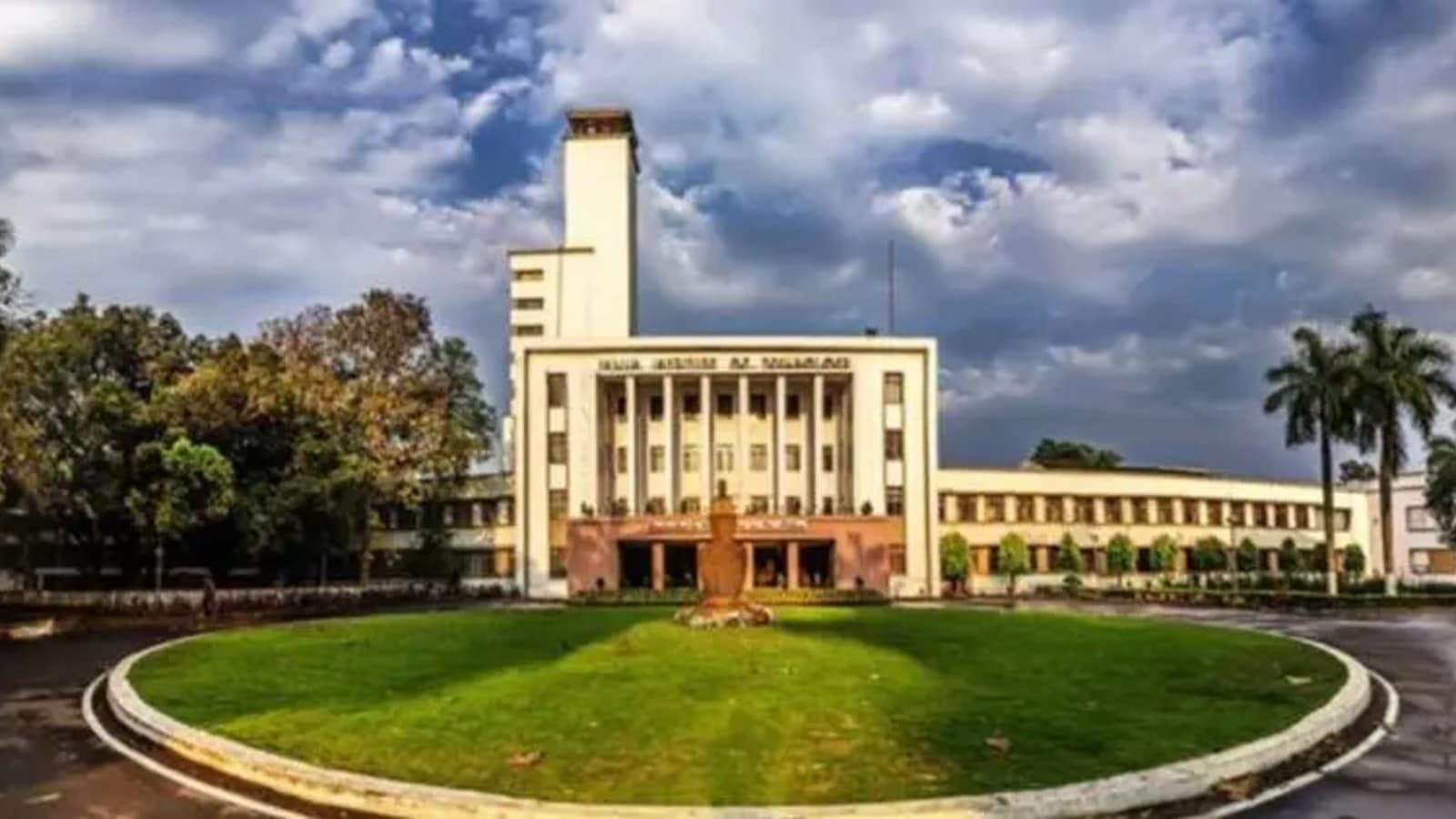
IIT-Kharagpur Director Holds Talks with University of Nebraska Medical Center on Future Collaboration
In a significant move towards enhancing global academic and research partnerships, the director of the Indian Institute of Technology Kharagpur (IIT-KGP), Suman Chakraborty, recently engaged in discussions with Dele Davies, the chancellor of the University of Nebraska Medical Center (UNMC). This high-level meeting took place during Chakraborty’s visit to Omaha, Nebraska, and focused on exploring collaborative opportunities in joint research and educational initiatives.
Focus on Engineering Innovation and Clinical Medicine
The primary aim of the discussions was to integrate engineering innovation with clinical medicine. This collaboration is particularly targeted at developing next-generation diagnostic technologies that are scalable, affordable, and deployable in real-world healthcare settings. The emphasis on practical applications reflects a commitment to addressing pressing healthcare challenges through innovative solutions.
Engagement with Biological Systems and Engineering
During his visit, Chakraborty also had the opportunity to interact with the leadership of the Biological Systems and Engineering (BSE) program at the University of Nebraska-Lincoln (UNL). This interaction opened up new avenues for institutional collaboration, particularly in the fields of biological systems engineering, robotics, advanced imaging, and portable ultrasound technologies.
Key Participants in the Discussions
The discussions at UNL were led by Dean Derek McLean and included prominent figures such as:
- Mark Stone, Head of BSE
- Santosh Pitla
- Angie Pannier
- Mark Riley, Associate Dean of the College of Engineering
Commitment to Translational Research
Both IIT-KGP and UNL expressed a shared commitment to translational research that holds global relevance. The visit included tours of the NTTL Splinters Lab and the Robotics Lab, which further reinforced this commitment. The focus was particularly on developing transformative imaging and ultrasound solutions that can be effectively deployed in resource-constrained environments.
The Role of Alumni in Fostering Collaboration
The visit was coordinated by Deepak Khazanchi, a faculty member at UNL and a distinguished alumnus of IIT Kharagpur. His involvement exemplifies the pivotal role of the global IIT alumni network in fostering enduring institutional bridges. Alumni networks are increasingly recognized for their ability to facilitate collaborations that can lead to significant advancements in research and education.
Potential Impact of the Collaboration
The collaboration between IIT-Kharagpur and the University of Nebraska Medical Center has the potential to yield significant advancements in healthcare technology. By combining engineering expertise with clinical insights, both institutions aim to develop solutions that can improve diagnostic capabilities and patient care.
Next-Generation Diagnostic Technologies
Next-generation diagnostic technologies are critical for enhancing healthcare delivery. The collaboration aims to create tools that are not only innovative but also practical for deployment in various healthcare settings. This includes areas where resources are limited, ensuring that advancements in medical technology can benefit a broader population.
Conclusion
The discussions between IIT-Kharagpur and the University of Nebraska Medical Center mark a promising step towards innovative healthcare solutions. By leveraging engineering innovations and clinical medicine, both institutions are poised to make significant contributions to the field of healthcare technology. The collaborative efforts will not only enhance research capabilities but also improve healthcare outcomes globally.
Note: This article is based on information available as of December 16, 2025, and reflects the ongoing efforts of educational institutions to foster global partnerships in research and innovation.