IIT Guwahati Researchers Pioneer Breakthrough Material to Detect Fuel Adulteration and Clean Oil Spills
In a significant stride towards environmental sustainability and public safety, researchers at the Indian Institute of Technology Guwahati (IIT-G) have developed a novel material capable of detecting adulteration in fuels like petrol and selectively absorbing oil from water. This innovation offers a potential game-changer in combating both fuel fraud and marine pollution.
Research Overview
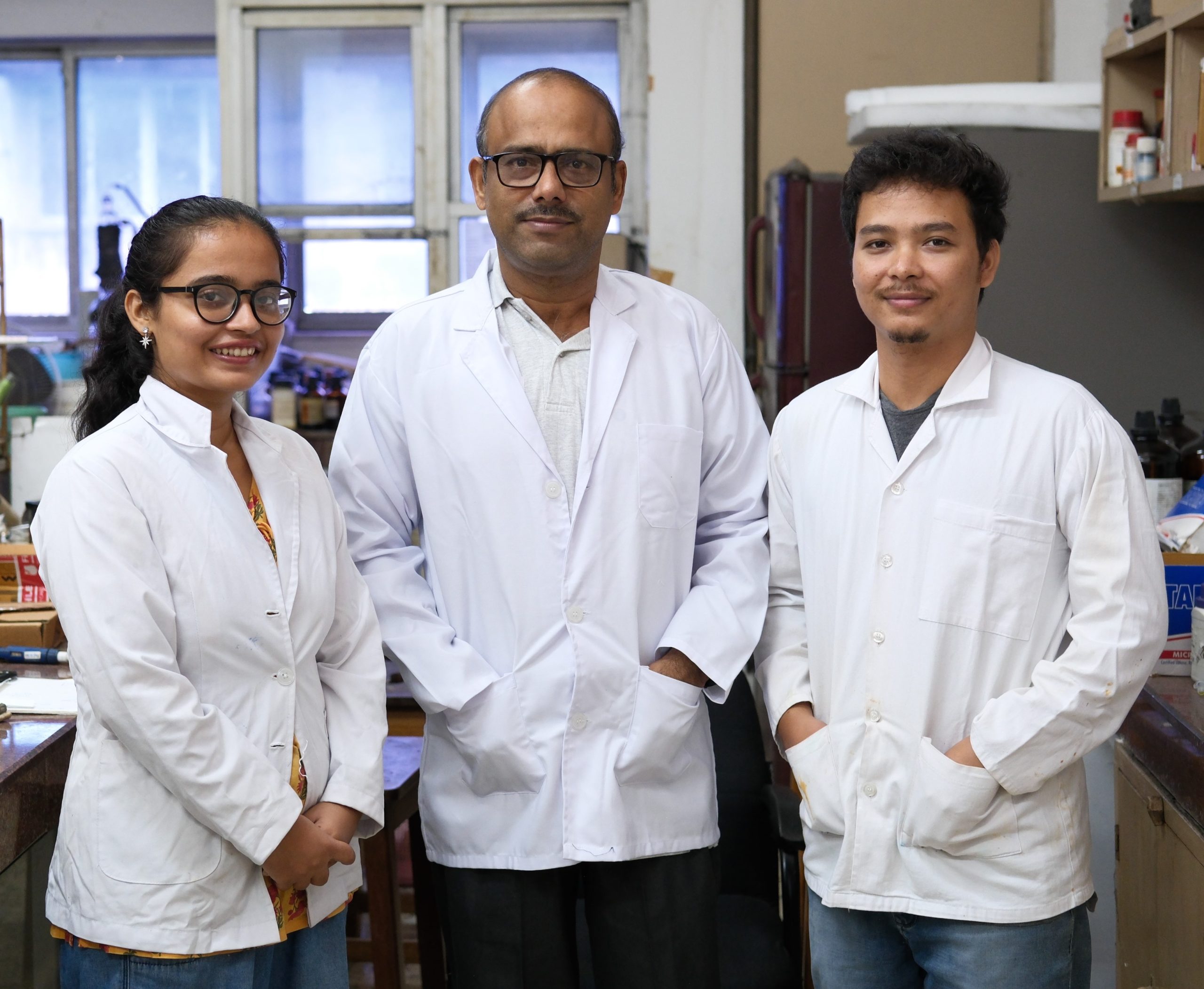
The study, recently published in the journal Chemical Engineering, was conducted by a team led by Professor Gopal Das from the Department of Chemistry, along with research scholars Rubi Moral and Oiyao Appun Pegu. At the heart of their innovation lies a specially designed material called a Phase-Selective Organogelator (PSOG).
How the PSOG Works
This compound can undergo a self-assembly process to selectively form gels in the presence of specific oils such as kerosene and diesel. It efficiently traps these oils without disturbing the surrounding water. Professor Das explained, “Our developed PSOG possesses a unique ability to selectively form gels only in the presence of specific oil samples like kerosene and diesel. Such highly selective PSOGs could be instrumental in detecting fuel adulteration and recovering oil from water bodies.”
The Environmental Impact
Oil spills remain one of the most catastrophic environmental challenges globally. According to the Oil Tanker Spill Statistics 2024, approximately 10,000 tons of oil were spilled into the world’s oceans and seas in 2024 alone. This situation endangers marine life, damages coastlines, and affects coastal livelihoods. Traditional cleanup methods, such as chemical absorbents or burning, often create secondary pollution. The IIT Guwahati team’s PSOG-based approach promises a safer, more sustainable alternative.
Addressing Fuel Adulteration
Beyond environmental applications, the material also holds critical implications for fuel safety in India, where kerosene adulteration is a persistent issue, especially in economically disadvantaged communities. Mixing kerosene with petrol to cut costs can lead to dangerous outcomes, including stove explosions and engine damage.
A Dual-Solution Technology
The research team envisions their innovation as a dual-solution technology. It aims to help regulators and industries detect adulterated fuels while providing an eco-friendly method to clean oil-contaminated water. This approach not only addresses immediate environmental concerns but also enhances public safety.
Future Directions
Looking ahead, the researchers aim to enhance the gel’s detection efficiency and expand its use across different fuel types. As Professor Das and his team continue refining the molecule’s design, their work positions IIT Guwahati at the forefront of scientific efforts to merge chemistry with environmental and social responsibility.
Conclusion
The development of the Phase-Selective Organogelator by IIT Guwahati researchers represents a significant advancement in the fight against fuel adulteration and oil pollution. This innovative material not only promises to improve fuel safety but also contributes to environmental sustainability, showcasing the potential of scientific research to address pressing global challenges.
Note: The information presented in this article is based on research conducted by IIT Guwahati and published in the journal Chemical Engineering.