IIT Gandhinagar develops hydrogel for cancer-preventing surgeries. 'Makes procedure safer'
The Indian Institute of Technology (IIT) Gandhinagar has made a significant breakthrough in the field of medical technology by developing a novel hydrogel designed to enhance the safety and efficacy of cancer-preventing surgeries. This innovative material has the potential to revolutionize surgical practices and improve patient outcomes in the fight against cancer.
Understanding Hydrogel Technology
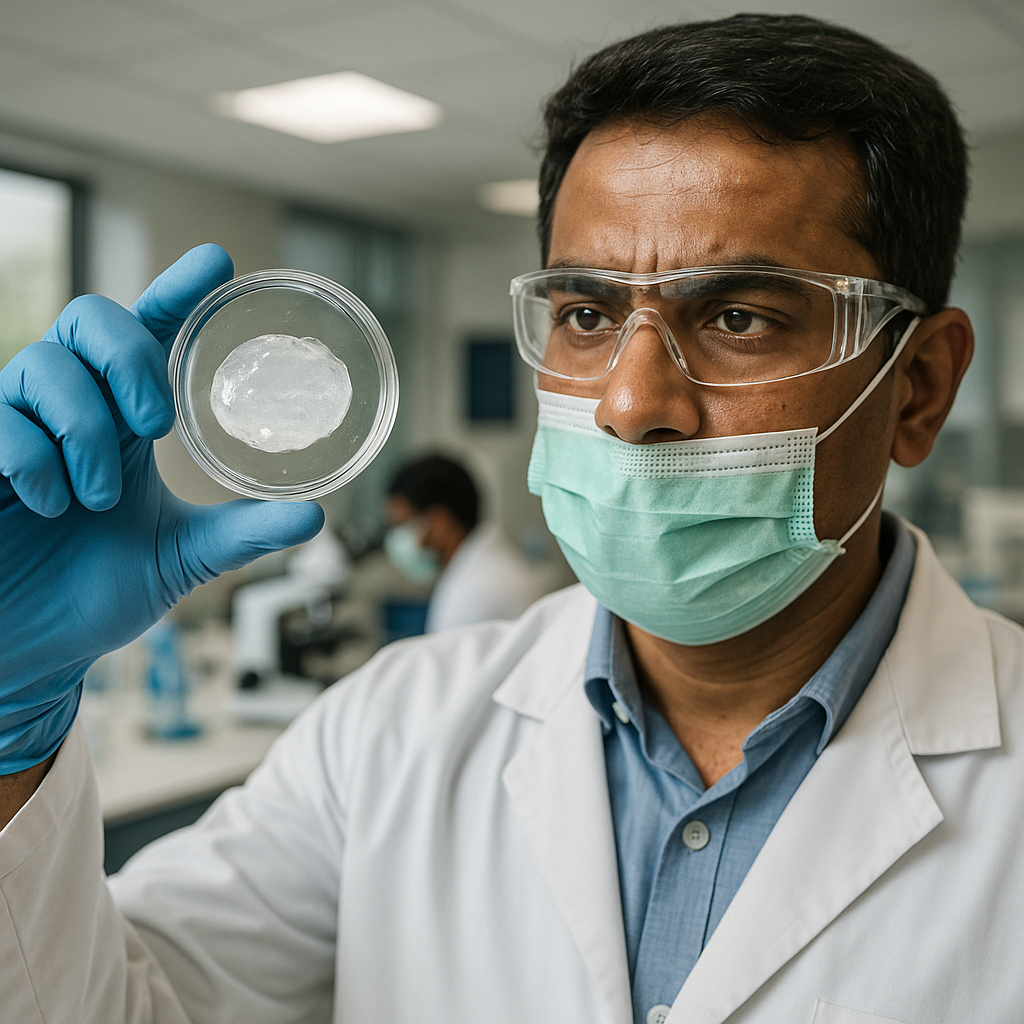
Hydrogels are three-dimensional polymeric networks that can retain large amounts of water while maintaining their structure. They have unique properties that make them suitable for various biomedical applications, including drug delivery, tissue engineering, and wound healing. The hydrophilic nature of hydrogels allows them to mimic the natural environment of cells, making them ideal for use in surgical procedures.
The Need for Safer Surgical Procedures
Cancer surgeries can be complex and risky, often leading to complications such as excessive bleeding, infection, and poor healing. The development of advanced materials that can minimize these risks is crucial in improving surgical outcomes. The hydrogel developed by IIT Gandhinagar aims to address these challenges by providing a safer surgical environment.
Features of the Newly Developed Hydrogel
The hydrogel created by the researchers at IIT Gandhinagar boasts several key features that enhance its functionality in surgical applications:
- Biocompatibility: The hydrogel is made from biocompatible materials, ensuring that it does not provoke an adverse immune response when implanted in the body.
- Moisture Retention: Its ability to retain moisture helps in maintaining a conducive environment for healing and reduces the risk of infection.
- Controlled Drug Release: The hydrogel can be engineered to release therapeutic agents in a controlled manner, providing localized treatment at the surgical site.
- Ease of Application: The hydrogel can be easily applied during surgeries, allowing for quick and efficient use by surgeons.
Research and Development Process
The development of this hydrogel was the result of extensive research conducted by a team of scientists and engineers at IIT Gandhinagar. The team focused on understanding the properties of various polymeric materials and their interactions with biological tissues. Through a series of experiments and clinical simulations, they were able to optimize the hydrogel’s composition for maximum effectiveness.
Potential Applications in Cancer Surgeries
The hydrogel is particularly promising for use in various types of cancer surgeries, including:
- Breast Cancer Surgery: The hydrogel can be used to minimize tissue damage and enhance recovery in patients undergoing mastectomy or lumpectomy.
- Colorectal Cancer Surgery: It can help in reducing post-operative complications such as anastomotic leaks.
- Prostate Cancer Surgery: The hydrogel can aid in preserving surrounding tissues and nerves during prostatectomies.
Clinical Trials and Future Prospects
Before the hydrogel can be widely implemented in surgical practices, it must undergo rigorous clinical trials to assess its safety and efficacy in human patients. The researchers at IIT Gandhinagar are currently in the process of seeking approvals for these trials. If successful, this hydrogel could become a standard component in surgical procedures, significantly improving patient care.
Conclusion
The development of this innovative hydrogel by IIT Gandhinagar represents a promising advancement in surgical technology. By enhancing the safety and efficacy of cancer-preventing surgeries, this hydrogel has the potential to improve patient outcomes and reduce the risks associated with surgical interventions. As research progresses and clinical trials commence, the medical community eagerly anticipates the impact this technology will have on the future of cancer treatment.
Note: The information provided in this article is based on the latest research and developments as of October 2023. Further updates may be available as clinical trials progress.