IIT Delhi asked to prepare a route rationalisation study for DTC
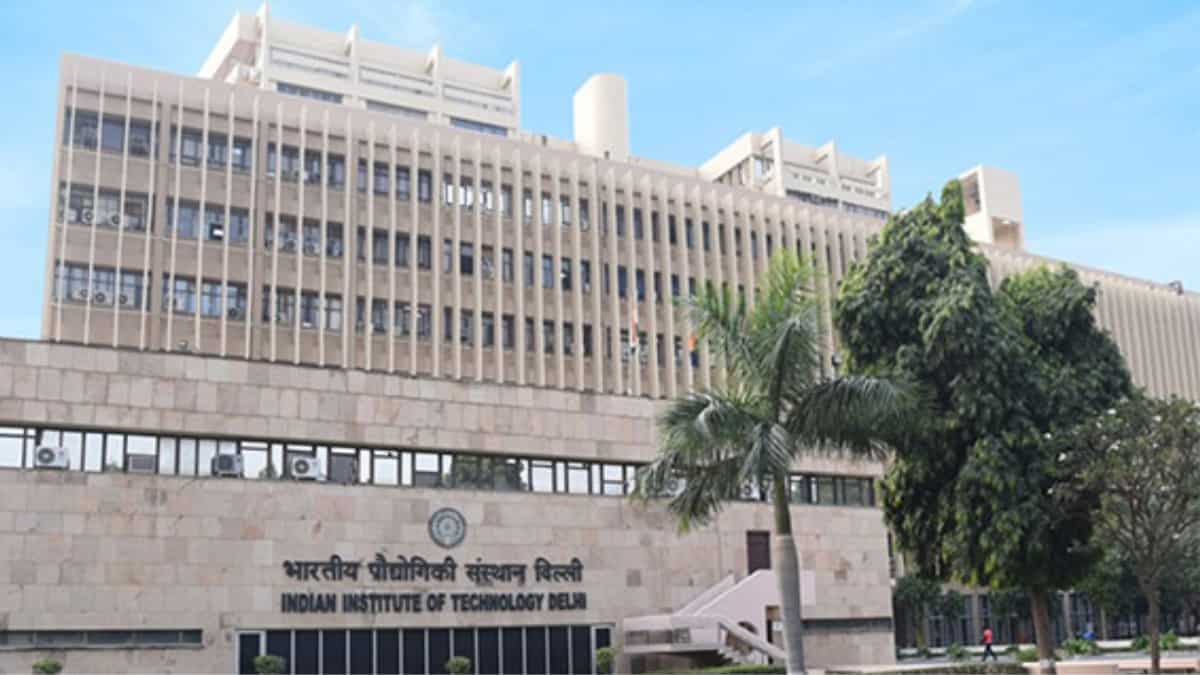
In a significant move aimed at enhancing public transport in the capital, the Delhi government has commissioned the Indian Institute of Technology (IIT) Delhi to undertake a comprehensive route rationalisation study of the Delhi Transport Corporation (DTC) bus network. This initiative is part of the government’s broader strategy to improve efficiency, accessibility, and service quality in public transportation.
Overview of the Study
The route rationalisation study is set to span 12 months, commencing in March 2026 and concluding in February 2027. The primary objective of this study is to optimise the existing bus fleet’s utilisation while expanding public transport coverage across the city.
Objectives of the Route Rationalisation Study
The key objectives of the route rationalisation study include:
- Improving the efficiency of the DTC bus network.
- Enhancing accessibility for commuters.
- Increasing overall service quality of public transport.
- Strengthening last-mile connectivity.
- Improving integration of bus routes with the Delhi Metro network.
Background and Context
The decision to initiate this study follows a rationalisation programme that was started last year. This was primarily in response to the gradual phasing out of several 15-year-old low-floor CNG buses, which have been a part of the DTC fleet. The government aims to replace these older buses with newer, more efficient models, thereby improving the overall quality of public transport in Delhi.
Support from DTC
The DTC will play a crucial role in supporting the study. This support will include:
- Data sharing to provide insights into current bus operations.
- Field surveys to gather real-time information on bus routes and usage patterns.
- Coordination with various stakeholders to ensure comprehensive input and feedback.
Monitoring and Evaluation
To ensure the study progresses on schedule, regular monitoring mechanisms will be established. These mechanisms will help track the study’s milestones and ensure that the objectives are being met in a timely manner.
Expected Outcomes
The findings from the route rationalisation study are anticipated to provide valuable insights that will guide future planning and restructuring of bus routes throughout Delhi. The planned changes are expected to contribute to a more streamlined and commuter-oriented public transport system, ultimately benefiting the residents of the national capital.
Future Plans for DTC Fleet
During a recent budget presentation, the Chief Minister of Delhi announced that the DTC currently operates a fleet of over 6,100 buses. There are plans to expand this fleet to 12,000 buses by 2029. This expansion is part of the government’s commitment to improving public transport infrastructure and ensuring that it meets the growing demands of the city’s population.
Conclusion
The collaboration between IIT Delhi and the DTC marks a pivotal step in enhancing the public transport system in Delhi. By focusing on route rationalisation, the government aims to create a more efficient and user-friendly bus network that meets the needs of commuters while integrating seamlessly with other modes of transport, such as the Delhi Metro. As the study progresses, it is expected to yield significant improvements in the overall quality of public transportation in the capital.
Note: The information presented in this article is based on the latest developments as of March 2026 and is subject to change as the study progresses and further announcements are made.