IIT-Bombay or IIT-Mumbai? Renaming Debate Ignites Fresh Political Clash in Maharashtra
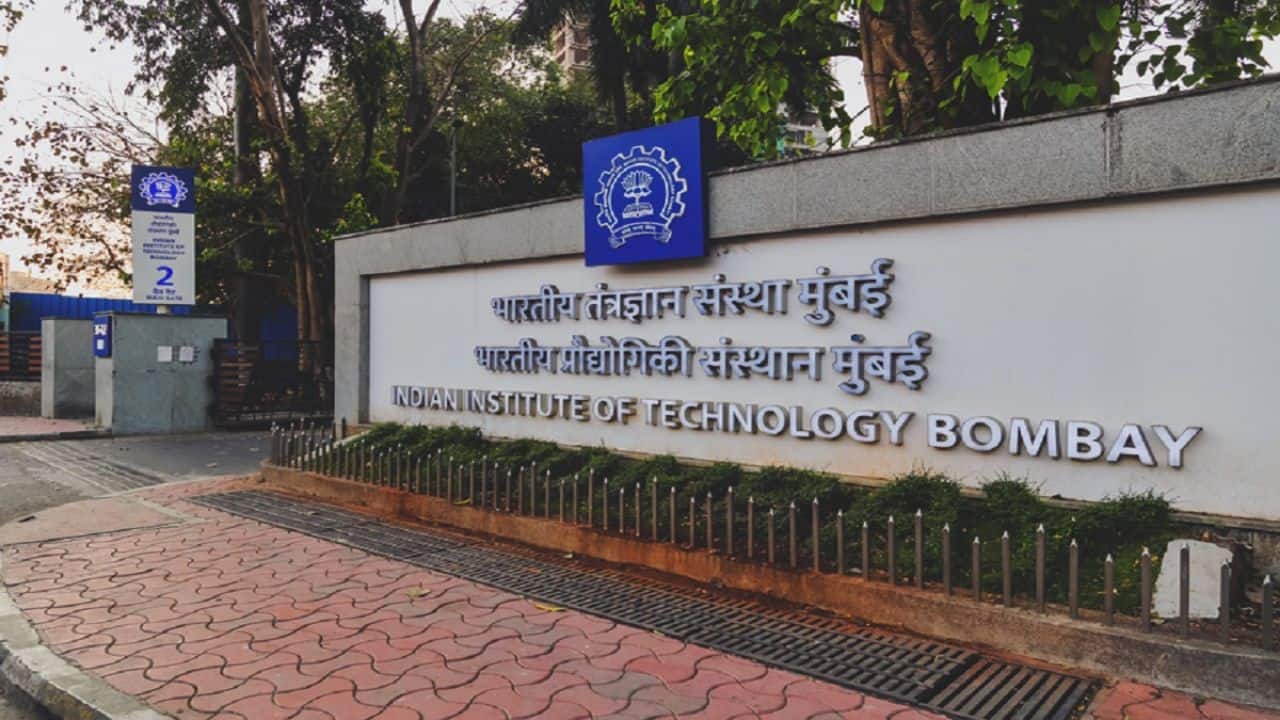
The Indian Institute of Technology (IIT) Bombay, one of the premier engineering institutions in India, has recently found itself at the center of a heated political debate regarding its name. The discussion has sparked a renewed interest in regional identity and the significance of nomenclature in the context of Maharashtra’s cultural and political landscape.
Background of the Renaming Debate
The term “IIT Bombay” has been in use since the institution’s establishment in 1958. However, the name “Mumbai” was officially adopted in 1995, replacing the colonial-era name “Bombay.” This change has led to a growing sentiment among some political factions and local activists advocating for the renaming of IIT Bombay to IIT Mumbai to reflect the city’s current identity.
Political Reactions
The proposal to rename IIT Bombay has elicited strong reactions from various political parties and social groups. Supporters of the renaming argue that it is a matter of pride and cultural identity, while opponents view it as an unnecessary change that could lead to confusion and disrupt the institution’s global recognition.
Supporters of the Renaming
- Cultural Identity: Advocates for the name change assert that “Mumbai” better represents the city’s diverse culture and heritage.
- Political Symbolism: Some politicians see the renaming as a way to assert regional pride and counteract the lingering effects of colonialism.
- Public Sentiment: Surveys and public discussions indicate that a segment of the population supports the idea, viewing it as a step towards reclaiming local identity.
Opponents of the Renaming
- Institutional Legacy: Critics argue that IIT Bombay has built a strong global reputation under its current name, and changing it could dilute that legacy.
- Administrative Challenges: The process of renaming an institution involves bureaucratic hurdles and could lead to confusion among international students and partners.
- Focus on Education: Many believe that the focus should remain on enhancing educational quality rather than engaging in name changes.
Historical Context
The renaming of cities and institutions in India has a long history, often tied to the struggle for independence and the desire to shed colonial legacies. The debate surrounding IIT Bombay is just one instance in a broader pattern of name changes across the country, including the renaming of cities like Calcutta to Kolkata and Madras to Chennai.
Impact on Students and Alumni
The potential renaming of IIT Bombay raises questions about how it would affect current students and alumni. Many graduates have built their careers and reputations based on the IIT Bombay name, which is recognized worldwide. A change could lead to complications in branding and recognition in academic and professional spheres.
Student Perspectives
Current students have expressed mixed feelings about the renaming debate. Some feel that the name “Mumbai” resonates more with their identity, while others are concerned about the implications for the institution’s reputation.
Alumni Reactions
Alumni have also weighed in on the discussion, with many advocating for the preservation of the IIT Bombay name. They argue that the institution’s legacy should remain intact, as it represents years of hard work and achievement.
Media Coverage and Public Discourse
The media has played a significant role in shaping the discourse around the renaming of IIT Bombay. Various news outlets have covered the topic extensively, providing a platform for both supporters and opponents to voice their opinions. Social media has also become a battleground for discussions, with hashtags related to the renaming debate trending across platforms.
Conclusion
The debate over whether to rename IIT Bombay to IIT Mumbai highlights the complexities of identity, heritage, and modernity in India. As political factions continue to clash over the issue, it remains to be seen how the institution will navigate this contentious landscape. What is clear is that the conversation is far from over, and it will likely continue to evolve as stakeholders from various sectors engage in the dialogue.
Note: The renaming debate reflects broader societal issues in India, including the ongoing struggle for identity and the impact of history on contemporary politics.