IIT-Bhubaneswar and ILS Transfer Novel TB Vaccine Technology to TechInvention
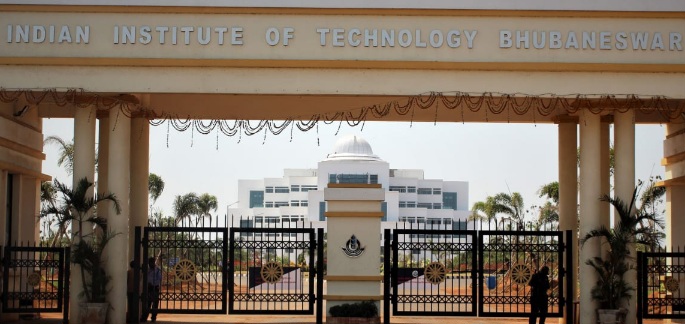
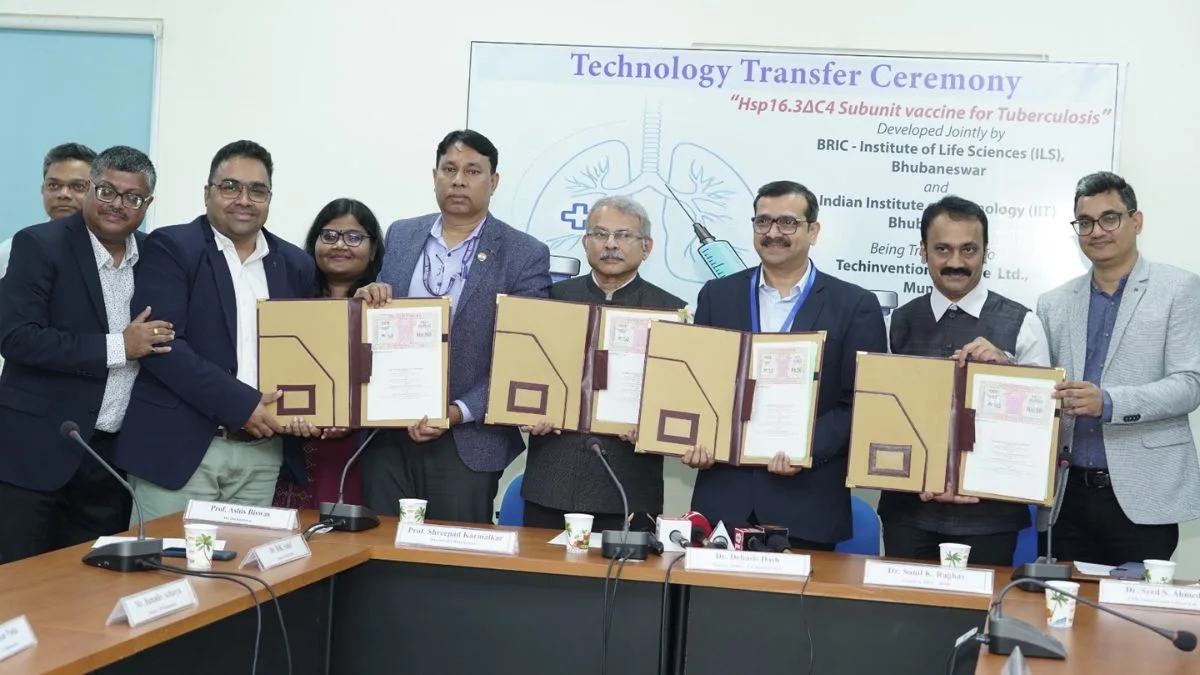
Bhubaneswar, November 24, 2025 – The Indian Institute of Technology (IIT) Bhubaneswar and the Institute of Life Sciences (ILS) Bhubaneswar have taken a significant step in the fight against tuberculosis (TB) by signing a Quadripartite License Agreement (QLA) with TechInvention Lifecare Limited. This agreement facilitates the transfer and future commercialization of a novel TB vaccine candidate known as the “HSP Subunit Vaccine in Adjuvant (DDA) Against Mycobacterium tuberculosis.”
The Global Challenge of Tuberculosis
Tuberculosis remains one of the world’s deadliest infectious diseases, claiming approximately 1.23 million lives in 2024, according to the World Health Organization (WHO). The urgency to end the TB epidemic by 2030 is emphasized as a key global health priority under the United Nations Sustainable Development Goals (SDGs).
Current Vaccination Landscape
Despite the availability of the Bacillus Calmette Guérin (BCG) vaccine, developed over a century ago, its effectiveness is limited. The BCG vaccine primarily protects infants and is largely ineffective against pulmonary TB in adolescents and adults. This gap in protection highlights the critical need for a more effective vaccine.
Development of the HSP Subunit Vaccine
To address this unmet need, a next-generation HSP Subunit Vaccine has been developed through collaborative research led by:
- Prof. Ashis Biswas of IIT Bhubaneswar
- Dr. Sunil Kumar Raghav of ILS Bhubaneswar
This innovative vaccine candidate is designed to elicit strong humoral and cell-mediated immune responses, thereby enhancing the protective efficacy of the existing BCG vaccine.
Role of the National Research Development Corporation
The National Research Development Corporation (NRDC) played a crucial role in this initiative by proactively identifying and evaluating the HSP Subunit Vaccine technology. They facilitated the licensing process to ensure the advancement of this promising vaccine candidate.
Key Participants in the Technology Exchange
The technology exchange ceremony took place at ILS Bhubaneswar, attended by several senior dignitaries, including:
- Dr. Debasis Dash, Director, ILS
- Prof. Shreepad Karmalkar, Director, IIT Bhubaneswar
- Prof. Dinakar Pasla, Dean (Sponsored Research & Industrial Consultancy), IIT Bhubaneswar
- Dr. B. K. Sahu, Senior Regional Manager & Head – Outreach Offices, NRDC
- Syed S. Ahmed, Director & CEO, TechInvention Lifecare Limited
- Dr. Sunil Kumar Raghav, Scientist F, ILS Bhubaneswar
- Dr. Ashis Biswas, Professor, School of Basic Sciences, IIT Bhubaneswar
Significance of the Collaboration
The HSP Subunit Vaccine candidate, developed jointly by ILS and IIT Bhubaneswar, marks a significant advancement in India’s efforts to combat Mycobacterium tuberculosis. This collaboration underscores the strength of India’s research ecosystem and its commitment to addressing critical public health challenges.
Role of TechInvention Lifecare Limited
As the licensed industry partner, TechInvention Lifecare Limited will play a pivotal role in translating this indigenous vaccine technology into a viable public health solution. With its expertise in vaccine development, regulatory readiness, and global health innovation, TechInvention is well-positioned to ensure that the vaccine candidate advances efficiently from research to product development, validation, and eventual commercialization.
Conclusion
This partnership not only strengthens India’s mission to eliminate tuberculosis but also highlights the transformative potential of indigenous, research-driven healthcare innovations for both national and global health. The collaborative efforts of IIT Bhubaneswar, ILS, NRDC, and TechInvention represent a significant stride towards a future where effective TB vaccines are accessible to those in need.
Note: The information presented in this article is based on reports available as of November 2025 and may be subject to change as further developments occur.