
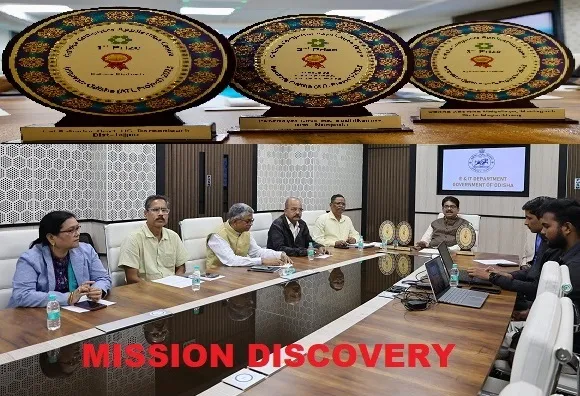
IIT Bhubaneswar: Transfer of Novel Tuberculosis Research
The Indian Institute of Technology (IIT) Bhubaneswar has made significant strides in the field of medical research, particularly in the fight against tuberculosis (TB). This article explores the recent developments in TB research at IIT Bhubaneswar, highlighting the collaboration with the Indian Institute of Science (IISc) and the implications of their findings.
Understanding Tuberculosis
Tuberculosis is a contagious bacterial infection caused by Mycobacterium tuberculosis. It primarily affects the lungs but can also impact other parts of the body. Despite being a preventable and treatable disease, TB remains a significant global health challenge, particularly in developing countries.
Statistics and Impact
- According to the World Health Organization (WHO), approximately 10 million people fell ill with TB in 2020.
- About 1.5 million people died from TB in the same year.
- Drug-resistant TB poses a growing threat, complicating treatment efforts.
Research Collaboration
The collaborative research project between IIT Bhubaneswar and IISc focuses on developing innovative strategies to combat TB. This partnership aims to leverage advanced technology and scientific expertise to enhance TB diagnosis and treatment.
Key Areas of Research
- Diagnostics: Developing rapid and accurate diagnostic tools to detect TB at an early stage.
- Vaccine Development: Researching new vaccine candidates that could provide better immunity against TB.
- Drug Resistance: Investigating the mechanisms behind drug-resistant strains of TB and finding ways to counteract them.
Recent Breakthroughs
Recent studies conducted by the researchers at IIT Bhubaneswar have shown promising results in the fight against TB. The team has developed a novel approach that enhances the efficacy of existing TB treatments.
Innovative Treatment Strategies
The researchers have identified specific biomarkers that can predict the response to TB treatment. This discovery allows for personalized treatment plans tailored to individual patients, improving treatment outcomes and reducing the risk of drug resistance.
Transfer of Technology
One of the most significant aspects of this research is the transfer of technology from the laboratory to real-world applications. IIT Bhubaneswar is working closely with healthcare providers to implement these findings in clinical settings.
Implementation in Healthcare
The transfer of technology involves:
- Training healthcare professionals on the use of new diagnostic tools.
- Collaborating with pharmaceutical companies to develop and distribute new treatment regimens.
- Conducting field trials to assess the effectiveness of the new strategies in diverse populations.
Challenges Ahead
Despite the promising developments, several challenges remain in the fight against TB. These include:
- Funding: Securing adequate funding for research and implementation of new technologies.
- Awareness: Increasing awareness about TB prevention and treatment among the general public.
- Access to Care: Ensuring that new diagnostic and treatment options are accessible to all, particularly in rural and underserved areas.
Conclusion
The collaboration between IIT Bhubaneswar and IISc represents a significant advancement in TB research. By focusing on innovative diagnostics and treatment strategies, the researchers are paving the way for a more effective response to this global health crisis. Continued support and collaboration among researchers, healthcare providers, and policymakers will be crucial in overcoming the challenges posed by tuberculosis.
Note: The information presented in this article is based on the latest research and developments as of October 2023. For ongoing updates, please refer to health organizations and research institutions.


