
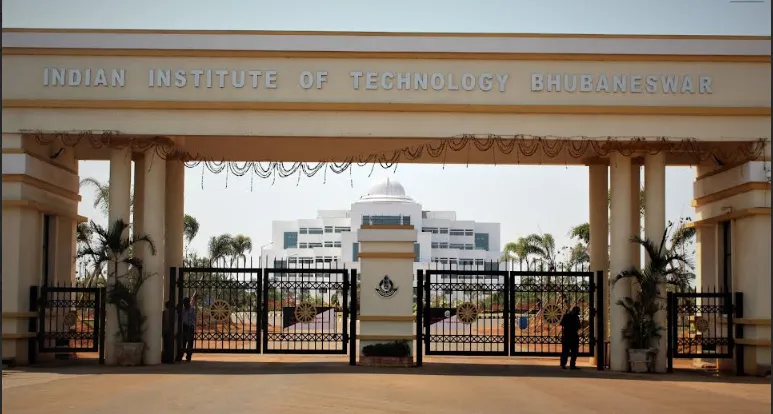
IIT Bhubaneswar and ISRO Sign MoU to Foster Collaborative Research and Development
Bhubaneswar, 24 October 2025: The Indian Institute of Technology (IIT) Bhubaneswar has entered into a significant partnership with the Indian Space Research Organisation (ISRO) through its National Remote Sensing Centre (NRSC). This collaboration aims to enhance research and development in the fields of oceanic processes and shoreline dynamics.
Details of the MoU
The Memorandum of Understanding (MoU) was signed on 17th October 2025. The primary focus of this partnership is to assess physical and biogeochemical processes in the ocean, particularly along the western Bay of Bengal. This initiative is crucial for understanding the ecological and environmental changes occurring in this vital region.
Scope of Research
The initial phase of the project will concentrate on mapping and analyzing nearshore dynamics from the Sundarbans delta to northern Andhra Pradesh. This area is known for its rich biodiversity and complex ecological systems, making it an ideal location for such research. The MoU also includes provisions for potential expansion to other coastal regions of India in the future.
Signatories of the MoU
The MoU was signed by:
- Dr. S. K. Srivastav: Chief General Manager, Regional Centres of NRSC, representing ISRO.
- Prof. P. Dinakar: Dean of Sponsored Research and Industrial Consultancy, representing IIT Bhubaneswar.
The signing ceremony was attended by several notable figures, including:
- Prof. C. N. Bhende: Dean of Postgraduate and Research Programs at IIT Bhubaneswar.
- Dr. R. K. Singh: Head of the School of Earth, Ocean, and Climate Sciences at IIT Bhubaneswar.
- Collaborators from the School of Earth, Ocean & Climate Sciences at IIT Bhubaneswar.
- Other officials from ISRO.
Importance of the Collaboration
This partnership is expected to yield significant benefits for both institutions and the broader scientific community. By leveraging ISRO’s advanced satellite technology and IIT Bhubaneswar’s academic expertise, the collaboration aims to:
- Enhance the understanding of oceanic processes and their impact on coastal ecosystems.
- Develop innovative solutions for monitoring and managing shoreline changes.
- Contribute to national efforts in climate change research and environmental sustainability.
Future Prospects
As the pilot phase progresses, there is potential for the MoU to be expanded to include additional research areas and methodologies. This could involve collaboration with other academic institutions and research organizations, further enriching the scope of the project.
Moreover, the findings from this research could inform policy decisions related to coastal management and environmental protection, thereby benefiting local communities and ecosystems.
Conclusion
The signing of the MoU between IIT Bhubaneswar and ISRO marks a significant step forward in collaborative research aimed at understanding and addressing critical environmental issues. This partnership not only enhances the capabilities of both institutions but also contributes to the broader goal of sustainable development in India.
Note: The collaboration between IIT Bhubaneswar and ISRO represents a vital intersection of technology and research, highlighting the importance of interdisciplinary approaches in tackling complex environmental challenges.


