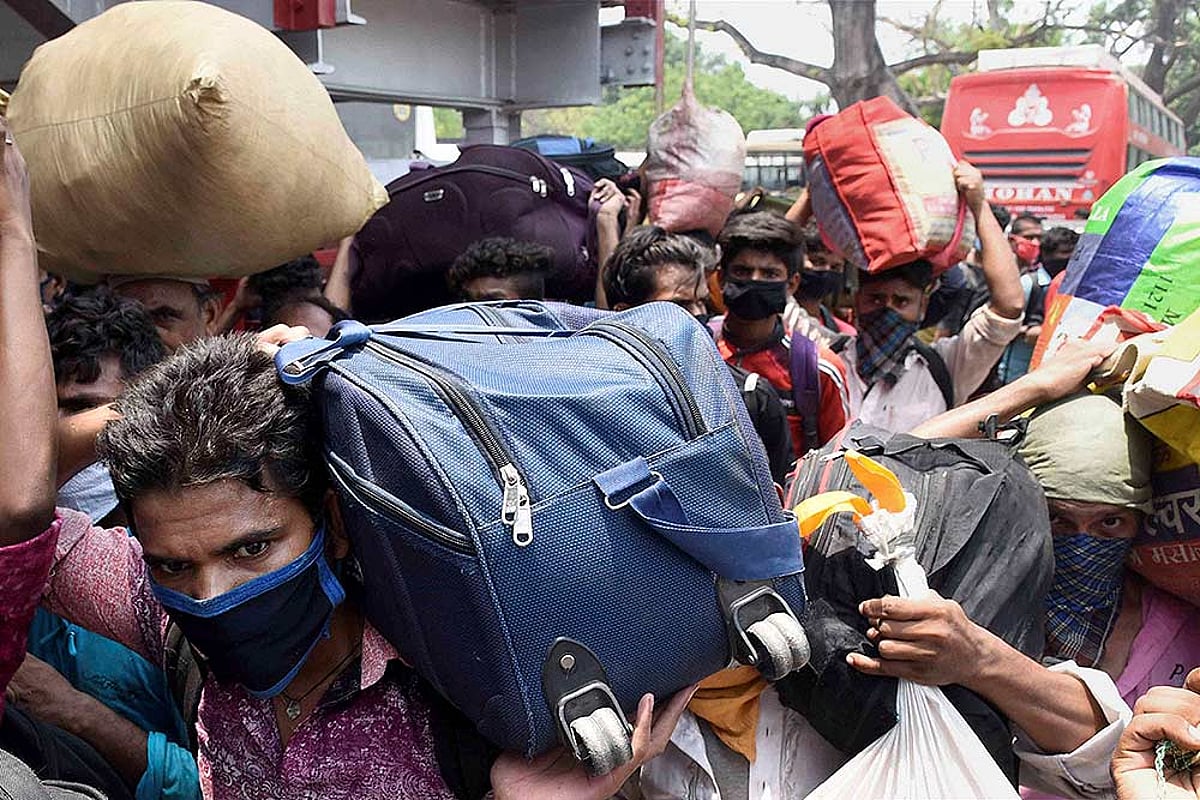
Heat Stress Reduces Migrant Worker Productivity in India, IIT Gandhinagar Study Shows
Recent research conducted by the Indian Institute of Technology (IIT) Gandhinagar has revealed alarming trends regarding the impact of rising temperatures and humidity on the productivity of migrant workers in India. The study, published in the journal Earth’s Future, indicates that productivity among this vital segment of the workforce has declined by nearly 10% over the past four decades due to increased heat stress.
Key Findings from the Study
The study analyzed data from the years 1980 to 2021, focusing on rural-to-urban migration hotspots across northern, eastern, and southern India. The researchers discovered a significant increase in humidity levels, which has contributed to greater exposure to heat stress for workers both outdoors and indoors.
- Between 1980 and 2021, there was a nearly 10% decline in labour capacity among migrant workers.
- Major cities such as Mumbai, Delhi, Kolkata, and Hyderabad were identified as having the largest influx of migrants, with a combined population of up to 10 million.
- If global temperatures rise by 4°C above pre-industrial levels, labour capacity could drop to just 62%.
The Vulnerability of Migrant Workers
Migrant workers, who often engage in physically demanding outdoor jobs, are particularly vulnerable to heat stress—a condition where the body cannot effectively regulate its temperature in high heat and humidity. The report emphasizes that climate change has intensified this risk, leading to reduced productivity and income among outdoor labourers.
Projected Future Risks
The study warns that the duration of extreme heat stress seasons is expected to increase, further challenging the health and work capacity of migrant workers. The researchers noted that:
- During the period of 1980–2021, rural-to-urban migration hotspots saw a significant rise in wet bulb temperatures, indicating increased indoor heat stress.
- Outdoor heat stress has considerably increased, leading to a nearly 10% decline in labour capacity in these hotspots.
Data Analysis and Urban Heat Stress
The research team utilized data from the 2011 Census and global climate models, focusing on 50 major Indian cities where residents have limited options to avoid heat exposure. The findings suggest that almost all urban regions could experience high indoor heat stress if global temperatures rise beyond 2°C above pre-industrial levels. Under scenarios of 3°C and 4°C warming, typical labour capacity could drop to:
- 71% at 3°C
- 62% at 4°C
This is a stark contrast to the current capacity of 86% if present trends continue.
Specific Case Studies
According to the research, outdoor workers in cities like Chennai and parts of West Bengal could face productivity losses of up to 35% when wet bulb temperatures exceed 28°C. This highlights the urgent need for adaptation measures to protect the most vulnerable segments of the workforce.
Conclusion
The findings of this study underscore the growing challenges that climate change poses to India’s urban workforce, particularly among migrant workers who are already at risk due to their working conditions. As global temperatures continue to rise, it is essential to implement stronger adaptation measures to safeguard the health and productivity of those most exposed to increasing heat stress.
Note: The information presented in this article is based on a study conducted by IIT Gandhinagar and published in the journal Earth’s Future. The implications of rising temperatures on migrant worker productivity are critical for understanding the future of labor in India.