Experts Call for Adopting Low-Carbon Building Materials for a Sustainable Future
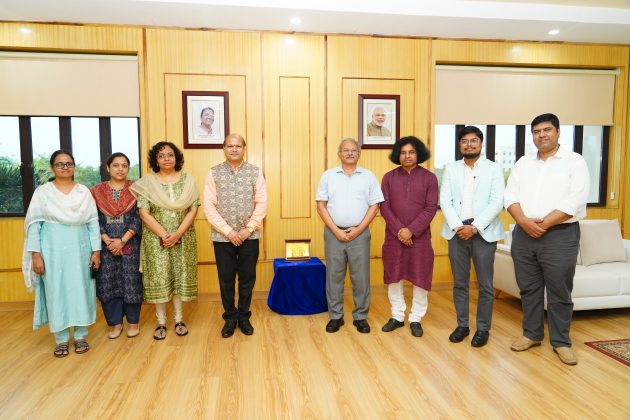
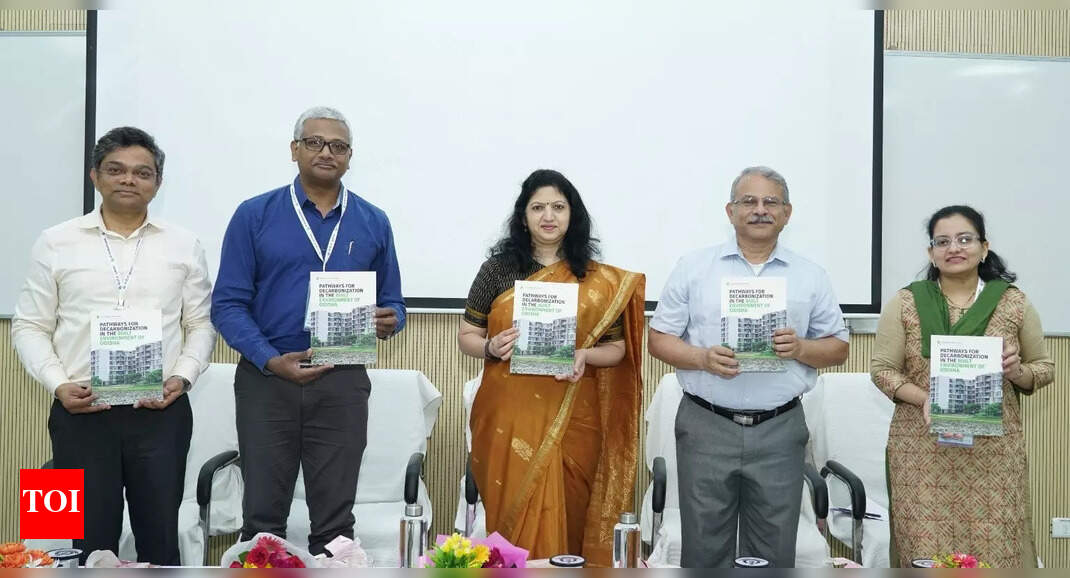
Bhubaneswar: In a recent workshop held at IIT Bhubaneswar, experts emphasized the urgent need for adopting low-carbon building materials to foster a sustainable built environment in Odisha. As the state faces rapid urban expansion and ambitious infrastructure goals, the call for innovative policies, research initiatives, and green entrepreneurship has become more critical than ever.
The Workshop’s Focus
The workshop, titled “Mainstreaming Low-Carbon Building Materials to Transform the Built Environment in Odisha,” brought together a diverse group of stakeholders, including engineers, policymakers, and academics. The discussions centered on the importance of transitioning to sustainable construction practices that can mitigate environmental impacts.
Key Insights from the Experts
Usha Padhee, the housing and urban development secretary, highlighted the responsibility of engineers and policymakers in ensuring that growth is environmentally sound. She stated, “Whatever we do in construction must consciously contribute to a healthier environment. We can only progress if we believe we can — and ensure our development is greener and eco-friendly.”
Padhee also underscored the government’s commitment to supporting regulations, capacity building, and entrepreneurship aimed at mainstreaming sustainable materials, including construction and demolition waste products.
Collaboration Between Academia and Industry
Shreepad Karmalkar, the director of IIT Bhubaneswar, stressed the urgent need for collaboration among academia, industry, and government. He noted, “There is a growing need for stronger connectivity between industry, academia, and government so that the knowledge created in higher educational institutions can rapidly translate into tangible societal impact.”
Karmalkar pointed out that materials play a critical role in national development. Given the scale of infrastructure growth in Odisha, selecting appropriate building materials is essential for managing emissions effectively. He expressed IIT Bhubaneswar’s commitment to becoming a national hub for materials-oriented innovation.
Addressing Resource Dependence
Manu Santhanam, a professor from IIT Madras, discussed India’s heavy reliance on finite building resources and the necessity for a robust policy push. He remarked, “We must extend the life of natural resources and harness by-products and recycled materials effectively. The scientific evidence is here — now is the time for bold steps to utilize alternative materials and make a difference on the ground.”
Santhanam emphasized that Odisha is well-positioned to lead this transition due to its abundance of natural resources and industrial by-products.
Climate-Resilient Infrastructure
Dinakar Pasla, dean of sponsored research and industrial consultancy at IIT Bhubaneswar, reiterated the importance of aligning infrastructure growth with sustainability goals. He stated, “As Odisha grows rapidly, we must ensure our infrastructure growth is aligned with sustainability goals. Academia and industry collaboration can accelerate the adoption of climate-resilient materials.”
Workshop Highlights
The workshop included various sessions focusing on:
- Decarbonizing Odisha’s built environment
- Innovations in low-carbon materials such as LC3 cement, sintered aggregates, biomass-based concrete, and unfired bricks
- Construction and demolition waste valorization and circular economy practices
- Sustainable road infrastructure solutions
- Technical viability, standards, and market adoption challenges
Conclusion
The discussions at the workshop reflect a growing awareness and urgency surrounding the need for sustainable construction practices in Odisha. By leveraging local resources and fostering collaboration among various sectors, the state can pave the way for a more sustainable and resilient built environment.
Note: The information presented in this article is based on a workshop conducted at IIT Bhubaneswar and reflects the views of the participating experts.