Existing Laws Enough To Control Tech: IIT Madras Calls For Coordinated Oversight To Ensure Safe Use Of AI In India
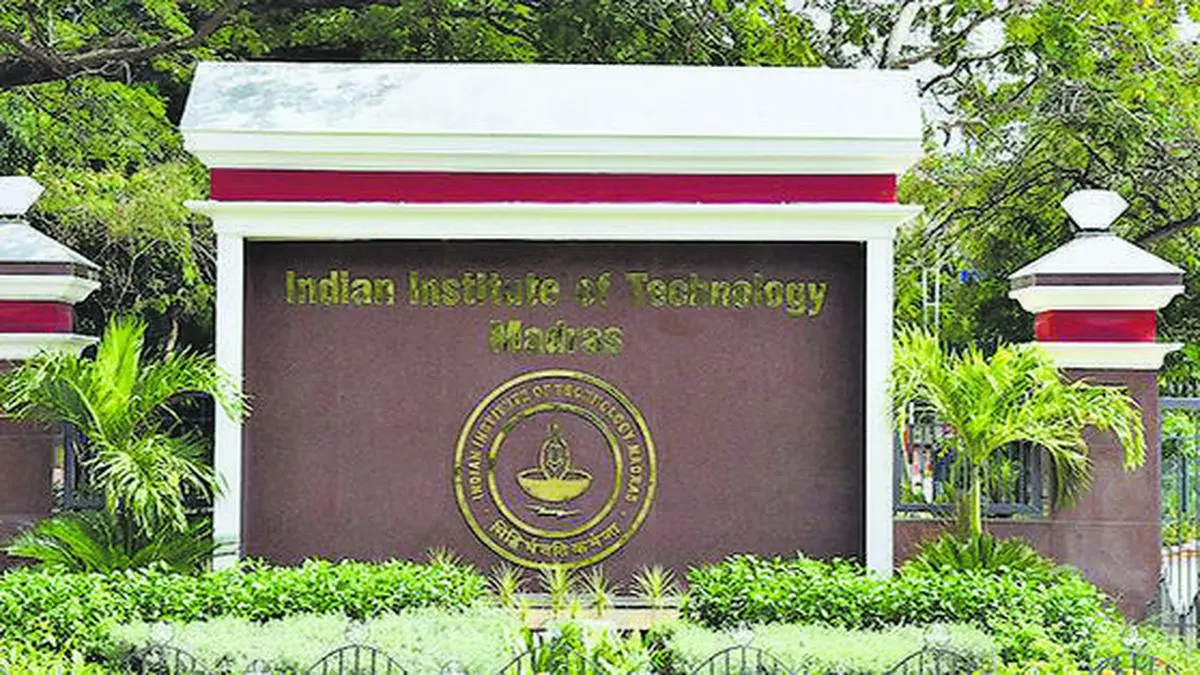
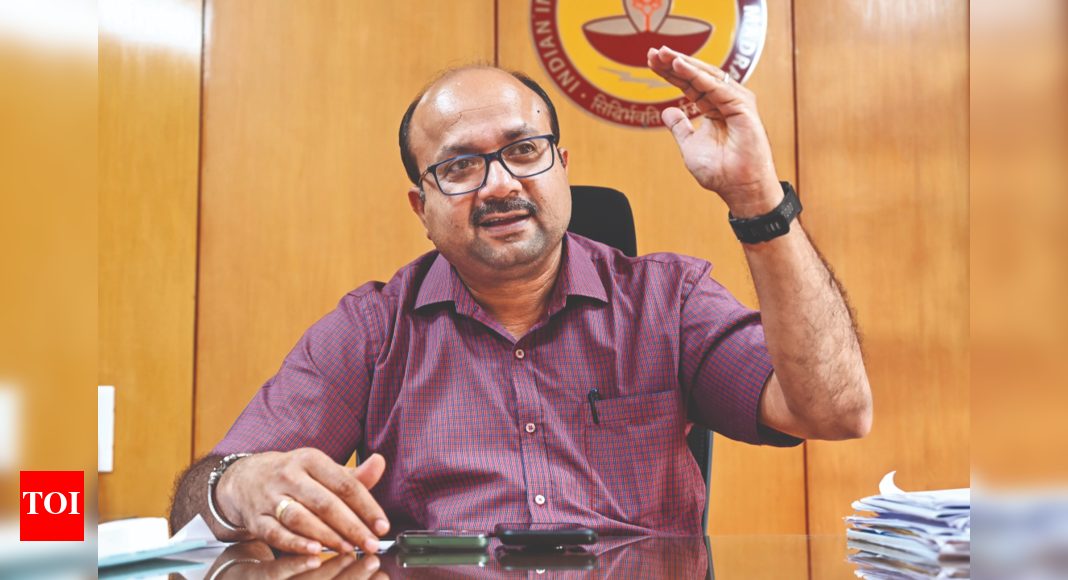
Chennai: The Indian Institute of Technology (IIT) Madras has emphasized the importance of existing laws in regulating Artificial Intelligence (AI) technology in India. Professor Ravindran from IIT Madras stated that the current legal framework is adequate for governing AI applications, provided that it is effectively utilized and adapted to address emerging challenges.
Government Guidelines and AI Oversight
Recently, the Indian government released guidelines outlining the responsibilities of companies and users in the realm of AI. Professor Ravindran highlighted that the AI Centre, known as the Centre for Responsible AI (CeRAI) at IIT Madras, has been actively studying these guidelines to foster safe and responsible AI adoption.
On October 7, a discussion was held on the IIT Madras campus regarding the effective management of AI technology. During this meeting, CeRAI presented its recommendations and a safety framework aimed at ensuring the responsible use of AI.
Regulatory Framework for AI
Professor Ravindran articulated that there is no need for new regulations specifically targeting AI technology. He stated, “It is wrong to say that there are no separate regulatory rules for AI technology. The existing laws are sufficient to control AI technology.” He emphasized the need to hold accountable those who misuse AI applications, such as deepfake technology.
He further explained that the focus should be on adapting existing laws rather than creating new ones. “When deepfake technology is misused, it is the responsibility of the individual or entity that misused it, not the technology itself,” he noted.
Public Awareness and Education
Raising public awareness about AI technology is crucial, according to Professor Ravindran. He stressed the importance of creating frameworks that promote wider adoption of AI while educating users across various sectors, including government officials and legal professionals.
“AI technology has reached the people faster than the Internet. It is being used more in India than in many other countries,” he stated. As a result, it is imperative to ensure that users understand the capabilities and limitations of AI technology.
Formation of AI Coordination Committee
Professor Ravindran proposed the establishment of an AI coordination committee comprising representatives from both central and state governments. This committee would be responsible for monitoring AI developments and ensuring that regulations evolve in tandem with technological advancements.
“The impact of AI technology spans across all sectors, and therefore, a coordinated approach is essential,” he explained. He also mentioned that the Indian Mission has initiated efforts to digitize government structures and provide training in AI.
Accountability of AI Companies
In discussing the responsibilities of AI companies, Professor Ravindran stated that these organizations must disclose the nature of the information they provide through AI applications. “The information provided by AI companies, including images, must be clearly labeled as AI-generated,” he said.
He also called for companies to report AI-related incidents promptly, similar to the protocols already in place for cybercrimes. This accountability is vital for maintaining trust in AI technologies.
AI and Healthcare
Professor Ravindran cautioned against blindly trusting AI-generated medical advice. He advised that individuals should consult healthcare professionals before acting on information provided by AI systems. “We should not take the medicine prescribed by AI as it is,” he warned, advocating for a collaborative approach where AI serves as a tool to assist medical professionals rather than replace them.
Conclusion
In summary, IIT Madras has taken a proactive stance on the regulation and oversight of AI technology in India. The existing legal framework, when properly utilized and adapted, can effectively govern AI applications. Public awareness and education, along with the formation of a dedicated AI coordination committee, are essential steps toward ensuring the safe and responsible use of AI in the country.
Note: The information presented in this article is based on statements made by Professor Ravindran and reflects the current discourse on AI regulation in India as of December 2025.