DMRC & TiHAN-IITH Collaboration to Boost Autonomous Transport
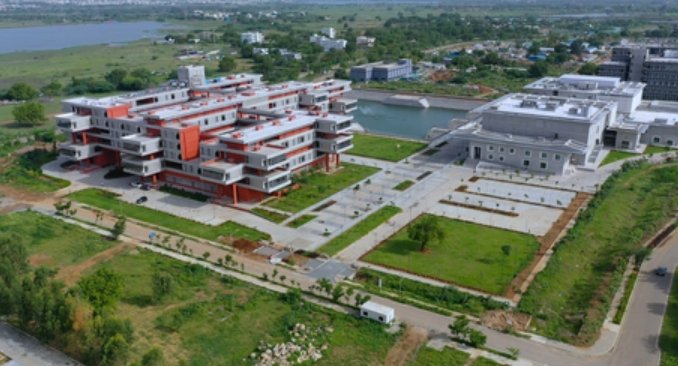
In a significant advancement for urban mobility in India, the Delhi Metro Rail Corporation (DMRC) has entered into a strategic partnership with the Technology Innovation Hub on Autonomous Navigation (TiHAN) at the Indian Institute of Technology Hyderabad (IITH). This collaboration aims to develop next-generation autonomous and intelligent transport solutions, marking a pivotal moment in the evolution of transportation in urban areas.
Overview of the Collaboration
The Memorandum of Understanding (MoU) was formalized on December 5, 2025, bringing together DMRC’s extensive operational expertise and TiHAN-IITH’s cutting-edge research capabilities. This partnership is set to focus on a variety of innovative technologies, including:
- Driverless vehicles
- Robotics
- Autonomous drones
- Intelligent transport systems
- Navigation technologies
The primary goal of this collaboration is to enhance last-mile connectivity and improve the overall commuter experience in urban environments.
Significance of the Partnership
The collaboration between DMRC and TiHAN-IITH is particularly significant for several reasons:
1. Enhancing Urban Mobility
Urban mobility is a critical issue in densely populated cities like Delhi. By integrating autonomous transport solutions, the partnership aims to alleviate congestion and improve the efficiency of public transport systems.
2. Leveraging Advanced Technologies
TiHAN-IITH is renowned for its expertise in cyber-physical systems and real-time data acquisition. This knowledge will be instrumental in developing intelligent systems that can adapt to the dynamic needs of urban transport.
3. Government Support
The initiative is supported by the Department of Science and Technology’s National Mission on Cyber-Physical Systems, which underscores the government’s commitment to advancing technology in public transport.
Key Areas of Focus
The partnership will concentrate on several key areas that are vital for the future of urban transport:
Driverless Vehicles
One of the most exciting aspects of this collaboration is the development of driverless vehicles. These vehicles promise to enhance safety by reducing human error, which is a significant factor in road accidents.
Robotics and Autonomous Drones
Robotics and drones will play a crucial role in logistics and delivery services, making last-mile connectivity more efficient. Autonomous drones can be utilized for various applications, including surveillance and monitoring of urban infrastructure.
Intelligent Transport Systems
Intelligent transport systems will use data analytics and real-time information to optimize traffic flow and improve the overall efficiency of the transport network.
Navigation Technologies
Advanced navigation technologies will facilitate better route planning and management, ensuring that commuters have access to the most efficient travel options.
Expected Outcomes
The DMRC and TiHAN-IITH collaboration is expected to yield several positive outcomes for urban transport:
- Increased Safety: With the introduction of autonomous vehicles and intelligent systems, the safety of commuters is expected to improve significantly.
- Improved Efficiency: The integration of advanced technologies will streamline operations, making metro services more reliable and efficient.
- Future-Ready Infrastructure: The collaboration aims to create a transport infrastructure that is equipped to handle future challenges in urban mobility.
- Enhanced Commuter Experience: By focusing on last-mile connectivity and intelligent systems, the overall experience for commuters is set to improve.
Conclusion
The partnership between DMRC and TiHAN-IITH represents a forward-thinking approach to addressing the challenges of urban mobility in India. By harnessing the power of technology, this collaboration is poised to revolutionize public transport, making it safer, more efficient, and better suited to the needs of modern commuters. As the project progresses, it will be essential to monitor its implementation and impact on the urban transport landscape.
Note: The information provided in this article is based on the latest updates available as of December 2025.