Delhi Jal Board Turns to AI for Water Infrastructure Management
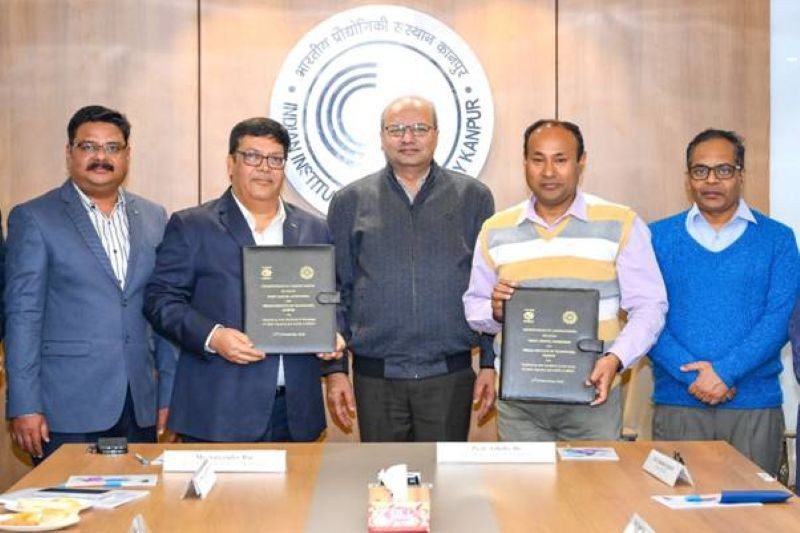
The Delhi Jal Board (DJB) has taken a significant step towards modernizing its operations by signing a Memorandum of Understanding (MoU) with the Indian Institute of Technology (IIT) Kanpur. This collaboration aims to integrate Artificial Intelligence (AI) into the management of water resources and sewage treatment in Delhi, addressing critical challenges in water supply and quality.
Integration of AI in DJB Operations
The DJB’s initiative to incorporate AI technology is a response to the growing need for efficient water management systems in urban areas. The partnership with IIT Kanpur’s Airawat Research Foundation focuses on developing AI-driven solutions that will enhance the performance of Delhi’s water and wastewater networks.
Key Objectives of the Partnership
The MoU outlines several key objectives aimed at improving water management through advanced technology:
- AI-Driven Solutions: The collaboration will focus on reducing non-revenue water, which refers to water that is produced but not billed to customers. This is crucial for improving the overall efficiency of the water supply system.
- Predictive Maintenance: Implementing AI will enable predictive maintenance of water and sewage treatment plants, ensuring that potential issues are identified and addressed before they escalate into major problems.
- Real-Time Monitoring: The integration of AI will facilitate real-time monitoring of the water and sewage treatment processes, enhancing operational efficiency and response times.
Digital Twin Technology
One of the innovative approaches to be employed is the use of Digital Twin Technology. This involves creating virtual replicas of the DJB’s water systems, which will allow for:
- Early detection of leakages and pressure drops.
- Identification of system inefficiencies.
- Enhanced planning and management of water resources.
AI-Enabled Public Grievance Redressal
The collaboration will also focus on improving public services through AI-enabled grievance redressal systems. This initiative aims to:
- Ensure faster resolution of public complaints regarding water supply and quality.
- Provide accurate billing information to consumers.
- Support initiatives like the Clean Yamuna Mission by monitoring wastewater discharge and pollution sources.
Groundwater Management
Groundwater management is another critical area where AI will play a significant role. The partnership aims to enhance:
- Monitoring and recharge planning using data from borewells, sensors, and satellite imagery.
- Real-time tracking of groundwater levels to ensure sustainable management of Delhi’s aquifers.
- Utilization of predictive analytics for informed decision-making regarding water demand and recharge zones.
Data Privacy and Compliance
As the DJB integrates AI into its operations, data privacy and compliance will remain a top priority. The ownership of data will remain with the DJB, ensuring that sensitive information is handled responsibly and in accordance with regulations.
Conclusion
The collaboration between the Delhi Jal Board and IIT Kanpur marks a significant advancement in the use of technology for water management. By leveraging AI, the DJB aims to address the pressing challenges of water supply and sewage treatment in Delhi, ultimately leading to improved service delivery and sustainability. This initiative not only promises to enhance operational efficiency but also contributes to the broader goal of environmental conservation and public health.
Note: This article is based on the latest developments as of October 2023 and aims to provide an overview of the partnership between the Delhi Jal Board and IIT Kanpur.