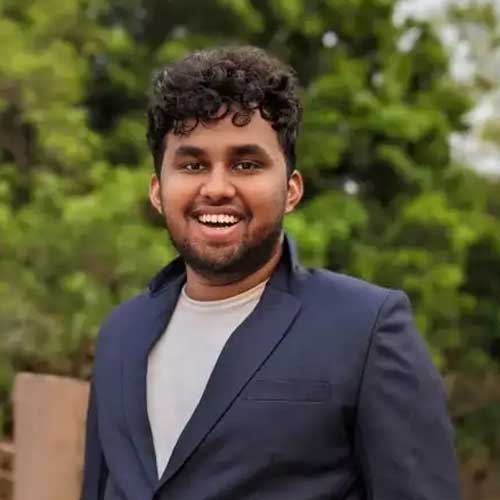
Calcutta University must emerge as key stakeholder in global knowledge ecosystem: IIT Kharagpur director
Kolkata, March 24, 2026 – In a compelling keynote address at the University of Calcutta’s convocation, Suman Chakraborty, the Director of IIT Kharagpur, emphasized the necessity for the over 160-year-old institution to become a pivotal player in the global knowledge ecosystem. His remarks highlighted the importance of collaboration and innovation in higher education.
The Call for Global Integration
Chakraborty urged universities to avoid functioning as isolated entities. He stated, “Universities should not function as isolated islands but become part of a global ecosystem to evolve in a truly functional network of knowledge sharing.” This perspective aligns with the growing trend of interconnectedness in academia, where knowledge is increasingly shared across borders.
Encouraging Curiosity and Innovation
During his address, Chakraborty encouraged students and researchers to remain curious and proactive in their pursuits. He advised them, “Don’t seek permission, but do it. History does not permit permission.” This call to action is particularly relevant in today’s fast-paced world, where innovation often stems from bold ideas and risk-taking.
Measuring Success Beyond Rankings
Chakraborty challenged conventional metrics of success in academia. He suggested that rather than focusing solely on rankings, students should ask themselves, “Have we expanded frontiers?” This shift in perspective encourages a broader understanding of achievement, emphasizing exploration and discovery over mere numerical evaluations.
Leveraging Science and Technology
The IIT Kharagpur Director also underscored the importance of utilizing science and technology to address real-world problems. He stated, “Use science and technology to define and solve problems.” This approach reflects a growing recognition of the role that scientific inquiry plays in societal advancement.
The Legacy of Intellectual Thought in Bengal
Chakraborty drew inspiration from Bengal’s rich intellectual heritage, referencing figures such as Raja Rammohan Roy and Rabindranath Tagore. He noted that their liberal ideas have inspired generations and continue to resonate beyond traditional academic frameworks. This historical context serves to remind current students of the potential impact of their contributions to society.
The Role of Artificial Intelligence
On the topic of artificial intelligence, Chakraborty acknowledged its capabilities in generating precise answers but pointed out its limitations in formulating profound questions. He remarked, “AI raises the possibility of new ways of thinking and can usher in the era of another renaissance which can contribute to India’s advancement in scientific research.” This perspective highlights the dual nature of AI as both a tool and a catalyst for deeper inquiry.
Emphasizing Research and Inquiry
Chakraborty emphasized that revolutions in knowledge often begin with questions rather than answers. He stated, “Revolution in knowledge rarely begins from answers but from questions.” This insight encourages students to cultivate a mindset geared towards inquiry and exploration, fostering an environment where innovative ideas can flourish.
Strengthening Academic and Administrative Capacities
In response to the rapidly changing landscape of education, Vice Chancellor Asutosh Ghosh echoed Chakraborty’s sentiments, stressing the need for evolving knowledge systems. He stated, “Knowledge systems and pedagogical requirements are shifting at a breathtaking pace. The CU, like other educational institutions, must evolve accordingly and keep the momentum.” Ghosh highlighted the importance of enhancing the academic and administrative capacities of affiliated colleges, deepening industry-academia ties, and expanding international collaborations.
Building Infrastructure for Interdisciplinary Research
Ghosh also emphasized the necessity of building infrastructure to support interdisciplinary research. As academic disciplines increasingly overlap, fostering collaboration across fields becomes essential for addressing complex global challenges.
Conclusion
The call for Calcutta University to emerge as a key stakeholder in the global knowledge ecosystem is not just a challenge but an opportunity. By embracing collaboration, innovation, and a spirit of inquiry, the university can position itself at the forefront of academic advancement. As both Chakraborty and Ghosh articulated, the future of education lies in adapting to change and fostering a culture of curiosity and exploration.
Note: The insights shared in this article reflect the views expressed during the convocation at the University of Calcutta and highlight the ongoing evolution of higher education in a global context.