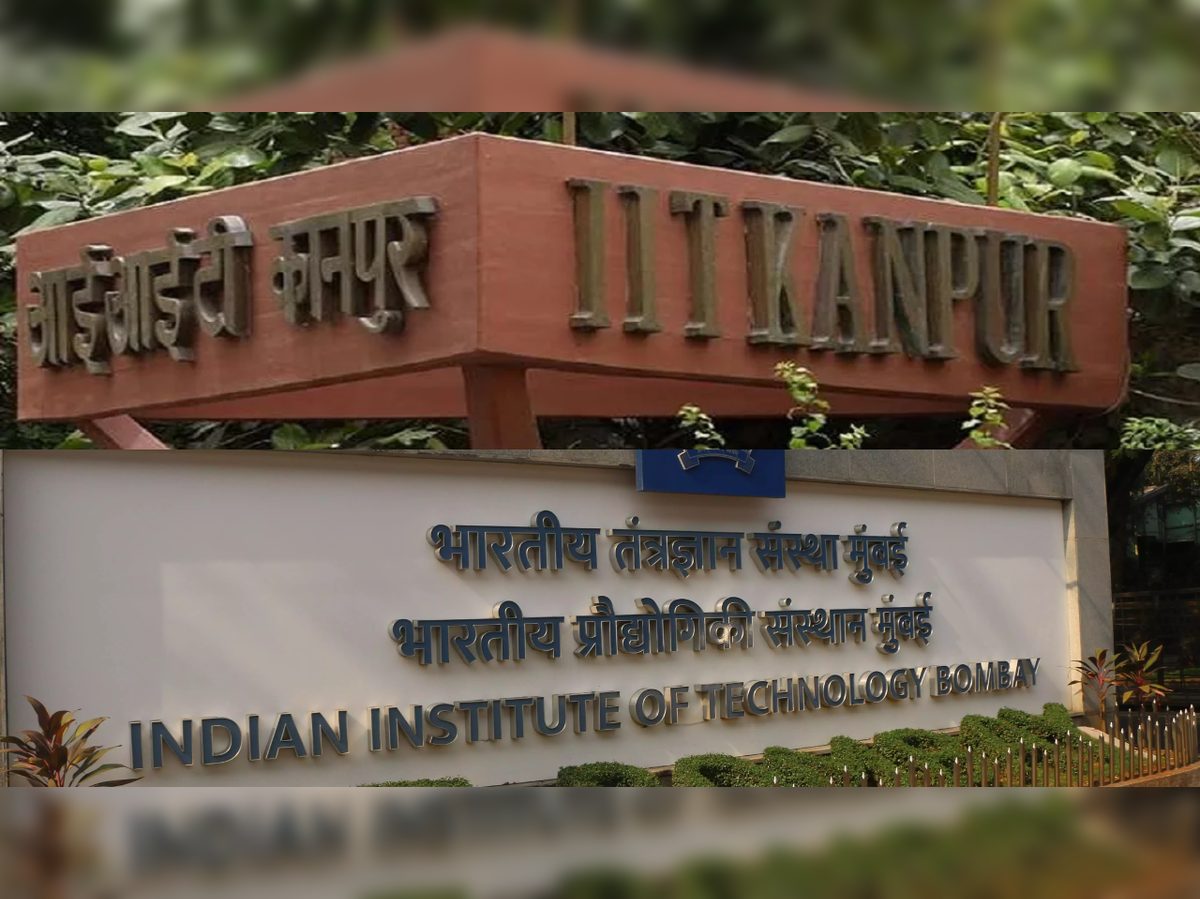
IIT Kanpur Clears D2M Broadcasting: No Harmful Interference or Device Overheating
On November 24, 2025, the Indian Institute of Technology Kanpur (IIT-K) announced that its comprehensive testing of Direct-to-Mobile (D2M) broadcasting technology has shown no harmful interference with existing mobile networks, nor any abnormal heating of devices during operation. This marks a significant milestone in India’s efforts to enhance its broadcasting capabilities.
Background of D2M Broadcasting
The public broadcaster, Prasar Bharati, had sought IIT Kanpur’s expertise earlier this year due to concerns raised by various stakeholders about the potential for interference with 4G and 5G mobile networks, as well as fears regarding device overheating when D2M broadcasts are active. The D2M initiative aims to deliver high-quality content directly to mobile phones, alleviating bandwidth pressure on telecom networks and providing new monetization opportunities for broadcasters.
Testing Methodology
The testing, conducted on November 14, 2025, at a facility operated by Aracion Technology Pvt. Ltd. in Bengaluru, focused on two main areas:
- Thermal behavior of D2M-enabled smartphones during audio-video playback.
- Interference impact on user equipment (UE) receiver sensitivity across LTE and 5G NR bands.
The smartphone used for testing was the ATSC 3.0-compliant Tejas Networks “MarkOne” device, while the D2M transmitter evaluated was the 40W Broadcast Radio Head (BRH), model YOGA40W01.
Results of Thermal Testing
The thermal tests compared the temperature profiles of the MarkOne smartphone during D2M playback with those during regular cellular streaming of similar-resolution content. Using a Fluke TiS60+ thermal camera, engineers recorded surface temperatures on both the front and back panels over a period of 180 minutes.
The findings indicated:
- During D2M playback, back-side temperatures ranged from 33.6°C to 34.7°C.
- The front surface temperatures ranged from 35°C to 35.7°C.
- These temperatures were comparable to those observed during playback over the 4G cellular network, where back-side temperatures were between 32°C and 33.5°C, and front temperatures remained around 33°C to 35.2°C.
The device maintained stable thermal behavior under both conditions, with no abnormal heat buildup observed during prolonged D2M operation. The laboratory certified the smartphone as passing all thermal acceptance criteria defined in the test methodology.
Interference Testing Results
One of the critical aspects of the testing involved assessing the interference between D2M broadcast signals and mobile network operations, particularly within the 3GPP-defined IMT bands such as n71, n28, and n5. Tests were conducted in both conducted and radiated environments using industry-standard equipment, including a Keysight UXM 5G test system.
Key findings from the interference testing included:
- The smartphone demonstrated receiver sensitivity levels of –90 to –92 dBm across the tested bands without interference.
- When D2M transmission was introduced, the sensitivity remained unchanged, indicating no desensitization.
- Downlink and uplink throughput remained above 95% of baseline performance, even when the D2M signal was radiated at full-power 40W output.
Additionally, the BRH transmitter underwent spurious emission analysis, with all measured emissions comfortably below the 3GPP Category B base station limits.
Conclusion of Testing
The final conclusion from the testing states that the D2M Broadcast Radio Head operating in the 470–582 MHz frequency band does not introduce any harmful interference or degrade the performance of IMT user equipment in commercial cellular bands. Furthermore, the thermal behavior of D2M-enabled smartphones remains within acceptable operational boundaries.
Future of D2M Broadcasting in India
The Ministry of Information and Broadcasting (MIB) has appointed Ernst & Young (EY) as the project management consultant to design a national D2M roadmap, which will include a sustainable revenue and business model. The initiative, led by Prasar Bharati, aims to enable multimedia content—including videos, news, and emergency alerts—to be broadcast directly to mobile devices without relying on internet connectivity, similar to FM radio for the digital age.
Note: The successful implementation of D2M broadcasting technology could revolutionize content delivery in India, providing significant benefits to both consumers and broadcasters.