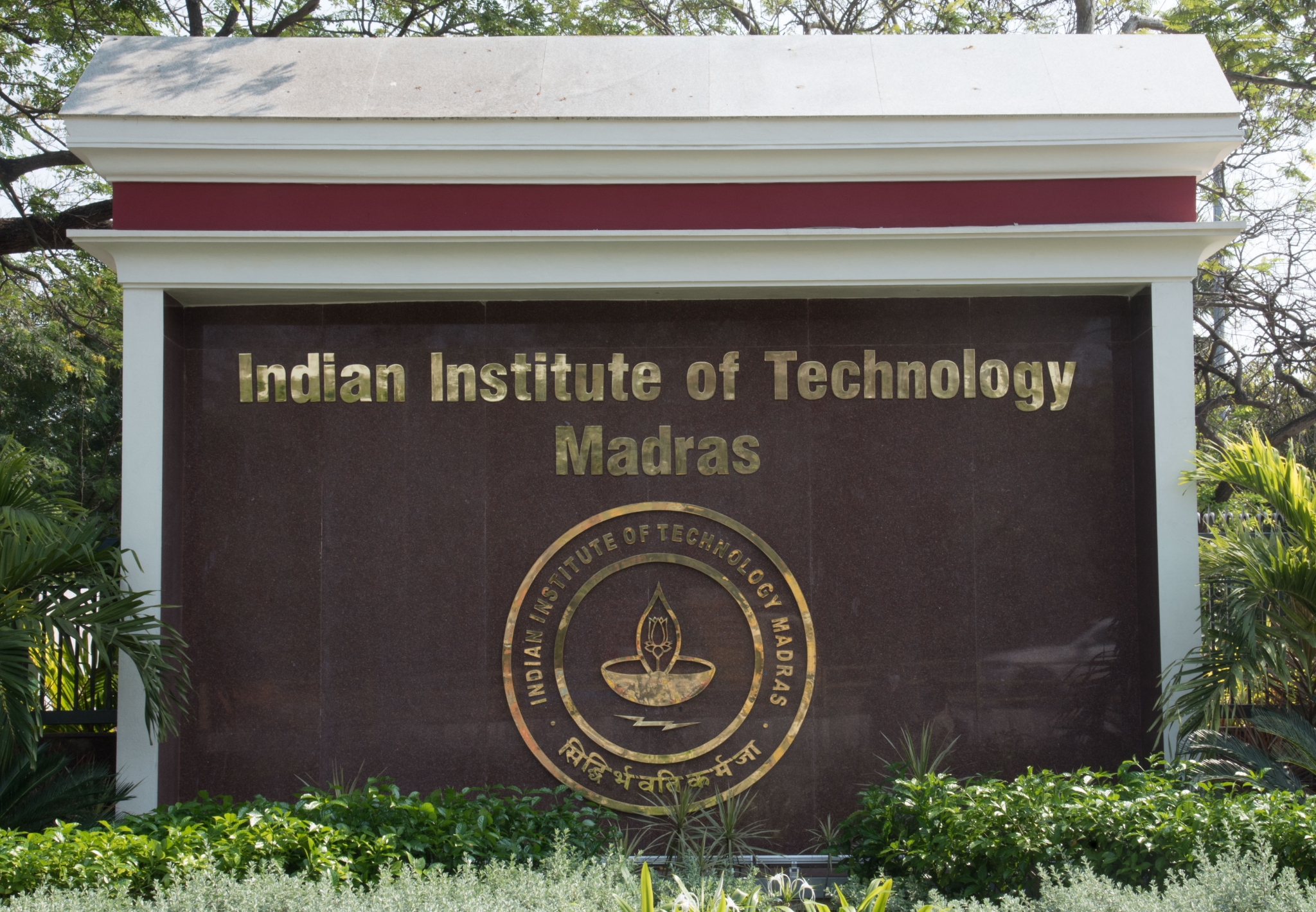
IIT Madras Hosts Event on Safe and Trusted AI
On December 10th and 11th, 2025, IIT Madras organized a significant two-day meeting focused on the safety and reliability of Artificial Intelligence (AI). This event brought together leaders from various sectors to discuss the governance of AI and the development of shared tools aimed at ensuring that AI systems are trustworthy, reliable, and safe for widespread use.
Purpose of the Event
The primary objective of the meeting was to establish simple and effective rules for AI governance. The discussions also emphasized the importance of collaboration among stakeholders to create a shared repository of safety tools, including data, software, and guidelines. A particular focus was placed on developing AI governance frameworks that are suitable for developing countries, often referred to as the Global South.
Global Context
This meeting at IIT Madras is part of a broader international effort to address AI safety, aligning with other global initiatives such as the UK AI Safety Summit, the AI Seoul Summit, the France AI Action Summit, and the upcoming Global AI Summit in Africa. The insights and strategies developed during this event are expected to play a crucial role in the preparations for the India AI Impact Summit scheduled for 2026.
Significance of the India AI Impact Summit
The India AI Impact Summit is poised to be a landmark event, as it will be the first major global AI summit hosted in a developing region. The discussions and outcomes from the IIT Madras meeting are intended to position India as a leading authority in the development of safe and trusted AI technologies.
Keynote Speakers and Discussions
The event commenced with a keynote address from Mr. TRB Rajaa, a prominent government minister from Tamil Nadu. The gathering included influential figures from IIT Madras, high-ranking officials from government agencies, representatives from major corporations, academic institutions, and international AI organizations.
During the event, speakers highlighted the increasing reliance on AI for making critical decisions across various sectors. They underscored the necessity for clear and practical implementation of rules that ensure AI systems are responsible and equitable.
Insights from IIT Madras Leadership
The director of IIT Madras, V Kamakoti, provided valuable insights into the relevance of such meetings. He noted that AI has become an integral part of daily life and is being leveraged for complex tasks, including decision-making in health and education. Kamakoti pointed out that many AI tools, often referred to as “co-pilots,” are already being utilized by individuals to assist in important choices, even before the term “co-pilot” became widely adopted.
Collaborative Efforts for AI Safety
The discussions at the meeting revolved around the need for a collaborative approach to AI safety. Participants emphasized the importance of sharing knowledge and resources to create a unified framework for AI governance. This collaborative spirit is essential for developing AI technologies that are not only innovative but also ethical and responsible.
Future Directions
As the world moves towards an increasingly AI-driven future, the need for robust safety measures becomes more critical. The outcomes of the IIT Madras meeting are expected to inform future policies and practices in AI development, ensuring that advancements in technology do not compromise safety or ethical standards.
Conclusion
The IIT Madras event on Safe and Trusted AI marks a significant step forward in the global discourse on AI governance. By bringing together leaders from various sectors, the meeting has laid the groundwork for a collaborative approach to AI safety, particularly in the context of developing countries. The insights gained from this event will contribute to the preparations for the India AI Impact Summit in 2026, positioning India as a key player in the global AI landscape.
Note: The information presented in this article is based on the event held at IIT Madras and aims to provide insights into the discussions and outcomes related to AI safety and governance.