Delhi Government and IIT Kanpur Collaborate on AI System for Pollution Mitigation
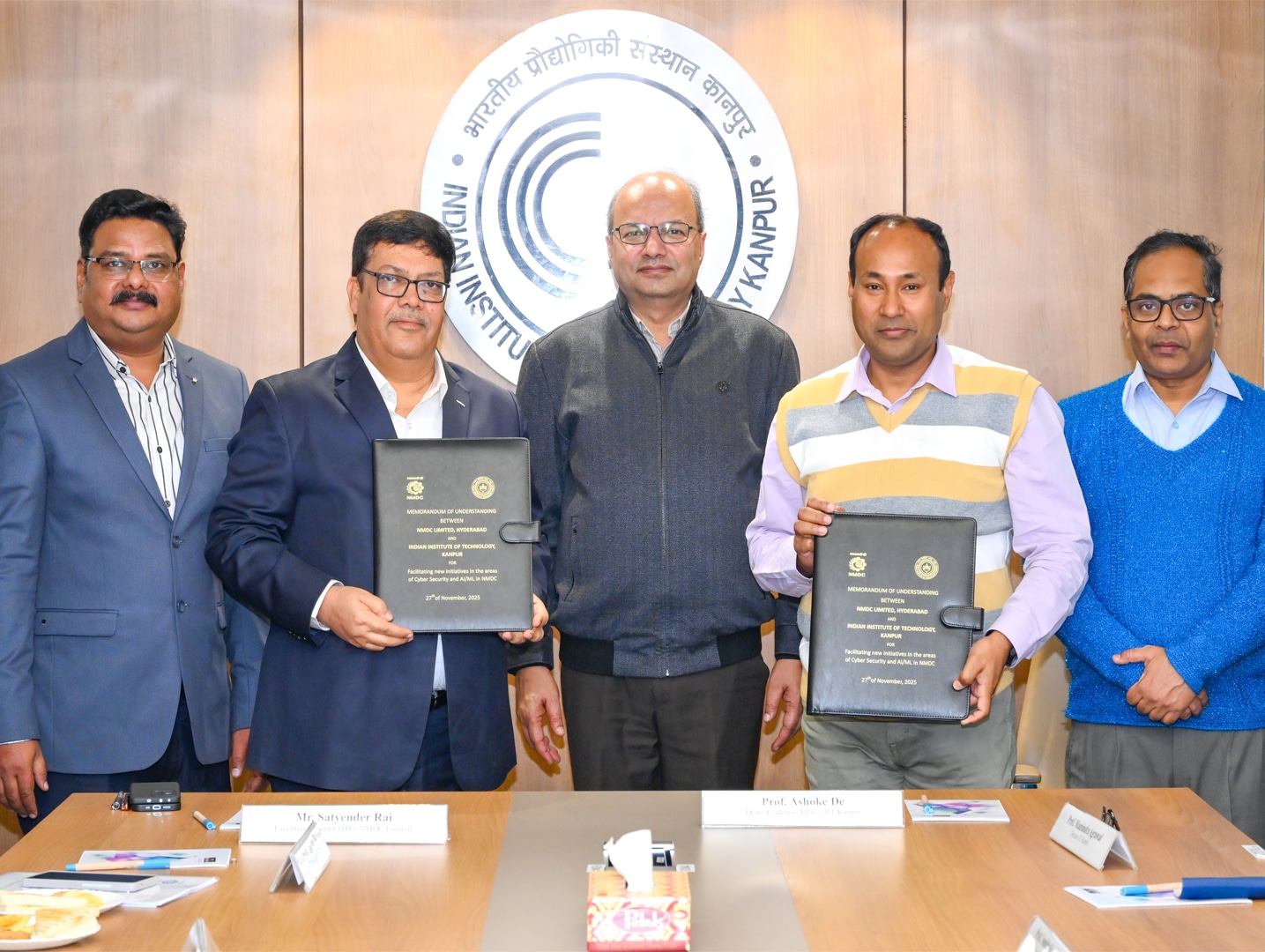
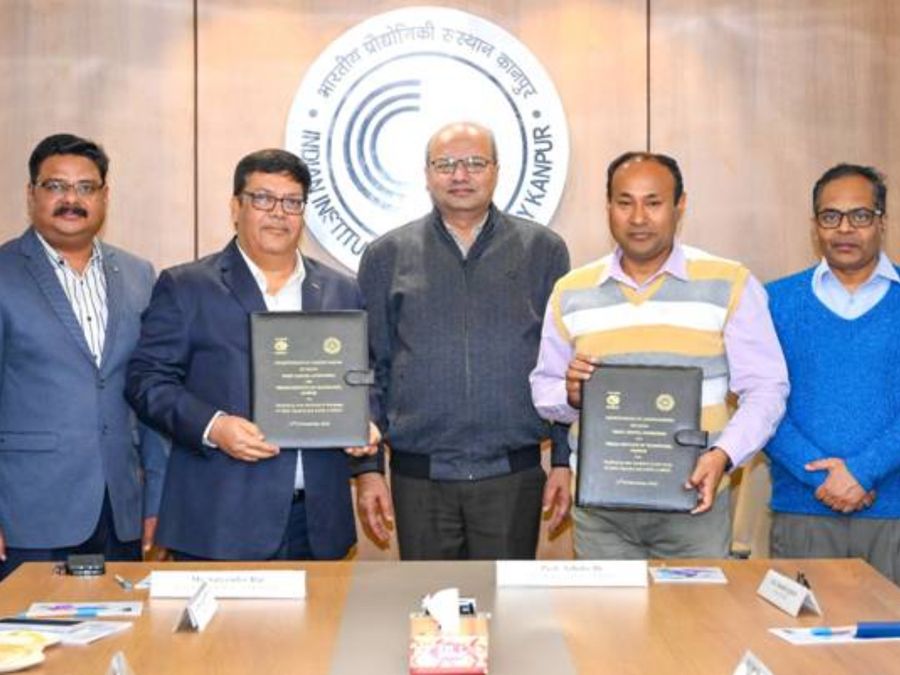
The Delhi Government has announced a significant collaboration with the Indian Institute of Technology (IIT) Kanpur to develop an Artificial Intelligence (AI)-enabled decision support system aimed at tackling the city’s persistent pollution problems. This initiative is designed to leverage hyperlocal data and scientific methodologies to create a comprehensive strategy for year-round air quality improvement.
Overview of the Initiative
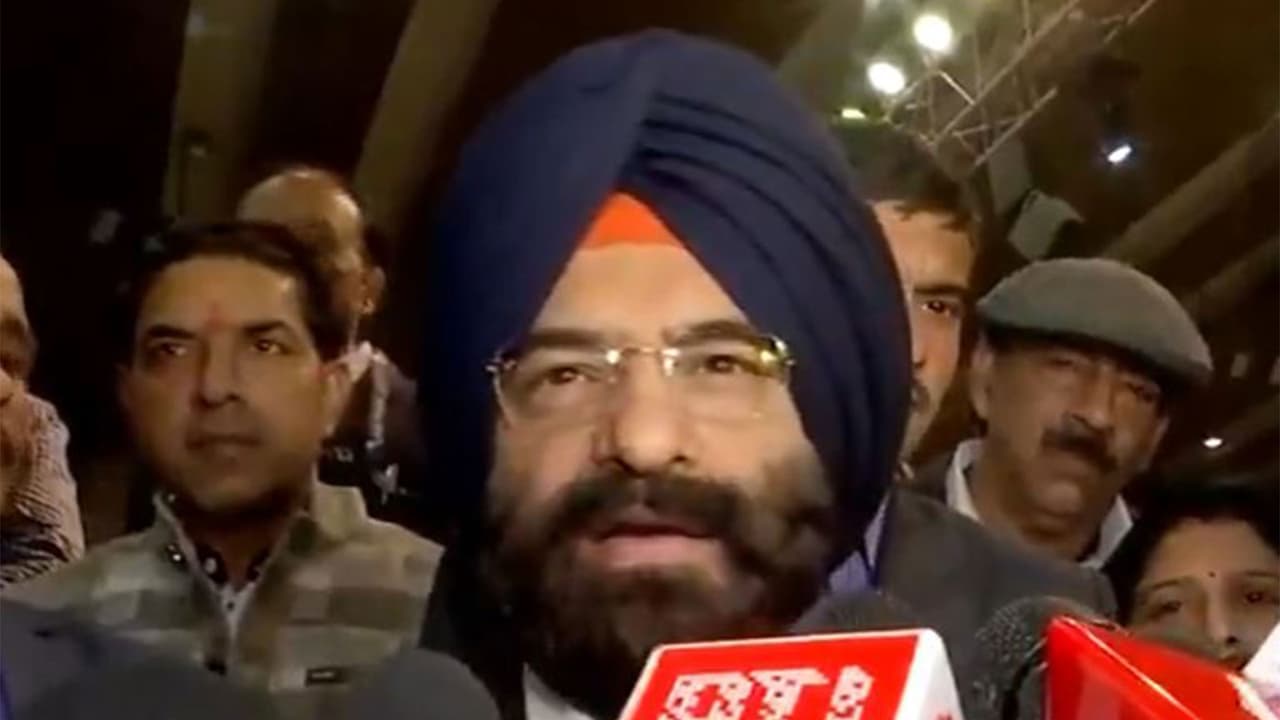
Environment Minister Manjinder Singh Sirsa revealed that the collaboration will focus on data-driven pollution mitigation strategies. The proposed AI system will utilize advanced technologies such as hyperlocal source apportionment, sensor-based monitoring, and satellite data to identify and target pollution sources effectively.
Goals of the Collaboration
The primary goals of this collaboration include:
- Developing a decision support system that utilizes real-time data for pollution control.
- Implementing a clean air strategy that is scientifically backed and coordinated across multiple agencies.
- Enhancing the city’s ability to identify pollution sources accurately and implement timely interventions.
AI-Powered Strategy for Clean Air
The Delhi Government is preparing a ‘whole-of-government’ clean air framework that will integrate various departments, civic agencies, and districts in the National Capital Region (NCR) into a unified data platform. This coordinated approach aims to improve action, enforcement, and monitoring of pollution levels across the city.
Minister Sirsa emphasized that the government is moving towards a model where policy decisions are informed by real-time data, precise source identification, and measurable outcomes. “Delhi will fight pollution with science, evidence, and accountability,” he stated. “Every effort must show measurable impact on the city’s air and bring a visible change that people can feel.”
Advanced Intelligence Systems
The collaboration with IIT Kanpur will focus on building advanced air quality intelligence systems. These systems will continuously monitor, analyze, and forecast pollution trends, enabling targeted interventions across various sectors. This proactive approach is expected to replace the current reactive and seasonal methods of pollution control.
Dynamic Source Apportionment
A critical component of the strategy is dynamic source apportionment. This scientific method will assess the contributions of various factors, such as:
- Dust
- Vehicular emissions
- Industrial activity
- Biomass burning
- Regional pollution factors
This evidence-based approach will empower authorities to take sharper, more effective action at the sources of pollution.
Multi-Agency Coordination
Sirsa highlighted the importance of multi-agency coordination in achieving the pollution mitigation goals. He stated that municipal bodies, district administrations, and enforcement agencies must operate on shared scientific evidence, with clearly defined roles and accountability mechanisms. This collaborative effort is essential for the successful implementation of the clean air strategy.
Current Anti-Pollution Measures
In conjunction with the new AI initiative, the Delhi Government is actively addressing pollution through various measures. These initiatives focus on four major fronts:
- Controlling vehicular emissions
- Dust control
- Regulating polluting industries
- Improving waste management
Recent enforcement actions include inspections of 250 small and 92 large construction and demolition sites. Additionally, 6,291 kilometers of roads were mechanically swept, and 1,694 kilometers were sprinkled with water to mitigate dust. The government also deployed 405 anti-smog guns and removed over 12,000 metric tonnes of garbage in a single day.
As part of its vehicular pollution control efforts, authorities issued 7,023 challans and diverted 65 non-destined trucks via the Eastern and Western Peripheral Expressways, helping to decongest 41 traffic bottlenecks. The government also addressed 58 public complaints received through mobile applications and social media platforms.
Commitment to Cleaner Air
The Delhi Government has reiterated its commitment to strengthening institutional capacity and adopting best-in-class scientific expertise to ensure cleaner air for its citizens on a sustained basis. Further details regarding the proposed collaboration with IIT Kanpur and its implementation roadmap are expected to be released after formal deliberations.
Conclusion
The collaboration between the Delhi Government and IIT Kanpur represents a significant step towards leveraging technology in the fight against air pollution. By focusing on data-driven strategies and multi-agency coordination, this initiative aims to create a cleaner, healthier environment for the residents of Delhi.
Note: This article is based on information available as of December 28, 2025, and may be subject to updates as new developments arise.