7 Indian Institutes Make QS Asia Top 100; IIT-Delhi Tops Again
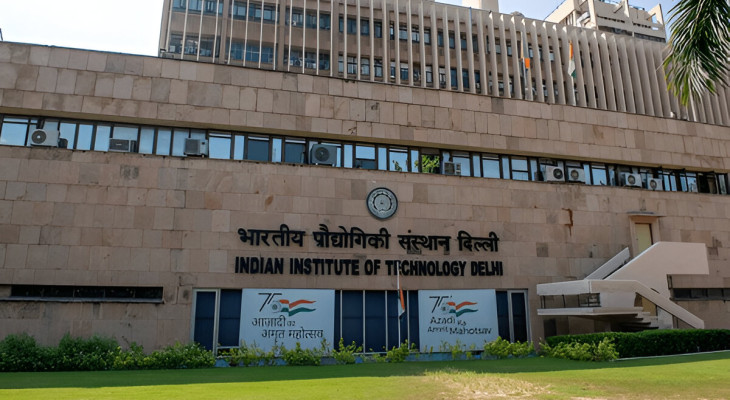
In a significant achievement for Indian higher education, seven institutes have made it to the QS Asia University Rankings’ top 100 list for 2023. This includes five prestigious Indian Institutes of Technology (IITs), the Indian Institute of Science (IISc) in Bengaluru, and Delhi University. The rankings were unveiled by QS, a London-based education consultancy, on Tuesday.
Top Indian Institutions in QS Asia Rankings
The following Indian institutions have secured their positions in the top 100 of the QS Asia University Rankings:
- IIT Delhi
- IIT Madras
- IIT Bombay
- IIT Kanpur
- IIT Kharagpur
- Indian Institute of Science (IISc), Bengaluru
- Delhi University
IIT-Delhi: The Leading Institution
IIT-Delhi has once again emerged as the top-ranked Indian institution, securing the 59th position in the overall Asia rankings. This marks the fifth consecutive year that IIT-Delhi has held this prestigious title. The institute has consistently demonstrated excellence in education and research, contributing significantly to India’s reputation in the global academic landscape.
Overall Performance of Indian Institutes
According to QS, a total of 20 Indian institutions ranked in the top 200, while 66 made it to the top 500. The rankings highlight the growing presence and influence of Indian higher education on the Asian stage. The report indicates that:
- 36 Indian institutes improved their rankings compared to the previous year.
- 16 institutions maintained their positions.
- 105 institutions experienced a decline in their rankings.
Factors Influencing the Rankings
The QS rankings are known for their rigorous methodology, which assesses universities based on various criteria, including academic reputation, employer reputation, faculty/student ratio, international faculty ratio, and international student ratio. This year, the expansion of the rankings has resulted in greater volatility in the results, reflecting the dynamic nature of higher education in Asia.
India’s Position in Asia
India has emerged as a leader in Asia, particularly in terms of faculty qualifications. The QS report indicates that India ranks the highest in Asia for the proportion of staff holding a PhD. This is a testament to the quality of education and research being conducted across Indian universities, which is crucial for fostering innovation and development in the country.
Challenges and Opportunities Ahead
While the performance of Indian institutions in the QS Asia rankings is commendable, it also highlights the challenges that lie ahead. The decline in rankings for some institutions serves as a reminder of the need for continuous improvement and adaptation to global educational standards. Indian universities must focus on enhancing their research capabilities, international collaborations, and overall educational quality to maintain and improve their standings in future rankings.
Conclusion
The QS Asia University Rankings serve as an important benchmark for evaluating the performance of higher education institutions across the continent. The recognition of seven Indian institutes in the top 100 is a positive indicator of the progress being made in the Indian education sector. As these institutions continue to strive for excellence, they play a vital role in shaping the future of education and research in India and beyond.
Note: The information presented in this article is based on the QS Asia University Rankings released in 2023 and reflects the current standing of Indian institutions in the context of higher education.