
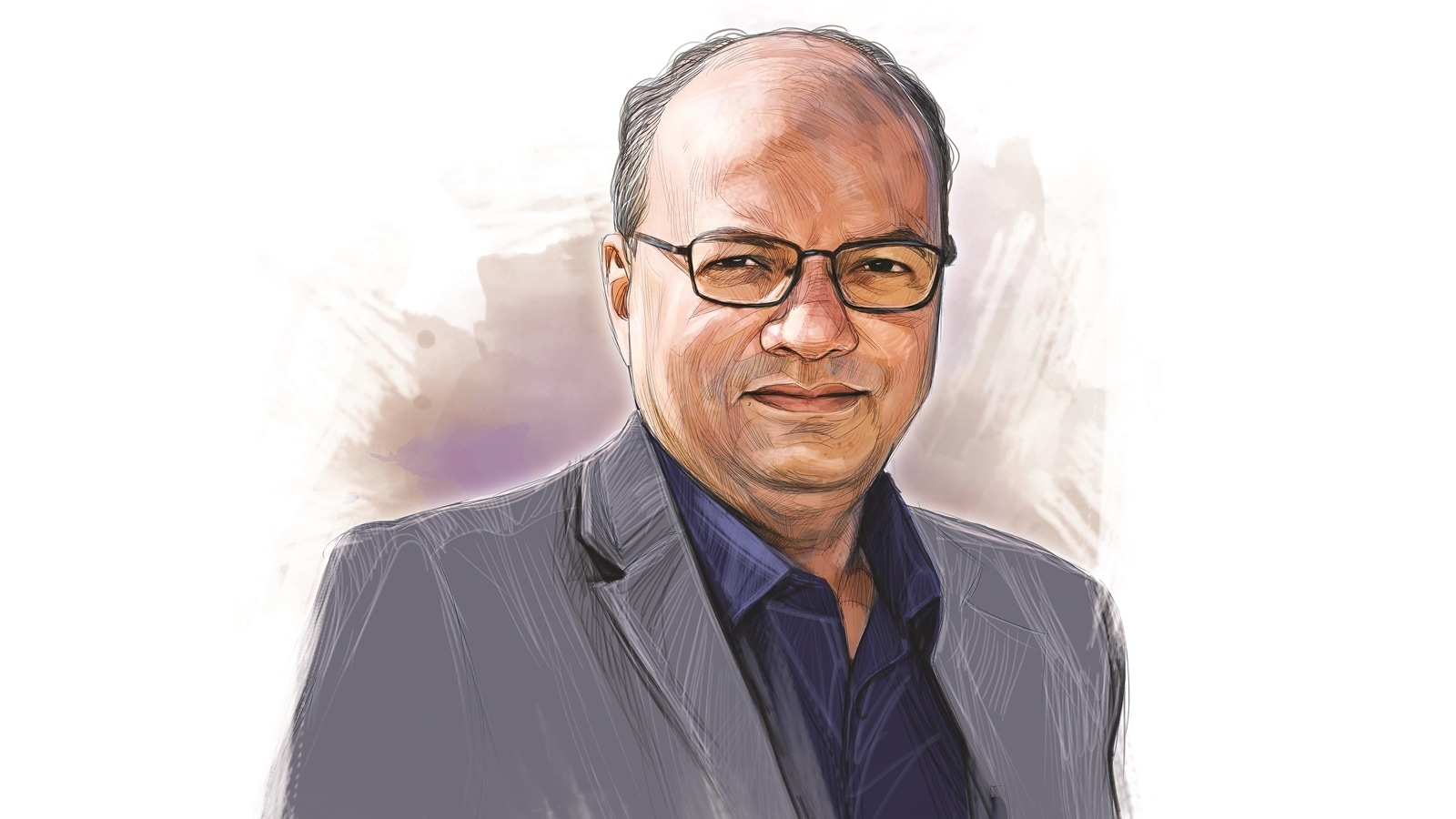
Manindra Agrawal at Idea Exchange: Faculty Freedom and Performance Attitudes
In a recent discussion at the Idea Exchange, Manindra Agrawal, a prominent academic and researcher, shared his insights on the delicate balance between academic freedom and performance expectations within educational institutions. Agrawal, known for his significant contributions to computer science and mathematics, emphasized the importance of allowing faculty members the liberty to explore their individual research interests while also addressing the implications of a permissive attitude towards non-performance.
The Importance of Academic Freedom
Agrawal began by highlighting the critical role of academic freedom in fostering innovation and creativity among faculty members. He stated, “While we provide freedom to our faculty to pursue their own activities, it is essential to recognize that this autonomy can lead to both remarkable achievements and, at times, a lack of accountability.” This statement reflects a common tension in academia, where the pursuit of knowledge must be balanced with the need for measurable outcomes.
Encouraging Individual Research
One of the key points Agrawal made during the exchange was the necessity of encouraging faculty to engage in research that resonates with their passions. He noted that when educators are allowed to explore their interests, it often leads to groundbreaking discoveries and advancements in their respective fields. “When faculty members are passionate about their work, they are more likely to produce high-quality research that benefits not only their institution but also the broader academic community,” he explained.
The Challenge of Non-Performance
However, Agrawal also expressed concern over the permissive attitude towards non-performance that can sometimes accompany academic freedom. He argued that while it is vital to support faculty in their pursuits, institutions must also establish clear expectations and accountability measures. “A lack of performance metrics can lead to complacency, which ultimately undermines the institution’s mission and the quality of education provided to students,” he warned.
Striking a Balance
Agrawal proposed several strategies for striking a balance between freedom and accountability:
- Setting Clear Expectations: Institutions should define what constitutes satisfactory performance and communicate these standards to faculty members.
- Regular Evaluations: Implementing regular performance evaluations can help ensure that faculty members remain engaged and productive in their research activities.
- Supportive Environment: Creating a supportive environment that encourages collaboration and mentorship can help faculty members stay motivated and accountable.
- Incentivizing Performance: Offering incentives for high-performing faculty can encourage a culture of excellence while still allowing for personal exploration of research interests.
Impact on Students
Agrawal also touched upon how faculty performance directly impacts students. He emphasized that when faculty members are engaged and productive, it enhances the learning experience for students. “Students benefit immensely from faculty who are not only knowledgeable but also actively contributing to their fields,” he said. He urged institutions to consider the implications of faculty performance on student outcomes and overall institutional reputation.
Conclusion
In conclusion, Manindra Agrawal’s insights at the Idea Exchange shed light on the complexities of academic freedom and performance in higher education. While it is crucial to provide faculty with the freedom to pursue their passions, there is an equally important need for accountability and performance metrics. By striking a balance between these two elements, educational institutions can foster an environment that promotes both innovation and excellence.
Note: This article is based on a hypothetical discussion and does not represent any actual statements made by Manindra Agrawal.


