Bharat Gen: IIT Bombay’s New ‘Made In India’ Air Tool in All Indian Languages
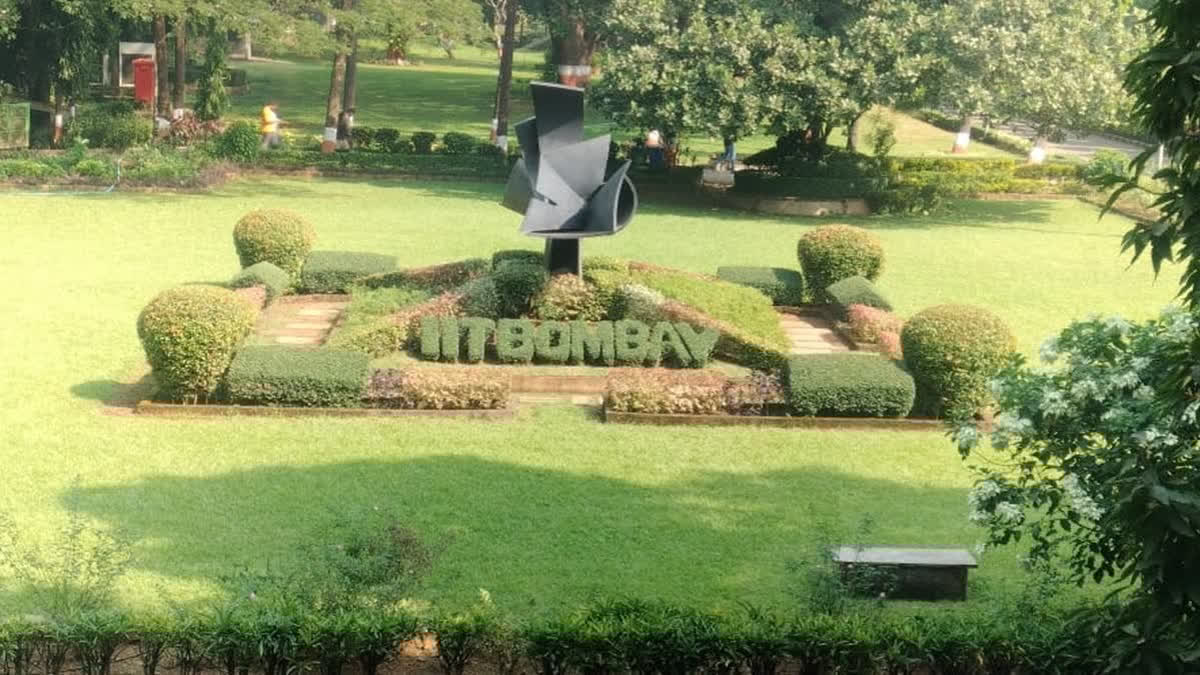
On December 10, 2025, the Indian Institute of Technology (IIT) Bombay announced the launch of its first Artificial Intelligence (AI) company, the BharatGen Technology Foundation. This initiative aims to create an AI infrastructure that caters specifically to the linguistic needs of India, transcending the limitations of existing technologies that predominantly operate in English.
Objective of BharatGen
BharatGen is designed to develop a large language model (LLM) capable of functioning in at least 22 Indian languages. According to a press release from IIT Bombay, the model will support major languages such as:
- Marathi
- Hindi
- Tamil
- Bengali
- Telugu
- Punjabi
- Kannada
- Gujarati
In addition to these, the project plans to incorporate languages like Konkani, various tribal dialects, and regional dialects from Vidarbha in the future. The AI will be capable of understanding text, voice, documents, and even scanned documents.
Significance of the Initiative
By 2026, BharatGen aims to provide comprehensive support for all 22 languages. This initiative is expected to empower startups, industries, researchers, and state governments to develop their own AI bots and services. Professor Ganesh Ramakrishnan, the Founder Director of the BharatGen Technology Foundation and a professor at IIT Bombay, emphasized that this project will significantly reduce India’s reliance on foreign AI technologies.
Addressing Language Barriers
Many individuals in India face challenges in using AI services due to the predominance of English in global AI offerings. BharatGen aims to overcome these barriers through four primary goals:
- Develop a self-sufficient, domestic AI tailored for India.
- Bring Marathi and other regional languages onto digital platforms.
- Provide students and companies access to open-source AI technologies.
- Create extensive linguistic data for research and development.
Collaboration and Support
Leading institutions such as IIT Madras, IIT Kanpur, and IIT Hyderabad are collaborating with IIT Bombay to implement this initiative. BharatGen is positioned as a national-level multilingual AI software project, making it a significant step towards fostering technological independence in India.
Open Source Accessibility
Many of BharatGen’s models will be available in open-source format, encouraging experimentation and innovation, particularly among students and researchers. This accessibility will also allow startups to develop their own applications, further expanding the reach and utility of AI in regional languages.
Applications of BharatGen
The AI services developed through BharatGen will be particularly useful for government departments, reducing dependence on costly foreign software solutions. Professor Ramakrishnan noted that BharatGen represents the largest government multimodal AI initiative in India, integral to the Government of India’s AI Mission. This initiative is expected to enhance the daily use of technology across various sectors, including:
- Banking
- Healthcare
- Government services
Additionally, BharatGen will facilitate immediate document translation and provide farmers with timely advice and information regarding crops, weather, and fertilizers in their native languages. There will also be voice-activated support systems tailored for senior citizens, ensuring inclusivity in technological advancements.
Financial Backing
BharatGen is set to receive substantial financial support from the Indian government, amounting to Rs 1,250 crore. The Department of Science and Technology has allocated Rs 235 crore, while the Ministry of IT and Electronics has committed Rs 1,058 crore to this transformative project.
Conclusion
The establishment of BharatGen marks a significant milestone in India’s journey towards technological self-reliance, particularly in the realm of AI. By focusing on the linguistic diversity of the nation, BharatGen not only aims to enhance accessibility to technology but also fosters an environment of innovation and growth across various sectors.
Note: The information presented in this article is based on the latest updates from IIT Bombay and reflects the current status of the BharatGen initiative as of December 2025.