Hydrogen from Waste: IIT Roorkee Technology Set for Industrial Use
The Indian Institute of Technology (IIT) Roorkee has made significant strides in the field of clean energy by transferring a groundbreaking waste-to-energy technology to Infinate Integrated Energy Technologies LLP. This innovative technology is designed to convert organic liquid waste into hydrogen-rich gas, providing an effective solution for both waste management and clean energy production.
Overview of the Technology
The technology, developed by Professor Narapureddy Siva Mohan Reddy and his team at IIT Roorkee, employs a continuous catalytic hydrothermal gasification process. This method is pivotal in transforming organic liquid waste into hydrogen-rich gas, which can be utilized as a clean energy source. The scalability of the system makes it particularly attractive for various industries that generate organic effluents.
Significance of the Technology Transfer
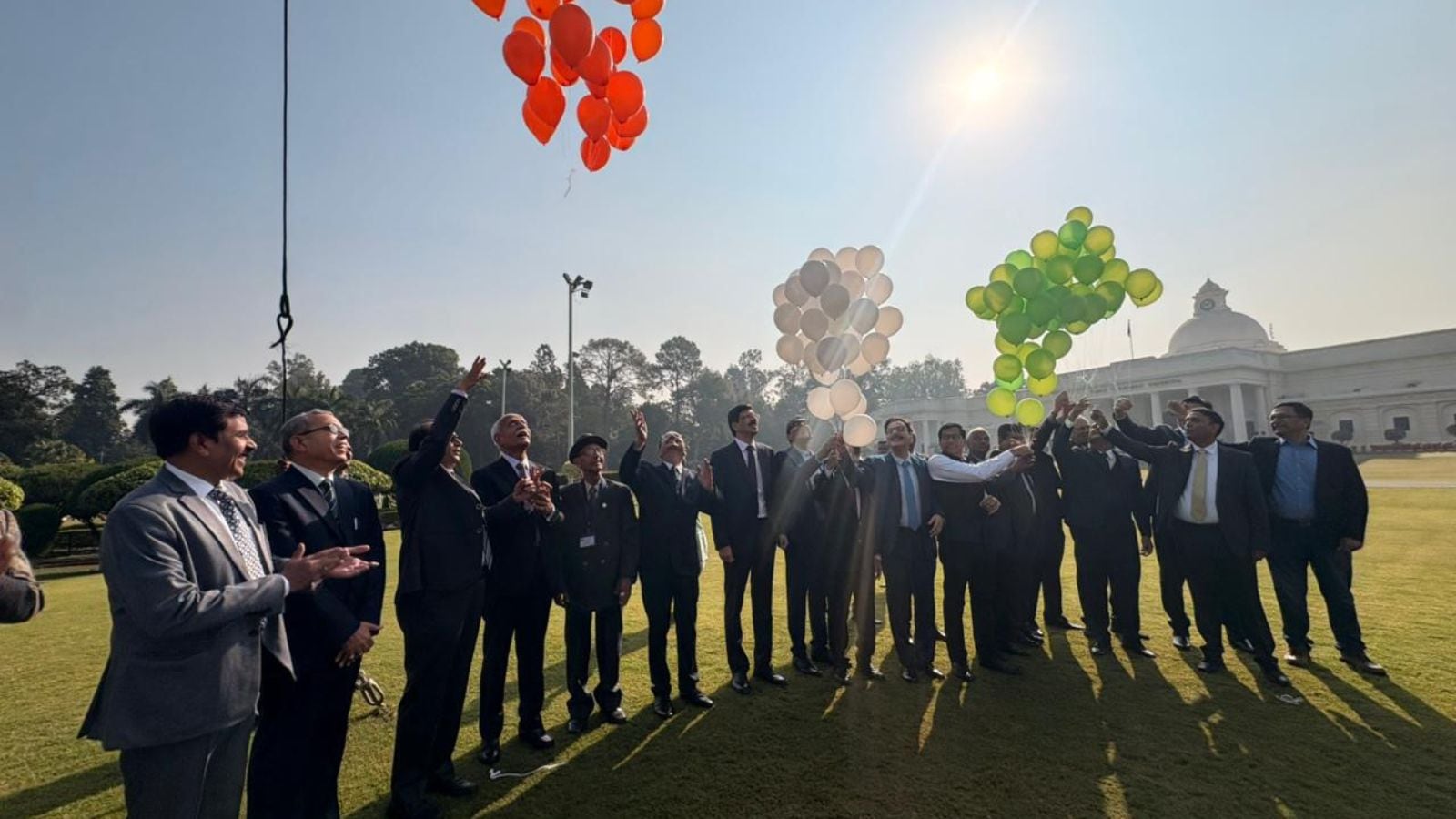
The transfer of this technology to Infinate Integrated Energy Technologies LLP marks a significant step in bridging the gap between academic research and industrial application. This collaboration is not only a testament to the innovative capabilities of IIT Roorkee but also highlights the importance of sustainable practices in industrial operations.
Benefits of the Technology
- Waste Management: The technology offers a sustainable solution for managing organic liquid waste, converting it from an environmental burden into a valuable resource.
- Hydrogen Production: By generating hydrogen fuel, industries can reduce their reliance on fossil fuels and contribute to cleaner energy production.
- Carbon Emission Reduction: The process supports India’s efforts to lower carbon emissions and transition towards a renewable energy future.
- Circular Economy: This technology aligns with the principles of a circular economy, promoting resource recovery and sustainable practices.
Industrial Applications
Industries that deal with organic liquid waste, such as food processing, pharmaceuticals, and agriculture, can greatly benefit from this technology. By implementing this waste-to-hydrogen process, these sectors can not only manage their waste more effectively but also generate a clean energy source that can power their operations.
Collaboration with Infinate Integrated Energy Technologies LLP
Infinate Integrated Energy Technologies LLP is committed to advancing sustainable energy systems through research-driven innovations. The company plans to deploy this technology in commercial settings, aiming to facilitate a transition towards a hydrogen-based economy in India.
Ramchandra Raju Dantuluri, CEO of Infinate Integrated Energy Technologies, expressed enthusiasm about the collaboration, stating, “We are excited to collaborate with IIT Roorkee on this transformative waste-to-hydrogen technology. We aim to take this innovation from the laboratory to industry, helping India move closer to a hydrogen-based economy.”
Support from IIT Roorkee
The leadership at IIT Roorkee is equally optimistic about the potential impact of this technology. Professor K. K. Pant, the Director of IIT Roorkee, emphasized the institute’s commitment to advancing technologies that create real-world impacts. He stated, “At IIT Roorkee, we believe in advancing technologies that create real-world impact. This waste-to-hydrogen innovation exemplifies how our research contributes to solving critical challenges in clean energy and waste management.”
Future Prospects
As India continues to strive for a more sustainable future, the integration of innovative technologies like the waste-to-hydrogen process is crucial. This collaboration between IIT Roorkee and Infinate Integrated Energy Technologies LLP is expected to pave the way for cleaner industrial practices and more efficient waste-to-energy technologies.
Conclusion
The development and industrial application of IIT Roorkee’s waste-to-hydrogen technology represent a significant advancement in both waste management and clean energy production. By converting organic liquid waste into a valuable energy source, this initiative not only addresses environmental concerns but also supports India’s broader goals of sustainability and renewable energy adoption.
Note: The information provided in this article is based on the latest developments as of December 3, 2025, and reflects the ongoing efforts in the field of clean energy and waste management.