
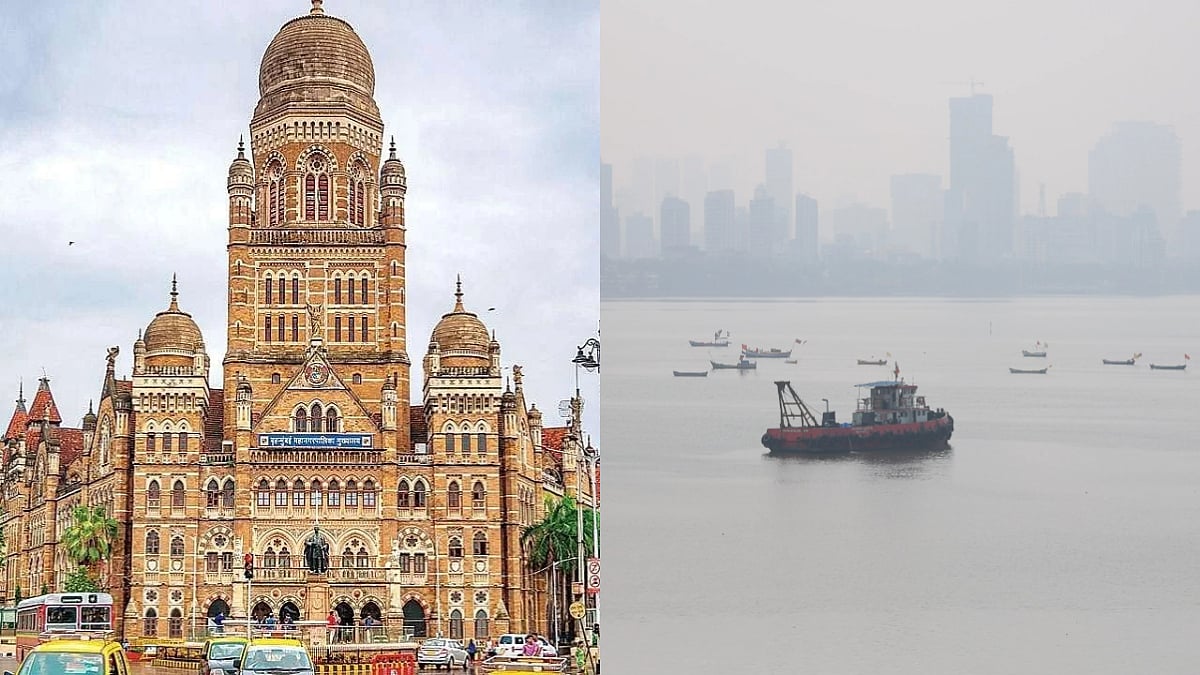
Mumbai Air Pollution: BMC And IIT Kanpur To Launch MANAS AQI Monitoring Platform By Mid-2026
The Brihanmumbai Municipal Corporation (BMC), in collaboration with the Indian Institute of Technology (IIT) Kanpur, is set to launch a dedicated Air Quality Index (AQI) monitoring platform for Mumbai. This initiative, named the Mumbai Air Network for Advanced Sciences (MANAS), aims to provide real-time, data-driven insights into the city’s air quality and is expected to be operational by mid-2026.
Background on Air Quality in Mumbai
Mumbai, one of India’s largest metropolitan areas, has been grappling with air pollution for several years. The city’s air quality has consistently been poor, with various parts of Mumbai recording high levels of pollutants. The need for a more robust monitoring system has become increasingly urgent as residents face health risks associated with poor air quality.
Current Monitoring Network
Currently, Mumbai has 28 Continuous Ambient Air Quality Monitoring Stations (CAAQMS) that are linked to the Central Pollution Control Board (CPCB) dashboard. These stations provide real-time AQI data for areas within a 2 km radius. However, the existing network has limitations in terms of coverage and granularity of data.
Introduction of MANAS
The MANAS platform is designed to address these limitations by featuring 75 AQI sensors that will provide hyperlocal, real-time air quality data across Mumbai. This expansion of the monitoring network is expected to enhance the understanding of air quality variations within the city.
Operational Timeline
The BMC plans to have the MANAS system operational within six months, with full public access anticipated by the second half of 2026. Initially, the BMC will analyze data from the new sensors and compare it with the existing CAAQMS data to identify any discrepancies and potential issues.
Public Access and AI-Driven Insights
Once the initial analysis is complete, the online platform will be opened for public access. The first step will involve creating a grid of Mumbai’s airshed, which is the geographic area influenced by the same sources of air pollution. Following this, the 75 sensors will be deployed in areas that require focused monitoring.
Innovative Use of AI
A significant aspect of the MANAS platform is its incorporation of artificial intelligence (AI). For the first time, an AI model will be utilized to identify pollution sources and their patterns, as well as to suggest measures to mitigate them. This innovative approach is expected to provide more accurate insights into the factors contributing to air pollution in Mumbai.
Cost-Effectiveness and Maintenance
The sensors used in the MANAS platform are designed to be cost-effective and easy to deploy and maintain. This will allow for a more extensive and sustainable monitoring network that can adapt to the changing needs of the city.
Recent Air Quality Data
As of December 2, 2025, Mumbai recorded an AQI of 125, which is categorized as ‘moderate’. This data underscores the ongoing challenges the city faces regarding air quality and highlights the importance of the upcoming MANAS platform.
Conclusion
The launch of the MANAS AQI monitoring platform represents a significant step forward in Mumbai’s efforts to combat air pollution. By leveraging advanced technology and expanding the monitoring network, the BMC and IIT Kanpur aim to provide residents with the tools they need to understand and address air quality issues in their environment.
Note: The information contained in this article is based on data available as of October 2023 and may be subject to change as the project progresses.


