IIT Madras Deploys India’s First Indigenous Vessel Traffic Management System for Ports
In a significant advancement for India’s maritime sector, researchers at the Indian Institute of Technology Madras (IIT Madras) have successfully developed and deployed the country’s first Indigenous Vessel Traffic Management System (VTMS) for ports. This groundbreaking initiative is set to revolutionize the way maritime traffic is managed in India.
Overview of the Indigenous VTMS
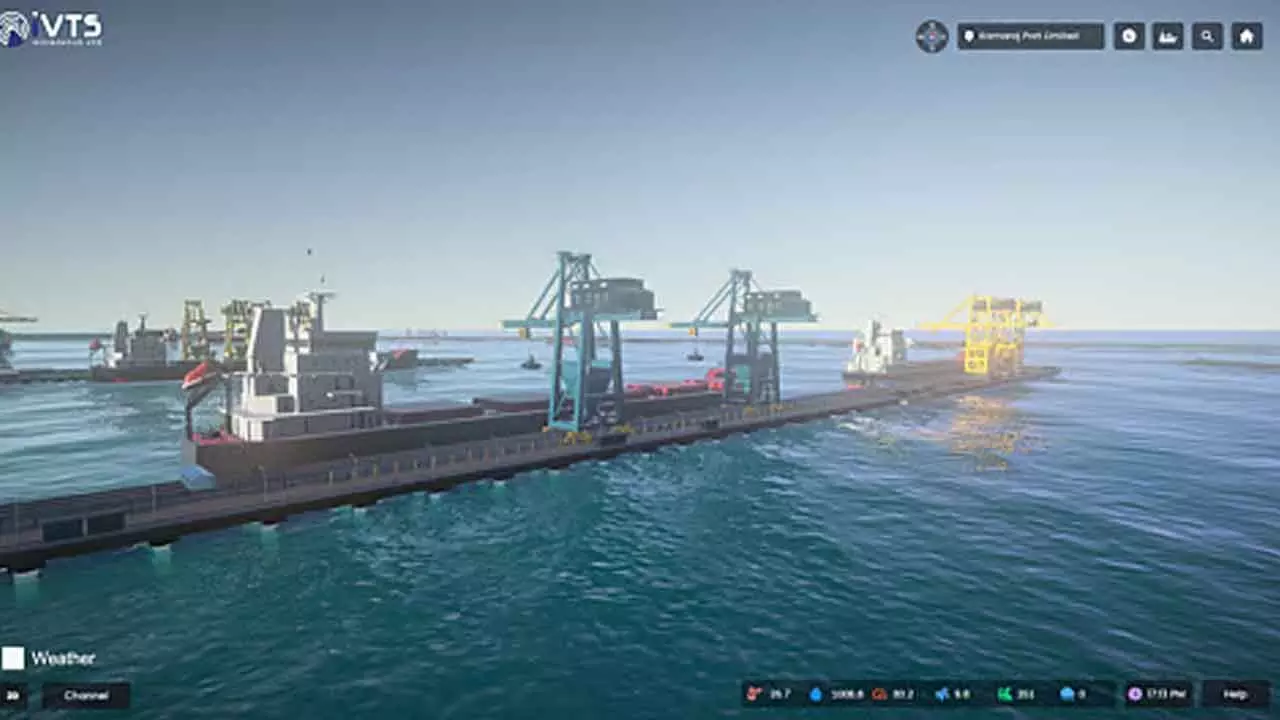
The Indigenous Vessel Traffic Management System has been designed and implemented by the National Technology Centre for Ports, Waterways and Coasts (NTCPWC), based on the specific requirements outlined by the Ministry of Ports, Shipping and Waterways (MoSPW), Government of India. This system provides the Indian government with complete strategic control over the source code, databases, and all aspects of the solution, effectively eliminating risks associated with leaks of strategically important data related to vessel movements.
Significance of the Deployment
The deployment of the indigenous VTMS marks a significant step towards the indigenization of technology in the maritime sector. It reduces India’s dependency on imported systems and foreign vendors, thereby enhancing national security and operational independence. The system has already been successfully deployed at the Vizhinjam International Seaport Limited (VISL) in Kerala, which was inaugurated by Prime Minister Narendra Modi on May 2, 2025.
Future Prospects
Discussions are currently underway to extend the deployment of the VTMS to two other ports on India’s western coast, indicating the system’s potential for wider application across the nation. The scalable design of the VTMS allows for enhancements to meet evolving stakeholder requirements and to incorporate global best practices.
Expert Insights
Prof. K Murali, Head of NTCPWC at IIT Madras, emphasized the importance of the indigenous system, stating, “An indigenous system eliminates the risk of a leak of strategically important data on vessel movement. It also enables fast-tracking of innovations to provide appropriate solutions to various challenges while reducing operational and financial risks associated with private vendors.”
Key Features of the VTMS
- Cost-Effective: The system is designed to be economically viable, ensuring that resources are utilized efficiently.
- Secure: By retaining full technical know-how within the country, the VTMS enhances maritime security.
- Easy to Maintain: The system’s design allows for straightforward maintenance, reducing downtime and operational disruptions.
- Skill Development: The deployment of the VTMS creates a pool of skilled manpower equipped with advanced theoretical and practical knowledge in maritime technology.
Strategic Implications
This innovation by IIT Madras is a major boost to India’s strategic capabilities in the maritime domain. By developing indigenous technology, India positions itself as a leader in maritime technology, paving the way for future advancements and innovations in the sector. The VTMS not only enhances operational efficiency but also contributes to the overall security of maritime operations in the country.
Conclusion
The deployment of the Indigenous Vessel Traffic Management System by IIT Madras is a landmark achievement for India’s maritime sector. It represents a crucial step towards self-reliance in technology and enhances the nation’s capabilities in managing maritime traffic effectively. As discussions for further deployments continue, the VTMS stands as a testament to India’s commitment to innovation and security in the maritime domain.
Note: The information provided in this article is based on the latest developments as of November 2025.