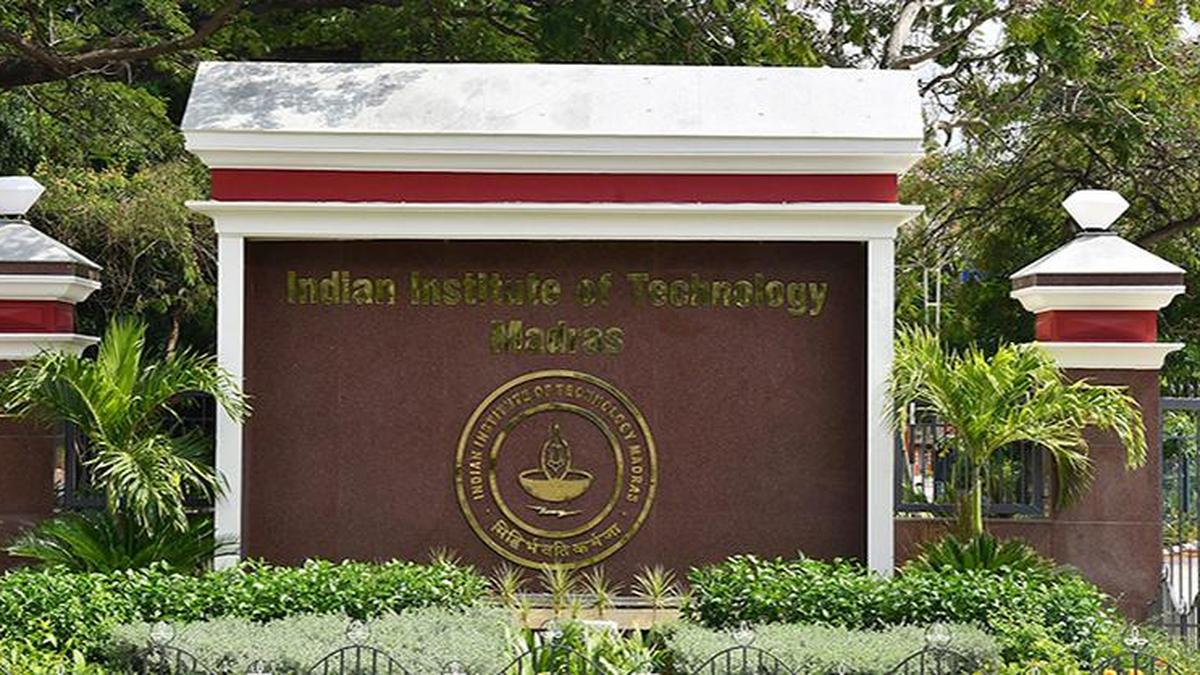
IIT Madras Develops Nation’s First Indigenous Vessel Traffic Management System for Ports
The Indian Institute of Technology (IIT) Madras has made a significant advancement in the maritime sector by developing and deploying the nation’s first indigenous vessel traffic management system (VTMS) for ports. This innovative system has been created by the National Technology Centre for Ports, Waterways and Coasts (NTCPWC) at IIT Madras, based on the specific requirements outlined by the Ministry of Ports, Shipping and Waterways.
Objectives and Benefits of the Indigenous VTMS
According to K Murali, the Head of NTCPWC, this indigenous system aims to enhance the indigenization of technology and expertise within the Indian maritime sector. It is designed to reduce the country’s dependency on imported solutions, which can often be costly and less secure.
Key Advantages of the Indigenous System
- Strategic Control: The government maintains full control over the source code, databases, and various aspects of the solution, eliminating the risk of data leaks related to vessel movements.
- Scalability: The system can be easily scaled up and enhanced to meet the evolving requirements of stakeholders, allowing for the incorporation of global best practices.
- Cost-Effectiveness: With minimal deployment and maintenance costs, the indigenous VTMS offers a financially viable solution compared to foreign alternatives.
- Security: The system is designed to be completely secure, reducing operational and financial risks associated with reliance on private vendors.
- Innovation Facilitation: The indigenous system allows for faster tracking of innovations, enabling the development of appropriate solutions to various challenges faced by the maritime industry.
- Reduction of Vendor Lock-In: By utilizing an indigenous solution, the risk of lock-in with private vendors is minimized, fostering a more competitive environment.
Implementation and Future Prospects
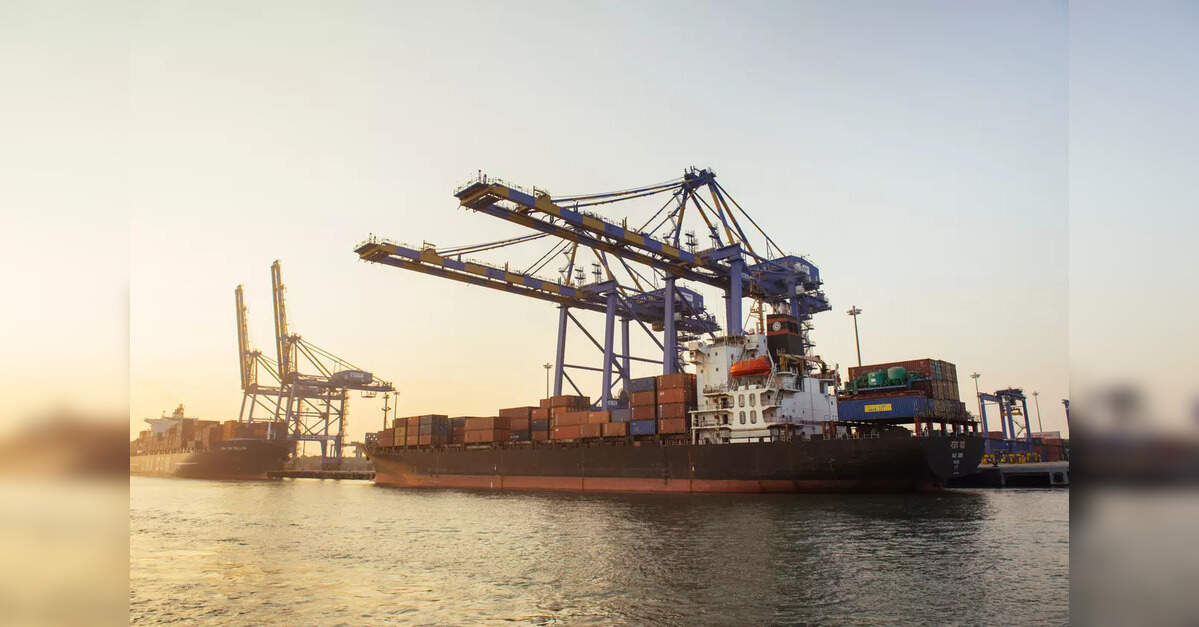
The indigenous vessel traffic management system has already been implemented at the Vizhinjam International Seaport Limited (VISL) in Kerala, which was inaugurated by Prime Minister Narendra Modi in May. This successful implementation serves as a model for future deployments across other ports in India.
Expansion Plans
Discussions are currently underway with two additional ports on the Western Coast of India to deploy the VTMS. This expansion signifies the growing confidence in the indigenous system and its potential to revolutionize port management in the country.
Training and Development of Competent Manpower
With the technical know-how readily available through this indigenous system, there is a unique opportunity for India to cultivate a pool of competent manpower. This workforce will be equipped with state-of-the-art theoretical and practical knowledge, which is essential for maintaining and advancing the maritime sector.
Educational Initiatives
IIT Madras is committed to fostering educational initiatives that will support the development of skilled professionals in the maritime industry. This includes training programs, workshops, and partnerships with industry stakeholders to ensure that the workforce is well-prepared to meet the challenges of modern port management.
Conclusion
The development of India’s first indigenous vessel traffic management system by IIT Madras represents a significant milestone in the country’s maritime sector. By reducing dependency on foreign solutions and enhancing local capabilities, this initiative not only strengthens national security but also promotes economic growth through the creation of skilled jobs and the advancement of technology. As more ports consider implementing this system, the future of India’s maritime infrastructure looks promising.
Note: The information provided in this article is based on the latest developments as of November 26, 2025.