ILS and IIT-Bhubaneswar Collaborate on New Tuberculosis Vaccine
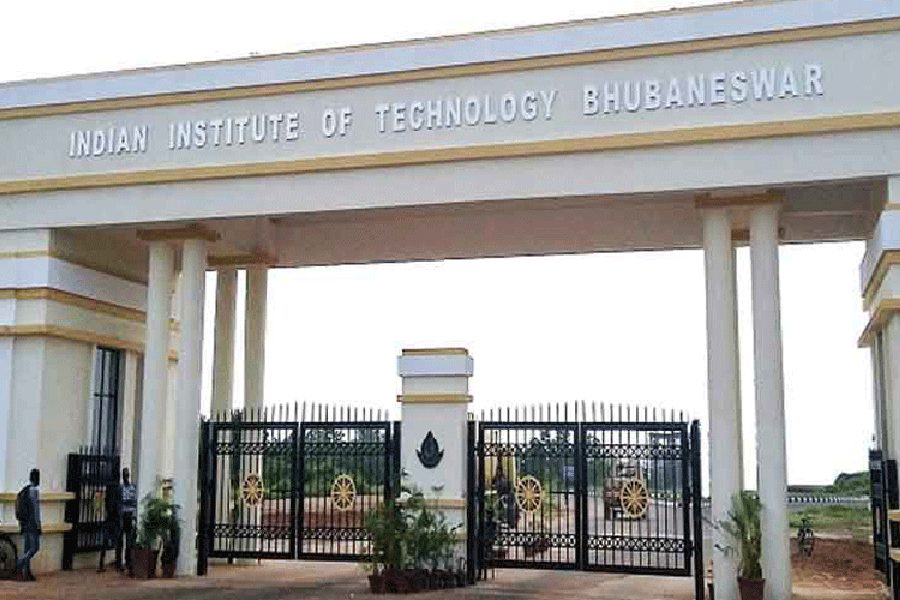
In a significant advancement in the fight against tuberculosis (TB), the Institute of Life Sciences (ILS) in Bhubaneswar has developed a next-generation subunit vaccine named ‘Hsp16.3C4’. This innovative vaccine was created in collaboration with the Indian Institute of Technology (IIT) Bhubaneswar and is now ready for technology transfer following successful pre-clinical trials.
The Urgent Need for a New Vaccine
TB remains one of the deadliest infectious diseases worldwide, with over 1.2 million lives lost in the previous year alone. The current vaccine, Bacillus Calmette Guérin (BCG), is the only licensed immunization strategy available for TB prevention globally. However, while BCG provides some protection to infants, it has significant limitations:
- Limited efficacy in preventing TB in adolescents and adults.
- Variable protective outcomes across different populations.
- Lack of durable memory responses, which are crucial for long-term immunity.
- Inability to prevent pulmonary TB, the most infectious form of the disease.
Given these shortcomings, there has been a longstanding focus on developing a more effective vaccine that can provide protection across all age groups.
Development of Hsp16.3C4 Vaccine
The collaborative research led by Dr. Sunil Kumar Raghav from ILS and Prof. Ashis Biswas from IIT-Bhubaneswar has resulted in the creation of the HSP subunit vaccine, which is notable for being the first vaccine against TB developed in India. The pre-clinical trials conducted on mice models yielded promising results, showing no toxicity signals. Normal biochemical parameters such as:
- Blood glucose levels
- Renal functional markers (urea and creatinine)
- Lipid profile components (cholesterol and triglycerides)
were recorded post-vaccination, indicating a favorable safety profile for the new vaccine.
Unique Mechanism of Action
One of the most intriguing aspects of the Hsp16.3C4 vaccine is that it is not derived from the BCG strain. Instead, it contains a uniquely specific Mycobacterium tuberculosis (Mtb) antigen, which does not interfere with the biology of the BCG vaccine. This specificity allows for a targeted immune response that could enhance the effectiveness of TB prevention strategies.
Promising Efficacy Results
Recent studies have highlighted the vaccine’s ability to confer strong cellular and humoral immunity against pulmonary tuberculosis. The findings suggest that Hsp16.3C4 could be used not only as a standalone immunization but also as a booster or in a co-administration strategy alongside the BCG vaccine. This dual approach may enhance immunity in various populations, including infants, adolescents, and adults.
Future Implications
The development of the Hsp16.3C4 vaccine represents a crucial step toward addressing the global TB epidemic. By bridging the gap in effective immunization strategies, this new vaccine could significantly reduce the incidence of TB and save countless lives. Furthermore, the collaboration between ILS and IIT-Bhubaneswar exemplifies the potential of interdisciplinary research in tackling complex health challenges.
Conclusion
As the world continues to grapple with the impact of tuberculosis, the introduction of the Hsp16.3C4 vaccine offers hope for a more effective solution. With ongoing research and development, this vaccine could play a pivotal role in the future of TB prevention and control.
Note: The information provided in this article is based on research and developments as of November 2025.