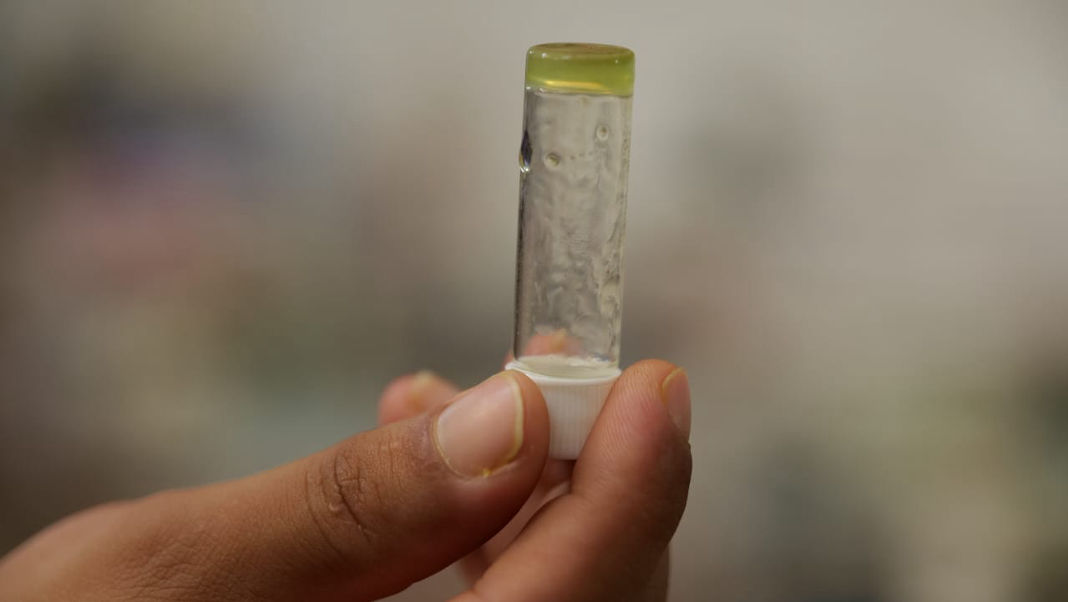
IIT Guwahati Develops Low-cost Arsenic Removal System For Groundwater
Groundwater contamination is a significant environmental issue affecting millions of people worldwide. Among various contaminants, arsenic is one of the most dangerous due to its toxic properties and its prevalence in groundwater sources, particularly in certain regions of India. The Indian Institute of Technology (IIT) Guwahati has made a remarkable advancement in addressing this issue by developing an innovative and cost-effective arsenic removal system.
Understanding Arsenic Contamination
Arsenic is a naturally occurring element found in the earth’s crust. It can leach into groundwater through natural processes and human activities, including mining and the use of arsenic-containing pesticides. Long-term exposure to arsenic can lead to severe health issues, including skin lesions, cancer, and developmental effects in children.
The Need for Effective Treatment Solutions
In India, particularly in states like West Bengal, Assam, and Uttar Pradesh, arsenic contamination in groundwater has become a public health crisis. Traditional methods of arsenic removal, such as reverse osmosis and coagulation, can be expensive and not feasible for rural communities. Thus, there is an urgent need for affordable and sustainable solutions to ensure safe drinking water.
Innovative Approach by IIT Guwahati
The research team at IIT Guwahati has developed a low-cost arsenic removal system that utilizes a novel approach to effectively eliminate arsenic from groundwater. This system is designed with the following key features:
- Cost-Effectiveness: The materials used in the system are locally sourced and inexpensive, making it accessible for rural communities.
- Efficiency: The system is capable of removing arsenic levels significantly below the permissible limit set by the World Health Organization (WHO).
- Simplicity: The design of the system allows for easy installation and maintenance, ensuring that communities can operate it without requiring extensive technical knowledge.
Technical Details of the Arsenic Removal System
The IIT Guwahati team has employed a combination of adsorption and filtration techniques to develop this system. The primary components include:
- Adsorbent Material: The system uses a specially designed adsorbent that has a high affinity for arsenic ions. This material is derived from natural sources, ensuring low production costs.
- Filtration Unit: The filtration unit is designed to facilitate the easy passage of water while retaining the adsorbed arsenic particles.
- Modular Design: The system can be scaled according to the specific needs of a community, allowing for flexibility in usage.
Field Testing and Results
To validate the effectiveness of the developed system, field tests were conducted in various arsenic-affected regions. The results were promising:
- Reduction of arsenic concentration to levels below 0.01 mg/L, which is well within the WHO recommended limits.
- Positive feedback from local communities regarding the taste and quality of the treated water.
- Demonstrated ease of use, with minimal training required for local operators.
Impact on Communities
The introduction of this low-cost arsenic removal system has the potential to transform the lives of many individuals living in arsenic-affected areas. Some anticipated impacts include:
- Improved Health: Access to safe drinking water can significantly reduce the incidence of arsenic-related health issues.
- Economic Benefits: Healthier communities can lead to increased productivity and reduced healthcare costs.
- Empowerment: Communities can take charge of their water quality, fostering a sense of ownership and responsibility.
Future Prospects
The IIT Guwahati team is optimistic about the future of their arsenic removal system. Plans are underway to:
- Expand the reach of the technology to more affected regions across India.
- Collaborate with governmental and non-governmental organizations to facilitate the implementation of the system.
- Conduct further research to enhance the efficiency and sustainability of the system.
Conclusion
The development of a low-cost arsenic removal system by IIT Guwahati represents a significant step forward in addressing groundwater contamination in India. By providing an affordable and effective solution, this initiative has the potential to improve public health and enhance the quality of life for countless individuals. As the project progresses, it is hoped that more communities will gain access to safe drinking water, paving the way for a healthier future.
Note: The information in this article is based on research and developments reported up to October 2023. For the latest updates, please refer to official sources and publications.